Countries
Countries where the hub's projects take place, grouped by region.
Dots mark each country's approximate centre, not its borders.
 Photo: Location context · Dietmar Rabich · CC BY-SA 4.0 · 2019 · Resized; display crop
Australia
Australia's climate framework rests on two Commonwealth Acts: the Climate Change Act 2022, which codifies the country's emissions targets, requires annual ministerial…
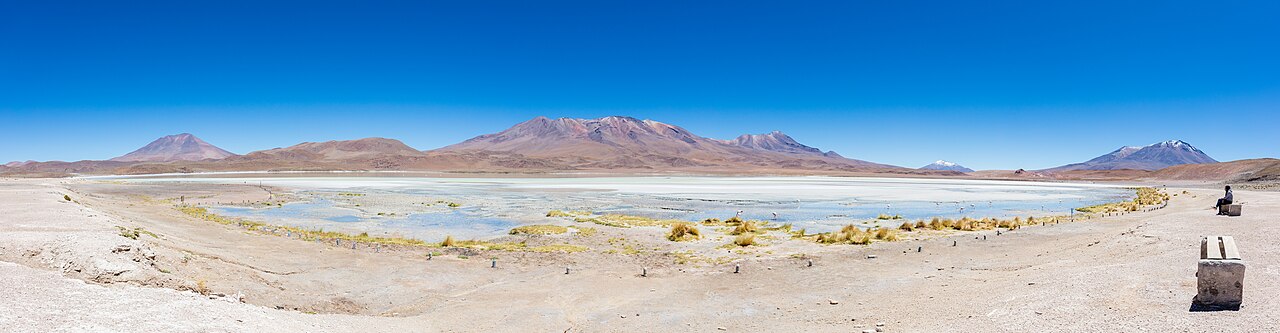 Photo: Location context · Diego Delso · CC BY-SA 4.0 · 2016 · Resized; display crop
Bolivia
Bolivia's carbon-market position changed mid-decade, and both positions are set out here rather than one being chosen.
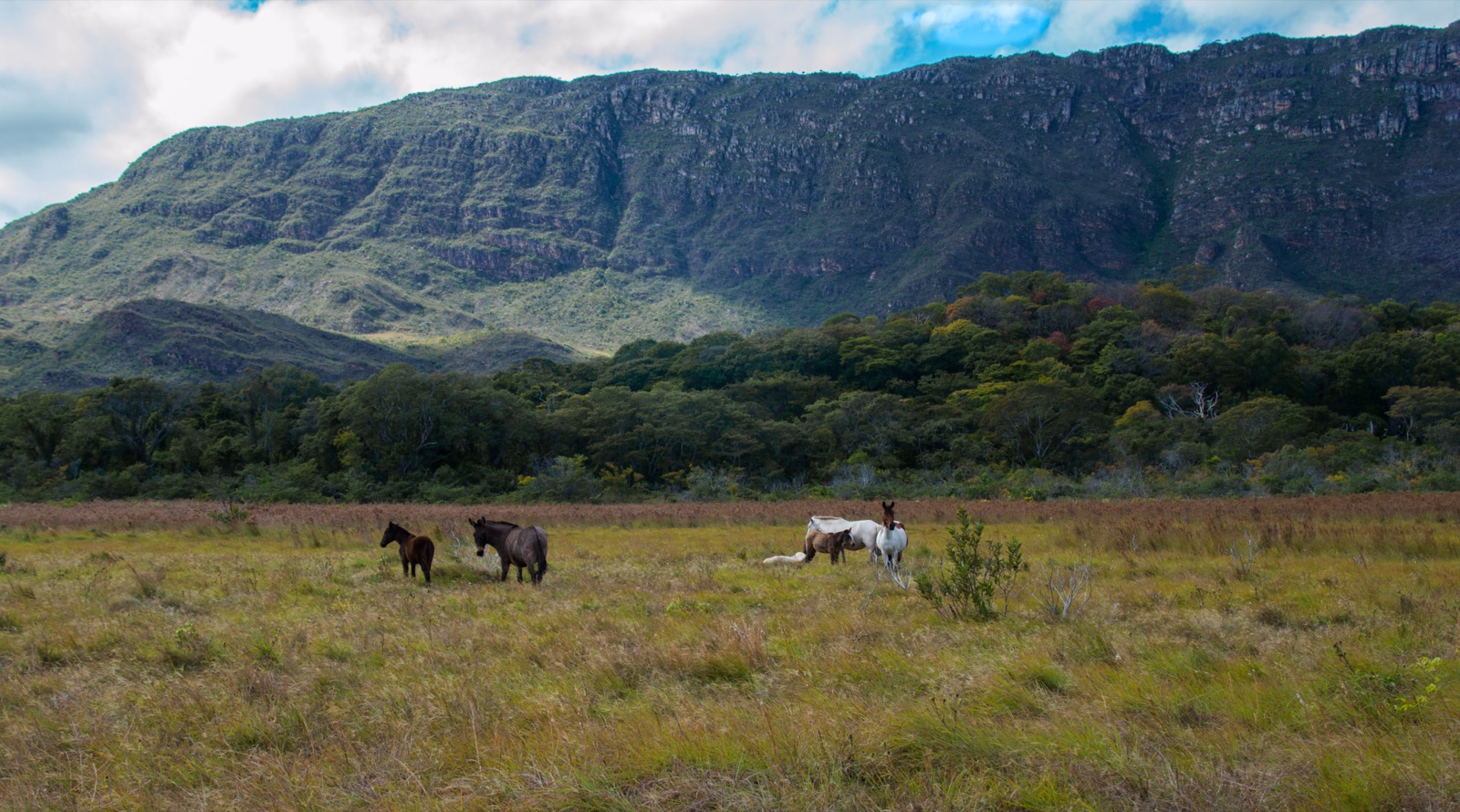 Photo: Wikimedia Commons (Campos abertos do Cerrado)
Brazil
Brazil's foundational climate statute, the Política Nacional sobre Mudança do Clima (Lei nº 12.187/2009), commits the country to reducing anthropogenic emissions and…
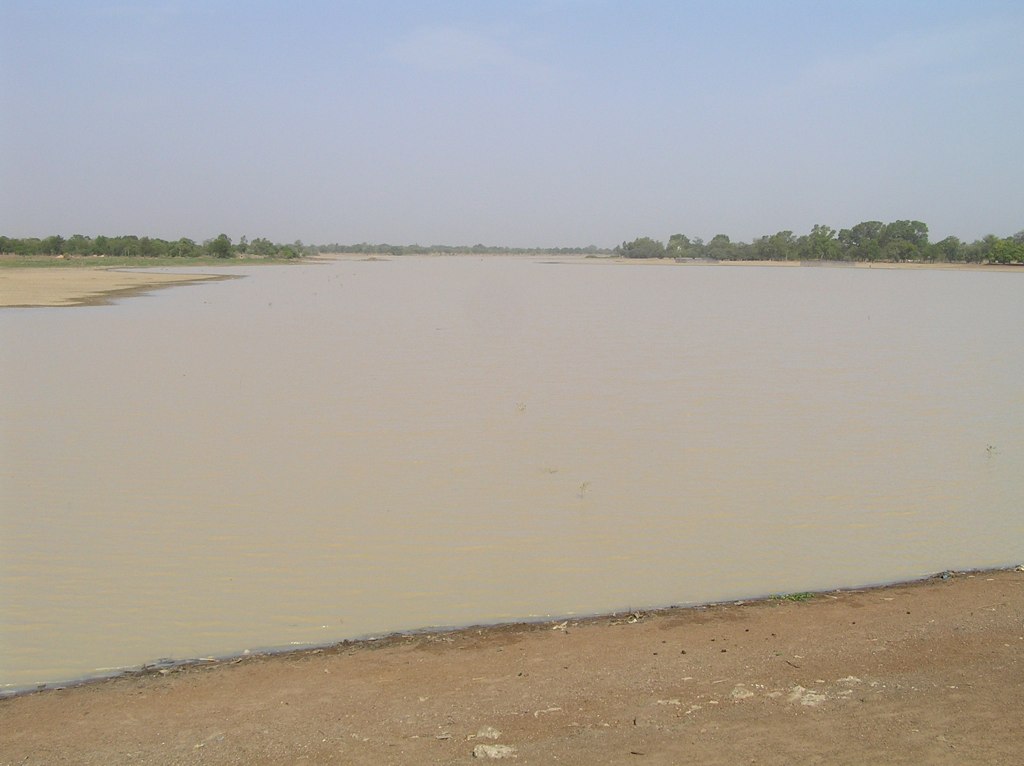 Photo: Location context · Jeff Attaway from Dakar, Senegal · CC BY 2.0 · 2009 · Resized; display crop
Burkina Faso
Burkina Faso has no dedicated climate-change act.
 Photo: Andyb3947, CC BY-SA 4.0, via Wikimedia Commons
Cambodia
Cambodia consolidated its entire environmental and climate legal base into one 865-article, twelve-book Code of Environment and Natural Resources, adopted on 13 June…
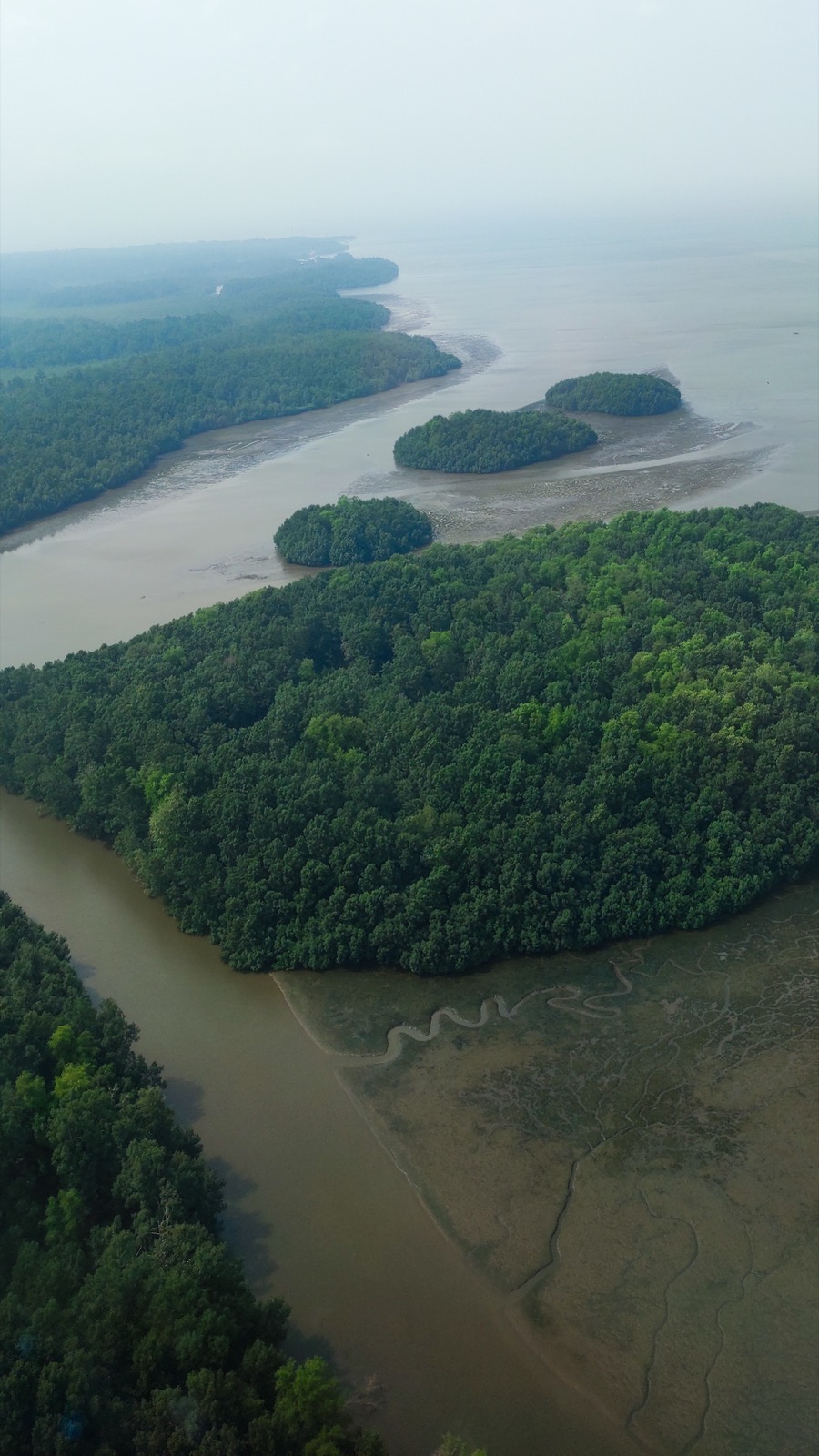 Photo: Eric Joel MAMA NKE, CC BY-SA 4.0 via Wikimedia Commons
Cameroon
Cameroon has no binding national climate-change law; its general Loi cadre relative à la gestion de l'environnement (1996) and a 2019 decentralisation framework law leave…
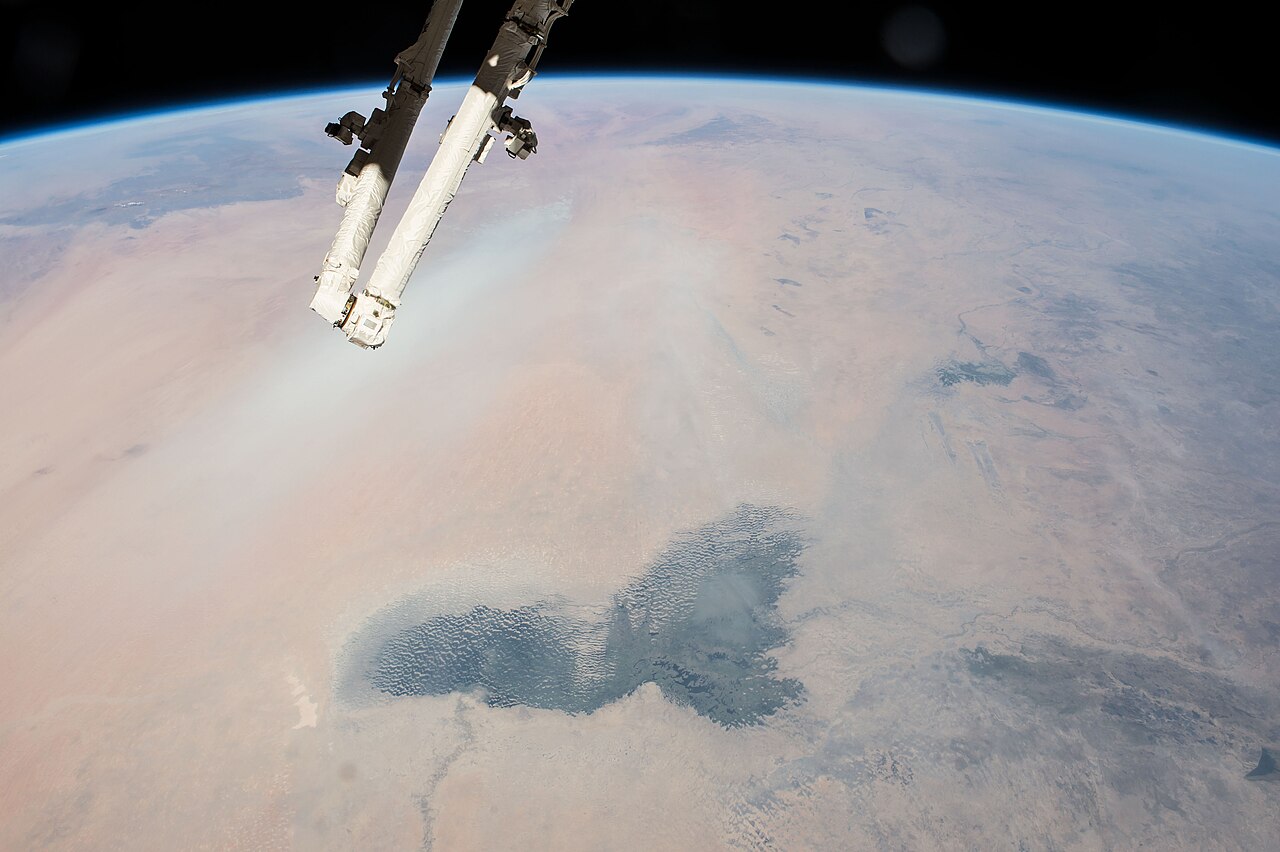 Photo: Location context · NASA · Public domain · 2015 · Resized; display crop
Chad
 Photo: Location context · William L. Farr · CC BY-SA 4.0 · 2016 · Resized; display crop
China
China's Ecological and Environmental Code was adopted by the National People's Congress on 12 March 2026 and came into force on 15 August 2026.
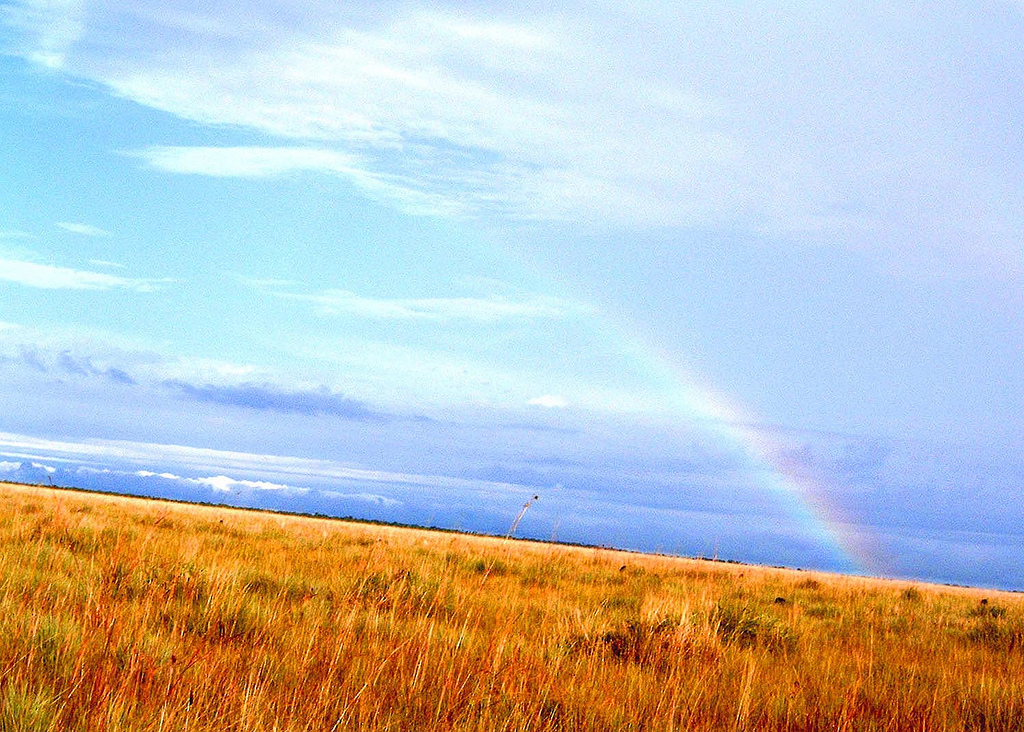 Photo: ednamortegui, CC BY-SA 2.0, via Wikimedia Commons
Colombia
Colombia's climate architecture runs through two framework statutes: Ley 1931 de 2018, which sets guiding directives, including self-management, coordination…
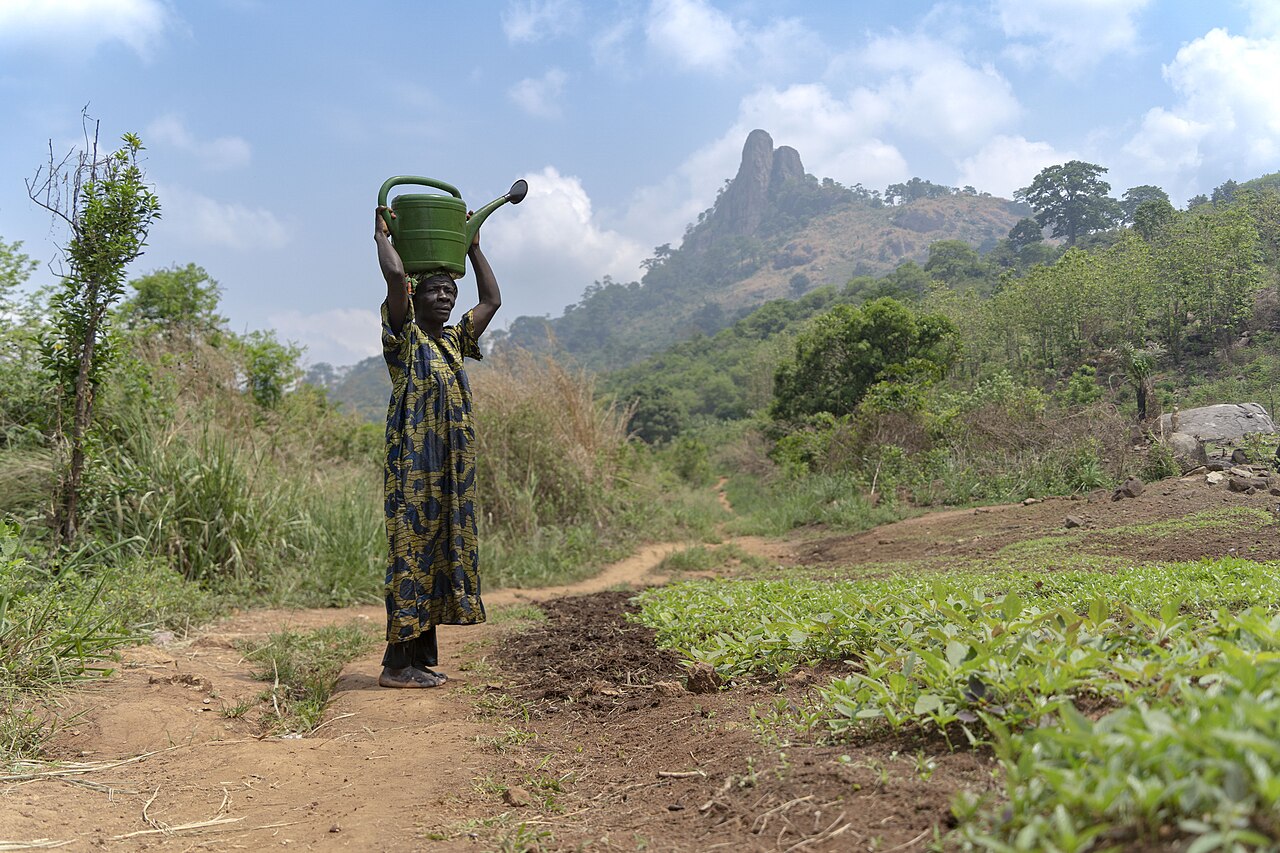 Photo: Location context · FBilula · CC BY-SA 4.0 · 2024 · Resized; display crop
Côte d'Ivoire
Côte d'Ivoire's carbon-market regime moved faster than its framework climate law.
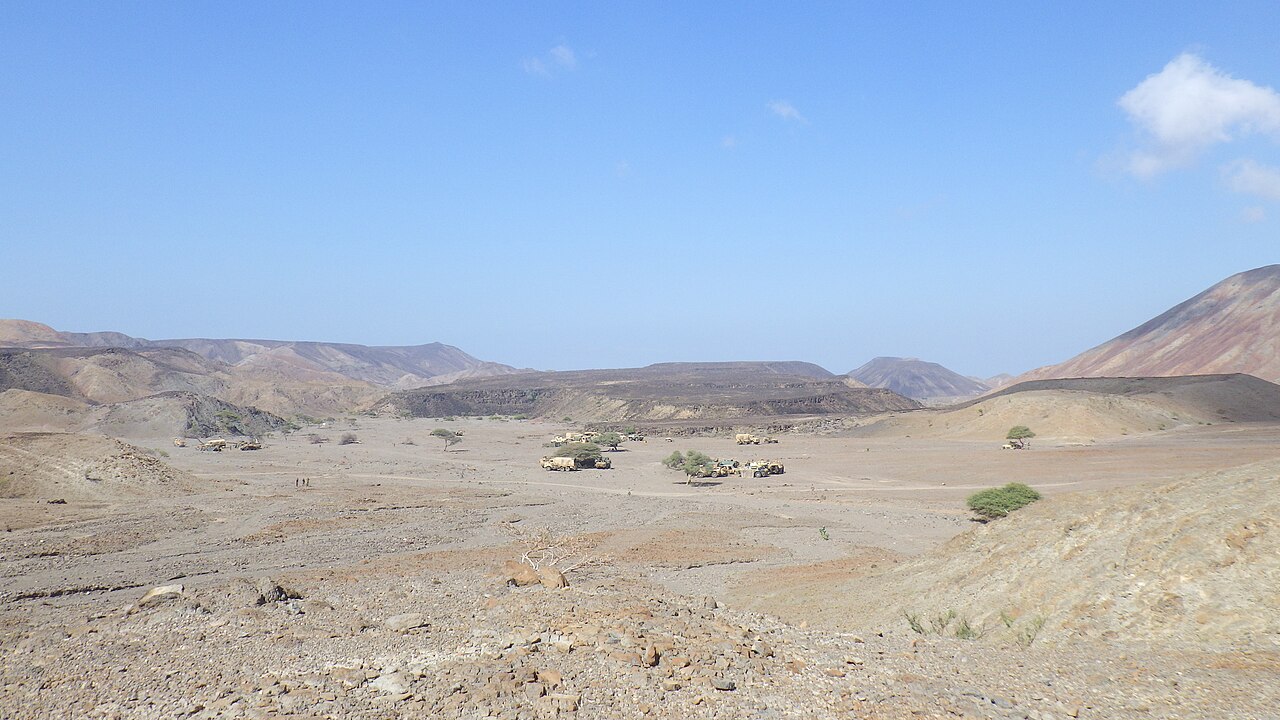 Photo: Location context · Clovis conchou · CC BY-SA 4.0 · 2018 · Resized; display crop
Djibouti
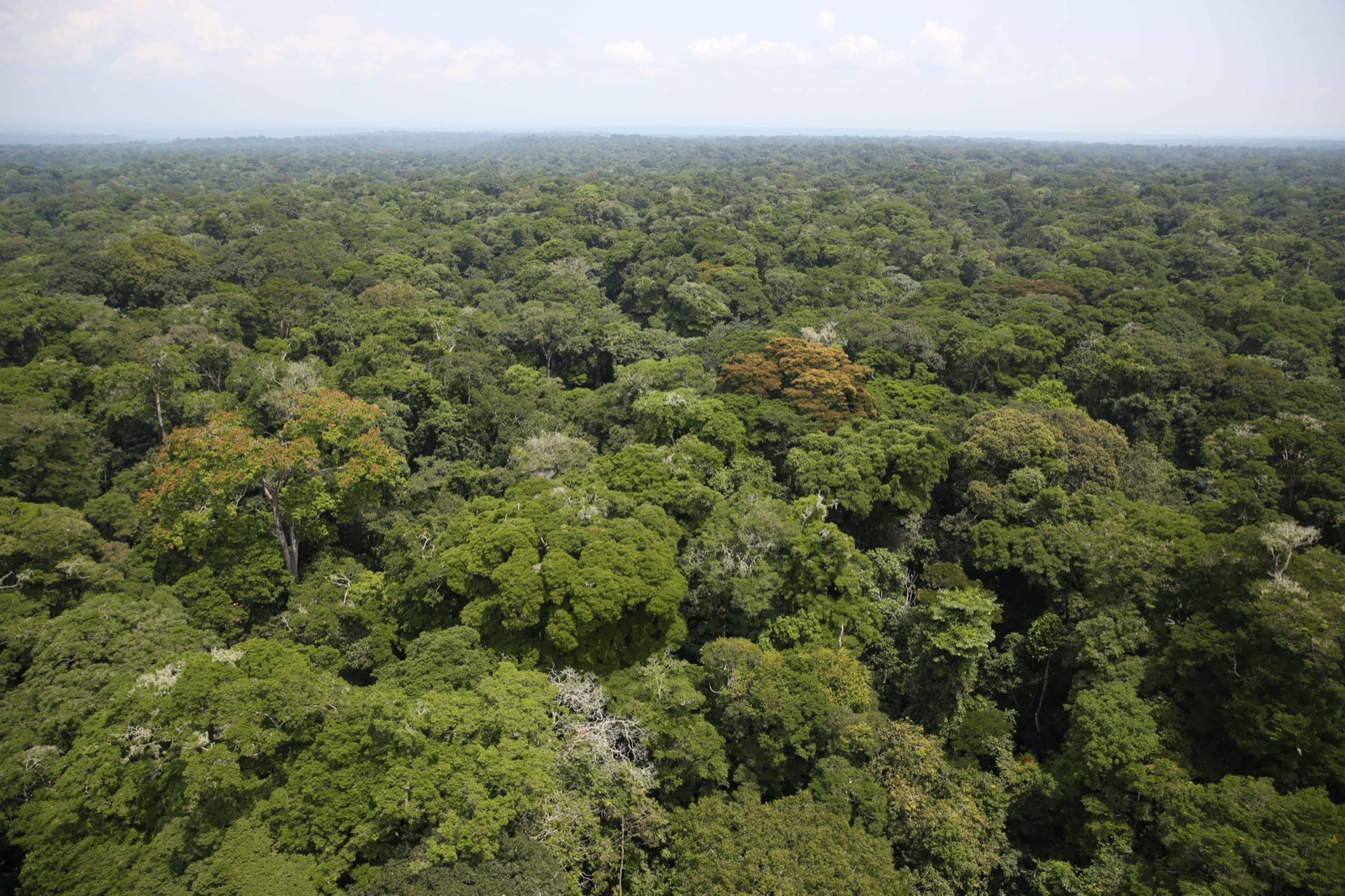 Photo: MONUSCO Photos / Abel Kavanagh, CC BY-SA 2.0, via Wikimedia Commons
DR Congo
The Democratic Republic of the Congo combines an old but durable forest-law base with a new carbon-market regime.
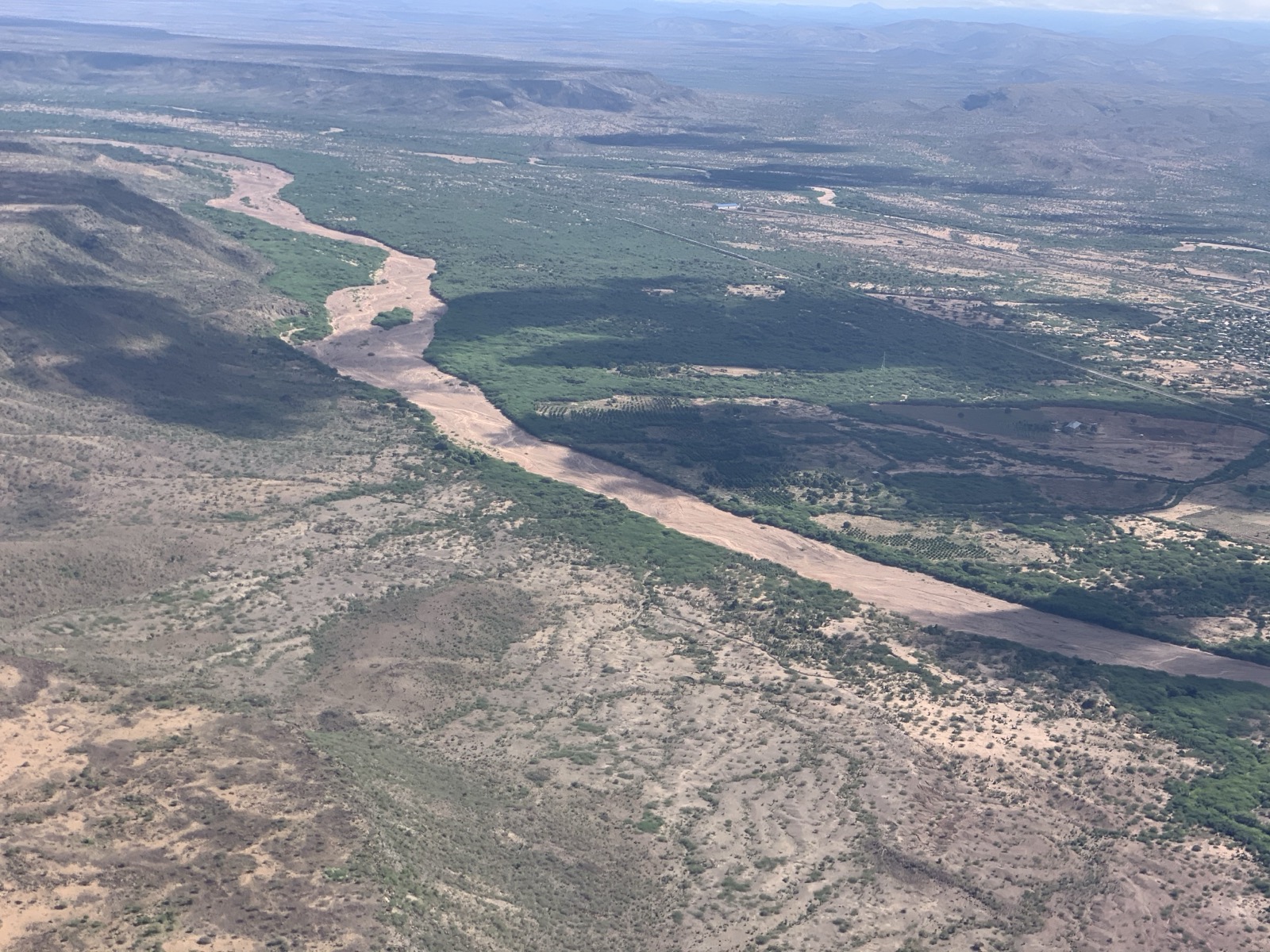 Photo: Qchasserieau · CC BY-SA 4.0 · Representative city view, predating SUNCASA; resized and cropped
Ethiopia
Ethiopia's climate governance sits atop the Climate Resilient Green Economy (CRGE) Strategy and the Environmental Protection Organs Establishment Proclamation No.
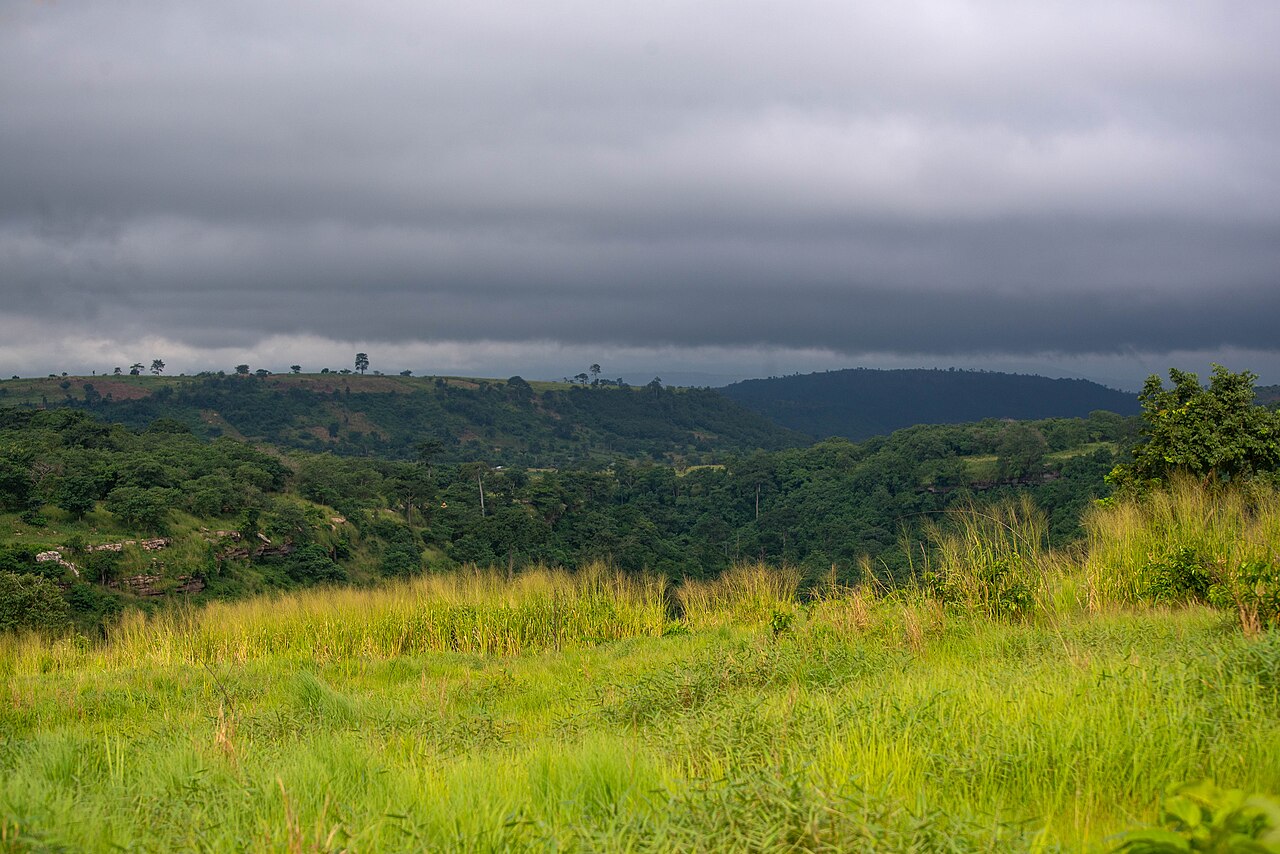 Photo: Location context · Penwills · CC BY-SA 4.0 · 2024 · Resized; display crop
Ghana
Ghana has no stand-alone climate-change act; its regime is a "patchwork of climate policies rather than climate laws," per an independent legal analysis.
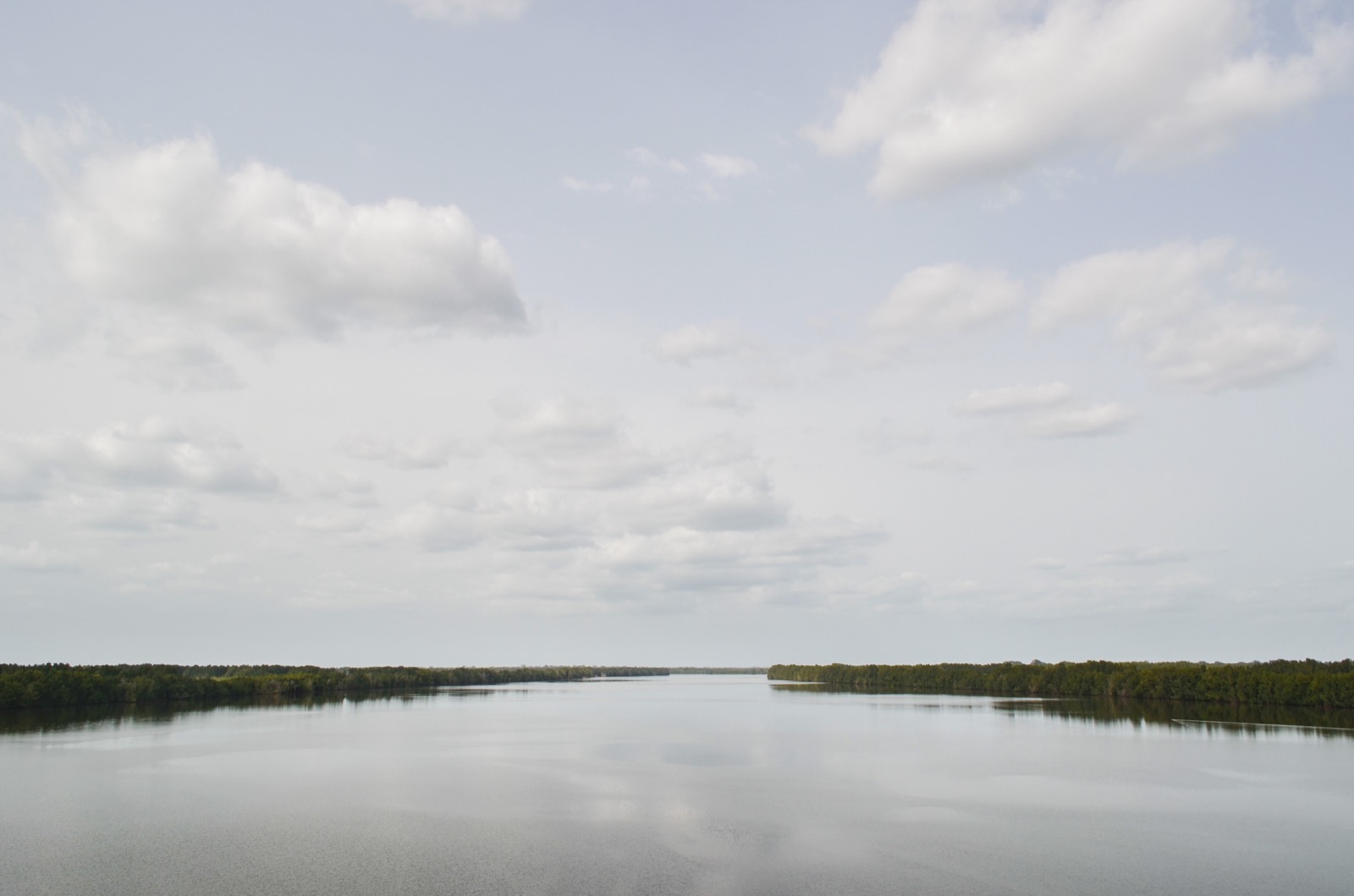 Photo: jbdodane, CC BY 2.0 via Wikimedia Commons
Guinea-Bissau
Guinea-Bissau's 2021 updated NDC, submitted on 12 October 2021, targets a 10% unconditional and 30% conditional emissions reduction by 2030, spanning agriculture, coastal…
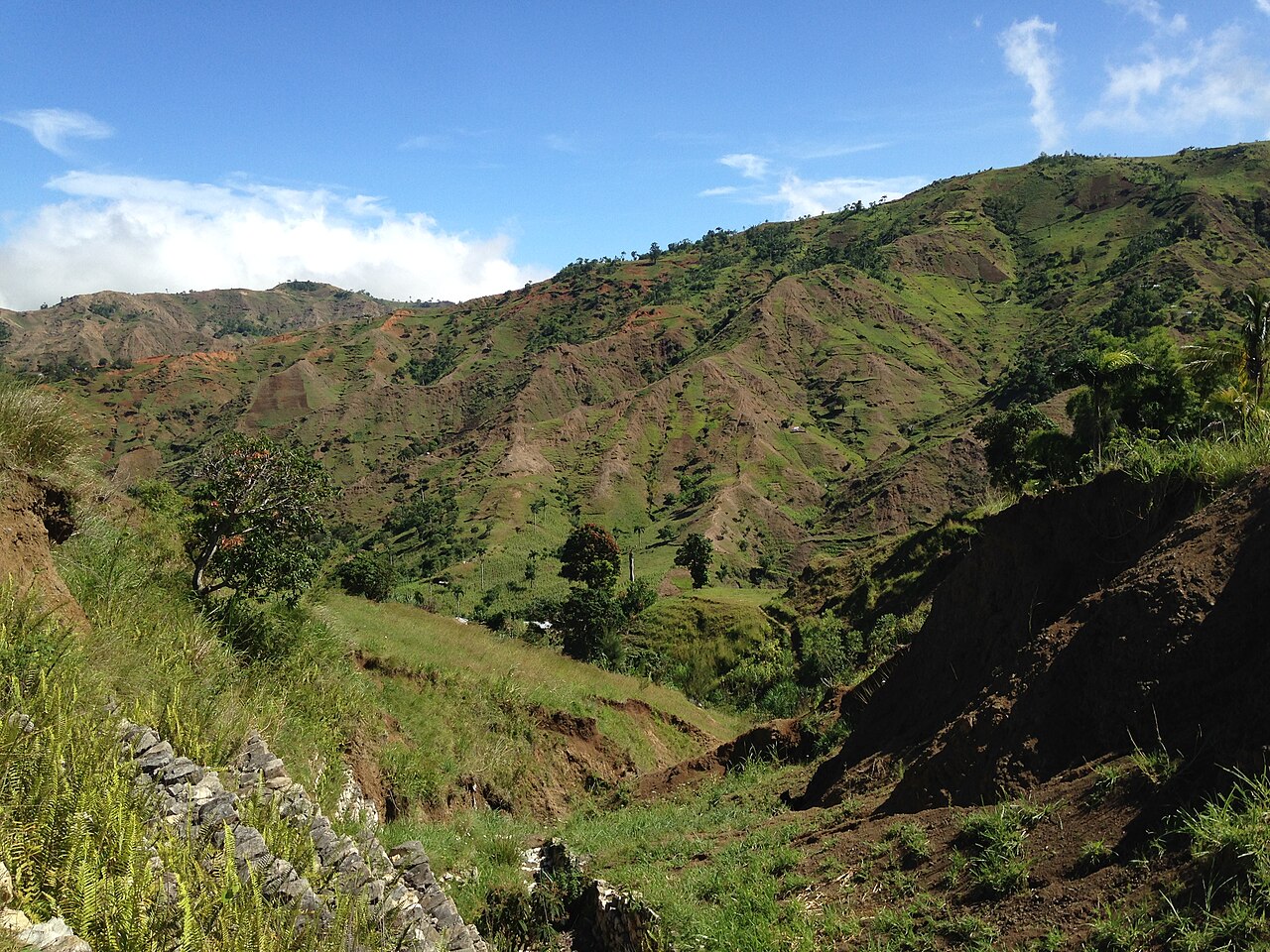 Photo: Location context · Bdx · CC BY-SA 4.0 · 2017 · Resized; display crop
Haiti
Haiti has no framework climate change law; climate-laws.org's Haiti country page states plainly that there is no framework climate change law and that "the profile has no…
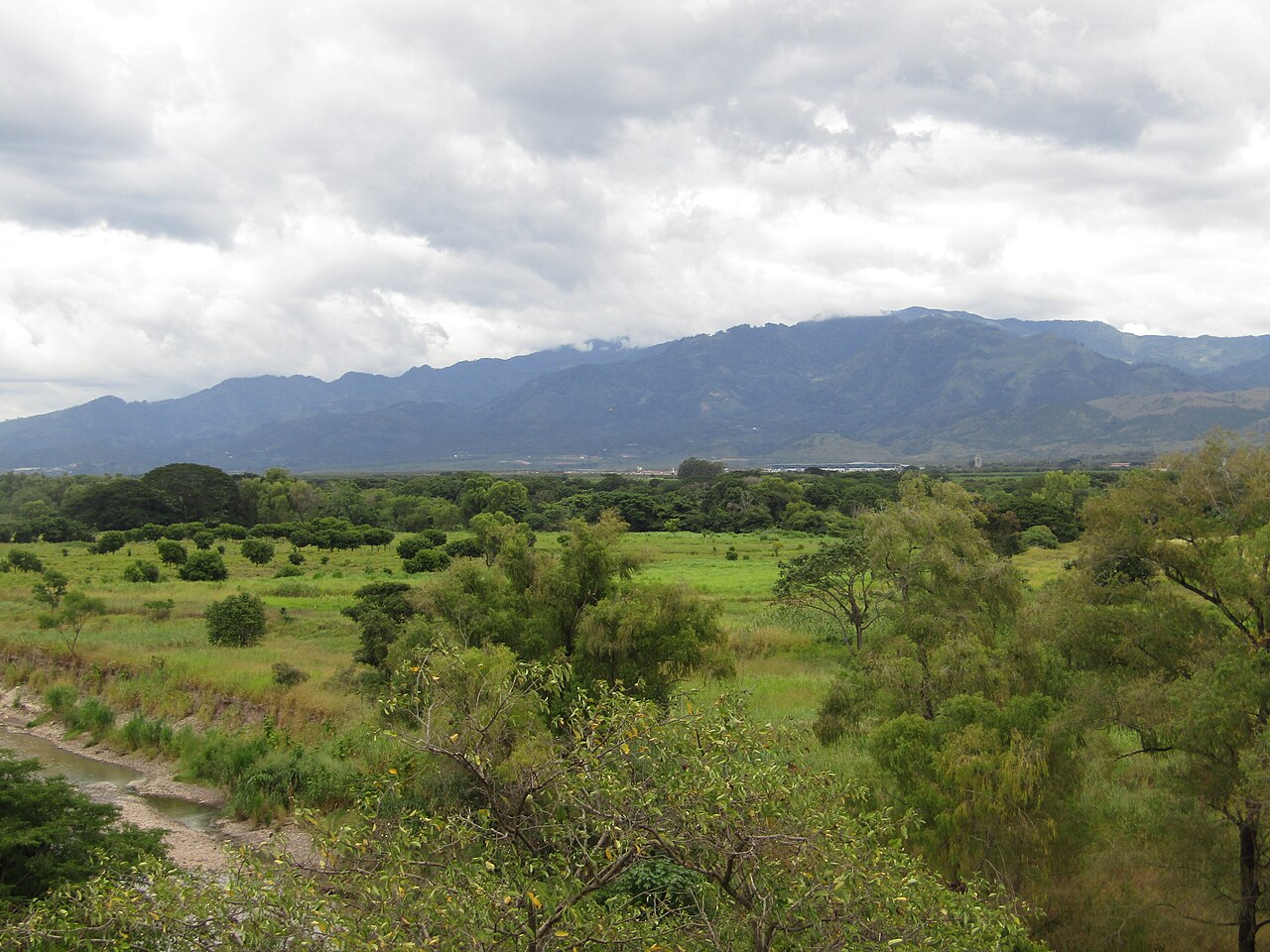 Photo: Location context · Luis Alfredo Romero · CC BY-SA 4.0 · 2021 · Resized; display crop
Honduras
Honduras's Ley de Cambio Climático (Decreto N° 297-2013), published in La Gaceta on 10 November 2014, creates the Comité Interinstitucional de Cambio Climático to…
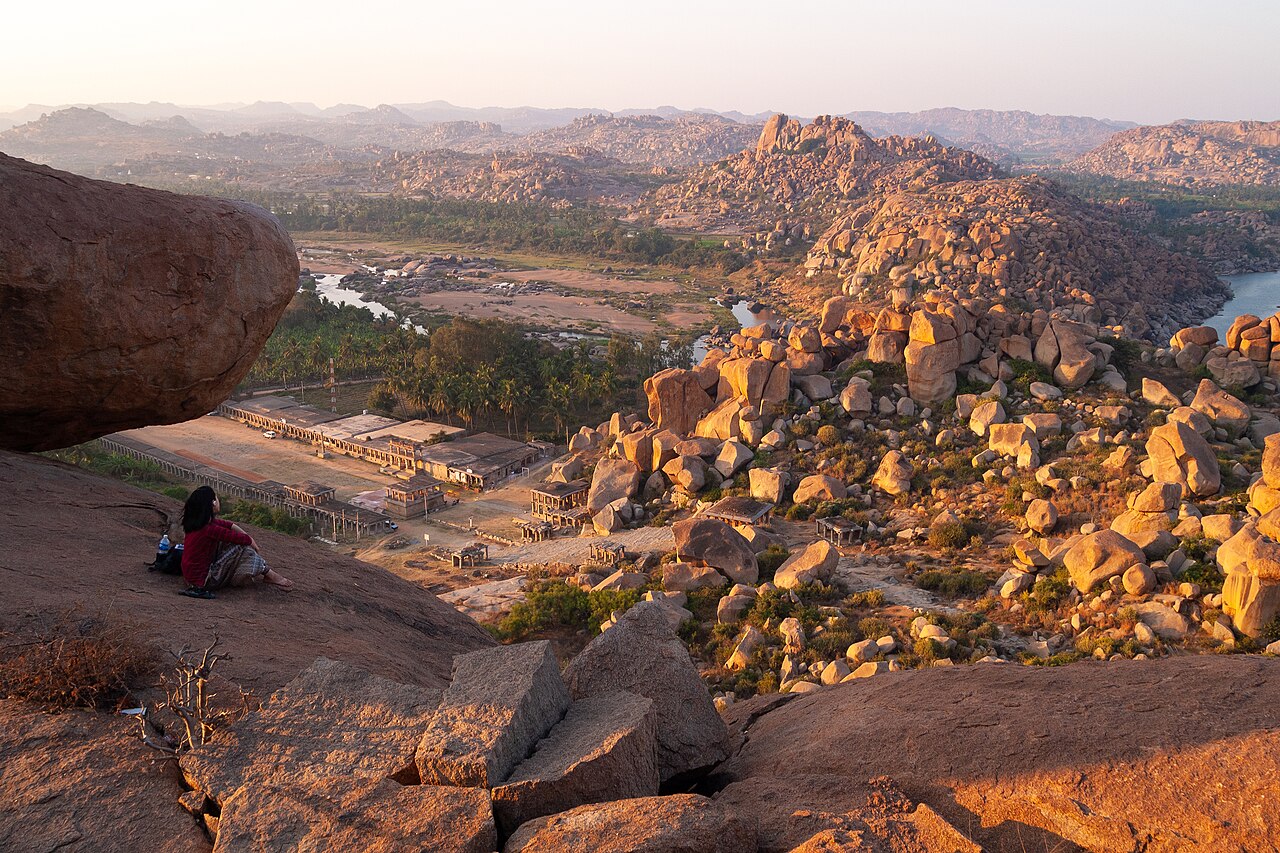 Photo: Location context · Vyacheslav Argenberg · CC BY 4.0 · 2011 · Resized; display crop
India
India's climate-legal architecture runs through the Carbon Credit Trading Scheme (CCTS), notified in 2023, and a Central Electricity Regulatory Commission regulation of…