SUNCASA in Kigali

SUNCASA restores upstream micro-catchments in the lower Nyabarongo watershed. Work includes planting trees on farms, reforestation, riparian buffers and urban greening, with local organisations and the City of Kigali.

Lower Nyabarongo River watershed, Kigali, RwandaUrban and peri-urban micro-catchments, afforestation, reforestation, agroforestry and riparian restorationSUNCASA project (Partnering for Climate programme)
Image credit
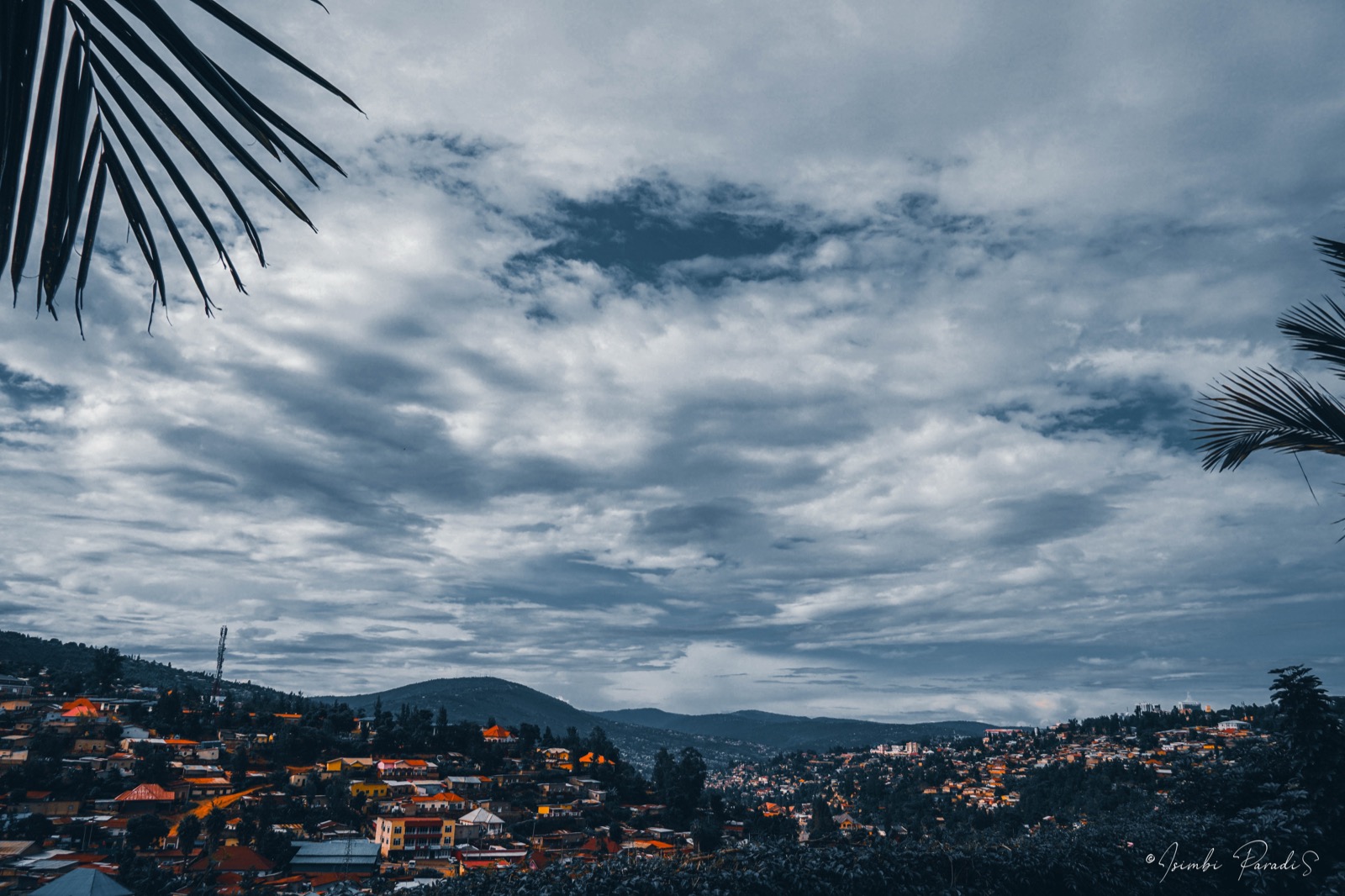
IsimbiP · CC BY-SA 4.0 · Representative city view, predating SUNCASA; resized and croppedImage source ↗
OperatorIISD & World Resources Institute, with the City of Kigali and Rwanda Forestry Authority
EcosystemUrban and peri-urban micro-catchments, afforestation, reforestation, agroforestry and riparian restoration
StandardSUNCASA project (Partnering for Climate programme)
StatusActive
LocationLower Nyabarongo River watershed, Kigali, Rwanda

Kinyarwanda is an AI-drafted translation, provisional pending native and partner review.

Overview

Inside the project

SUNCASA restores upstream micro-catchments in the lower Nyabarongo watershed. Work includes planting trees on farms, reforestation, riparian buffers and urban greening, with local organisations and the City of Kigali.

In Kigali, the project restores six upstream micro-catchments in the lower Nyabarongo River watershed, across Kicukiro, Nyarugenge and Gasabo districts, through afforestation, reforestation, agroforestry, urban tree planting and buffer-zone restoration, with an estimated resilience benefit for 975,000 people. By the end of its second year IISD reports 1,654 hectares of agroforestry and 362 hectares of riparian buffer restored, and more than 1.26 million trees and buffer plants planted across the watershed.

Delivery in Kigali runs through the City of Kigali, the Rwanda Forestry Authority, Rwanda Young Water Professionals, the Albertine Rift Conservation Society and AVEGA Agahozo, whose childcare programme at two Kigali tree nurseries lets employed women keep working. Figures on this page carry their own source and date, because IISD's own published figures for the same activities vary by vintage.

975,000
People benefiting from Kigali watershed resilience (IISD, iisd.org/suncasa/kigali)
1,267,559
Trees and buffer plants planted, end of year two (IISD, Apr 10, 2026)
2.09
USD return per USD 1 invested, Kigali SAVi assessment (IISD, Jan 20, 2026)

Objectives

  • Restore upstream micro-catchments in the lower Nyabarongo River watershed to reduce flood, landslide and soil erosion risk (launch target, November 2024).
  • Plant more than two million trees across afforestation (220 ha, 827,000 trees), reforestation (650 ha, 1 million+ trees) and agroforestry (125,000 fruit trees) in Kigali.
  • Establish 395 hectares of buffer zones to stabilise gullies and protect high-risk households, and 85,000 urban trees (SAVi Table 1, January 2026); the November 2024 launch release stated 88,475.
  • Ensure at least 50 percent of participants in SUNCASA Kigali activities are women.

Approach

  • SUNCASA's Kigali work mixes afforestation, reforestation, agroforestry, urban tree planting and vegetated buffer zones across six micro-catchments the Rwandan Ministry of Environment identified as high-risk for flooding: Rugunga, Rwandex, Gisozi-Mukindo, Gisozi-Karuruma, Nyabisindu and Kinyinya. Local delivery partners run the planting, training and community programmes; IISD reviews progress through periodic public reports rather than a live public data feed.
  • IISD commissioned a Sustainable Asset Valuation (SAVi) economic assessment of the Kigali intervention, published January 2026, which models flood, health, employment and carbon benefits against the cost of the interventions using GIS and the InVEST ecosystem-services model suite. That assessment, and IISD's own periodic progress articles, are currently the most detailed public account of Kigali-specific outcomes; no public SUNCASA data dashboard exists today.
People and practice

From planting to lasting care

Explore how the work is organised: community planting, student leadership and childcare close to nursery jobs. Each account connects a practical activity to the people carrying it forward.

Students use creativity and leadership to bring environmental learning into school life.

IISD · Video publication date: · Featured in source published · Video in its original language

Sources

Inspect 8 sources
  1. iisd.org ↗https://www.iisd.org/suncasa
  2. iisd.org ↗https://www.iisd.org/suncasa/kigali
  3. iisd.org ↗https://www.iisd.org/system/files/2026-01/nature-based-solutions-kigali.pdf
  4. iisd.org ↗https://www.iisd.org/articles/press-release/scaling-nature-based-solutions-kigalis-climate-resilience
  5. iisd.org ↗https://www.iisd.org/articles/news/year-one-suncasa-progress-lessons-nature-based-solutions
  6. iisd.org ↗https://www.iisd.org/articles/success-story/gender-equality-action-childcare-program-enables-mothers-work-nature-based
  7. iisd.org ↗https://www.iisd.org/articles/success-story/how-sub-saharan-african-cities-building-climate-resilience
  8. nbi.iisd.org ↗https://nbi.iisd.org/report/urban-tree-planting-in-kigali-rwanda/

Explore related climate work

Find other projects and tools for monitoring, restoration and climate adaptation.

Browse projectsBrowse tools