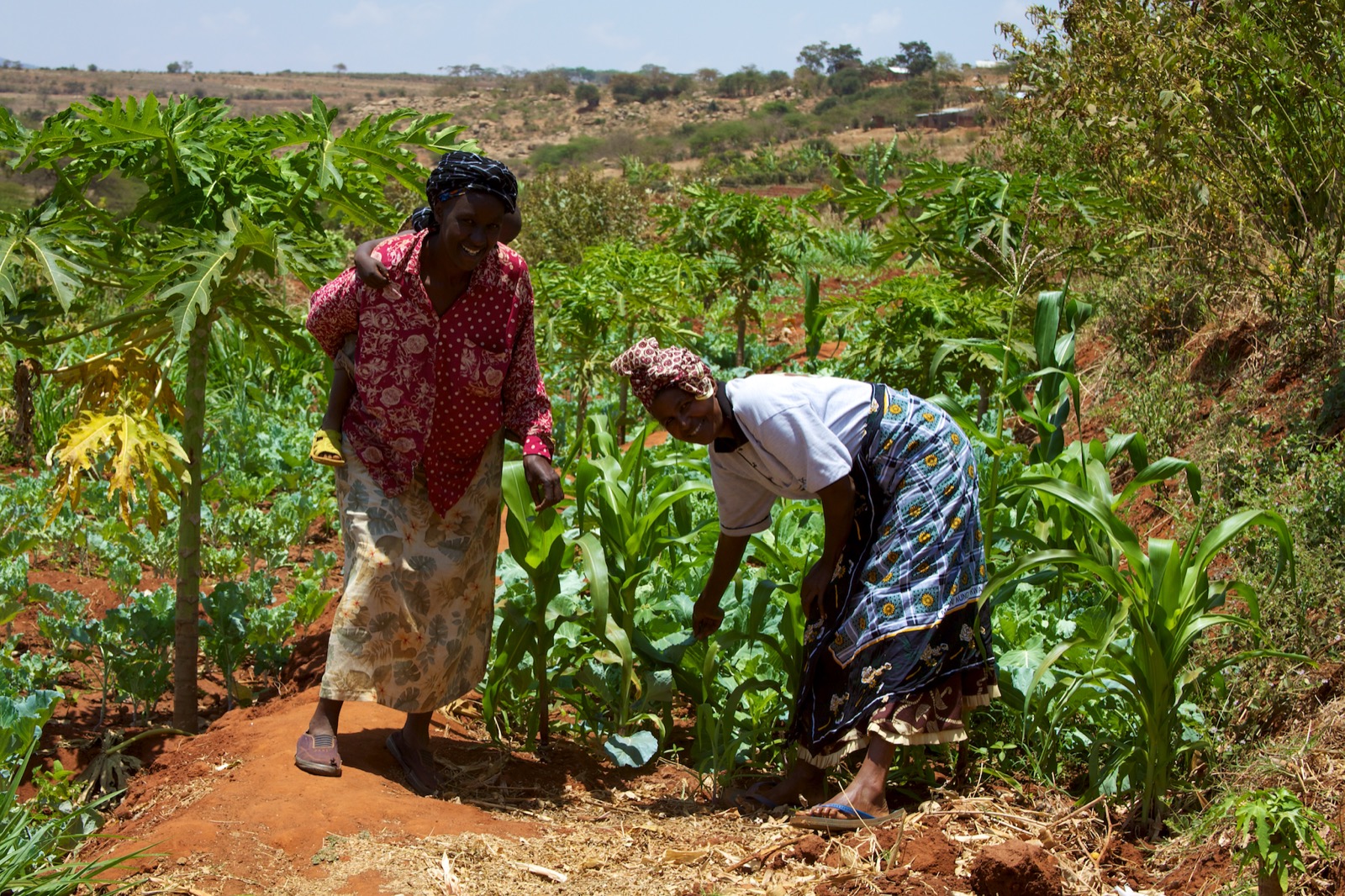
Trees for Global Benefits
Since 2003, tens of thousands of Ugandan smallholders have converted sub-hectare plots to native agroforestry and woodlots, drawing staggered, performance-based carbon payments as their trees grow.
Image credit
Inside the project
Trees for Global Benefits is a cooperative, performance-based carbon scheme run by the Ugandan NGO ECOTRUST. Smallholder farmers on sub-hectare plots convert land to agroforestry and woodlots of native species and receive staggered payments as agreed carbon milestones are met.
One of the largest Plan Vivo projects, it began in Bushenyi and now reaches roughly 26 to 34 districts across the Albertine Rift. Through 2024 it had paid about 8.78 million US dollars to 51,874 households across some 34,286 hectares.
The scheme has delivered more than three million tonnes of CO2 benefits since inception. Like many voluntary offset programmes, it has drawn some criticism from NGOs over offset delivery and the pace of payments; buyers and the operator continue to publish verification data through Plan Vivo.
Objectives
- Enable smallholders to earn carbon income by converting sub-hectare plots to native agroforestry.
- Pay farmers on a staggered, performance-based schedule tied to verified tree growth.
- Scale participation across the districts of the Albertine Rift.
- Maintain transparent verification under the Plan Vivo standard.
Approach
- Performance-based, staggered payments released as verified carbon milestones are reached.
- Native-species agroforestry and woodlots on sub-hectare smallholder plots.
- A cooperative delivery model coordinated by ECOTRUST across dozens of districts.
- Independent verification and public reporting under Plan Vivo.
Sources
Inspect 2 sources
- worldlandtrust.org ↗https://www.worldlandtrust.org/news/2025/01/trees-for-global-benefits-carbon-balanced-in-uganda/
- planvivo.org ↗https://www.planvivo.org/projects/trees-for-global-benefits-uganda
Explore related climate work
Find other projects and tools for monitoring, restoration and climate adaptation.
Browse projectsBrowse tools