TIST: The International Small Group and Tree Planting Program
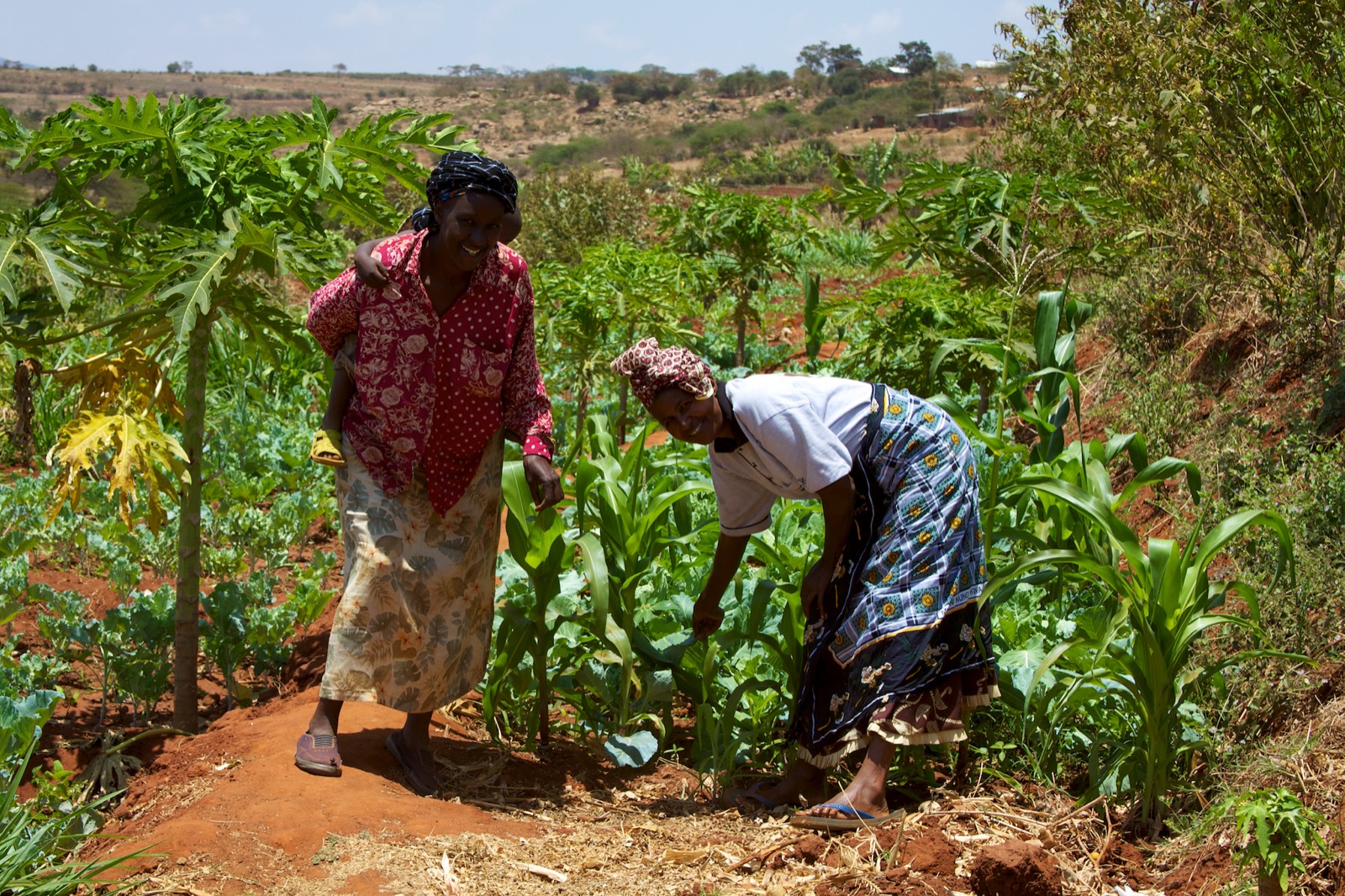
TIST is a participant-led afforestation and carbon program launched in 1999, in which subsistence farmers organised into small groups plant, tend and GPS-count trees across Kenya, Tanzania, Uganda and India. More than 230,000 farmers maintain over 25 million living trees on previously degraded land, sequestering over 6 million tonnes of CO2. It was the first carbon project in the world to be dual-validated and verified under both Verra's VCS and the CCB Standards.
Image credit
Inside the project
TIST is built around small groups of roughly six to twelve subsistence farmers (grouped into Clusters), who collectively decide to plant trees, adopt sustainable agriculture, and hold each other accountable. The model began with a handful of farmers in central Tanzania in 1999 and has since grown to more than 230,000 participants and tens of thousands of small groups across four countries.
Farmers keep the majority of the value the trees create: TIST pays an annual cash incentive per living, verified tree, and farmers receive a 70% share of the net profit from the sale of the carbon credits their trees generate. On top of carbon income, the trees deliver food, fruit, nuts, fodder, traditional medicines, fuelwood and timber, adding substantial ongoing value per tree for the household.
Every tree grove is individually located and measured. Trained local quantifiers visit groves with GPS units and handheld/mobile devices to capture the exact location, count, circumference and species of living trees, feeding a real-time internet database. This per-tree, GPS-tagged accounting is what underpins TIST's carbon credit issuance and its transparency claims.
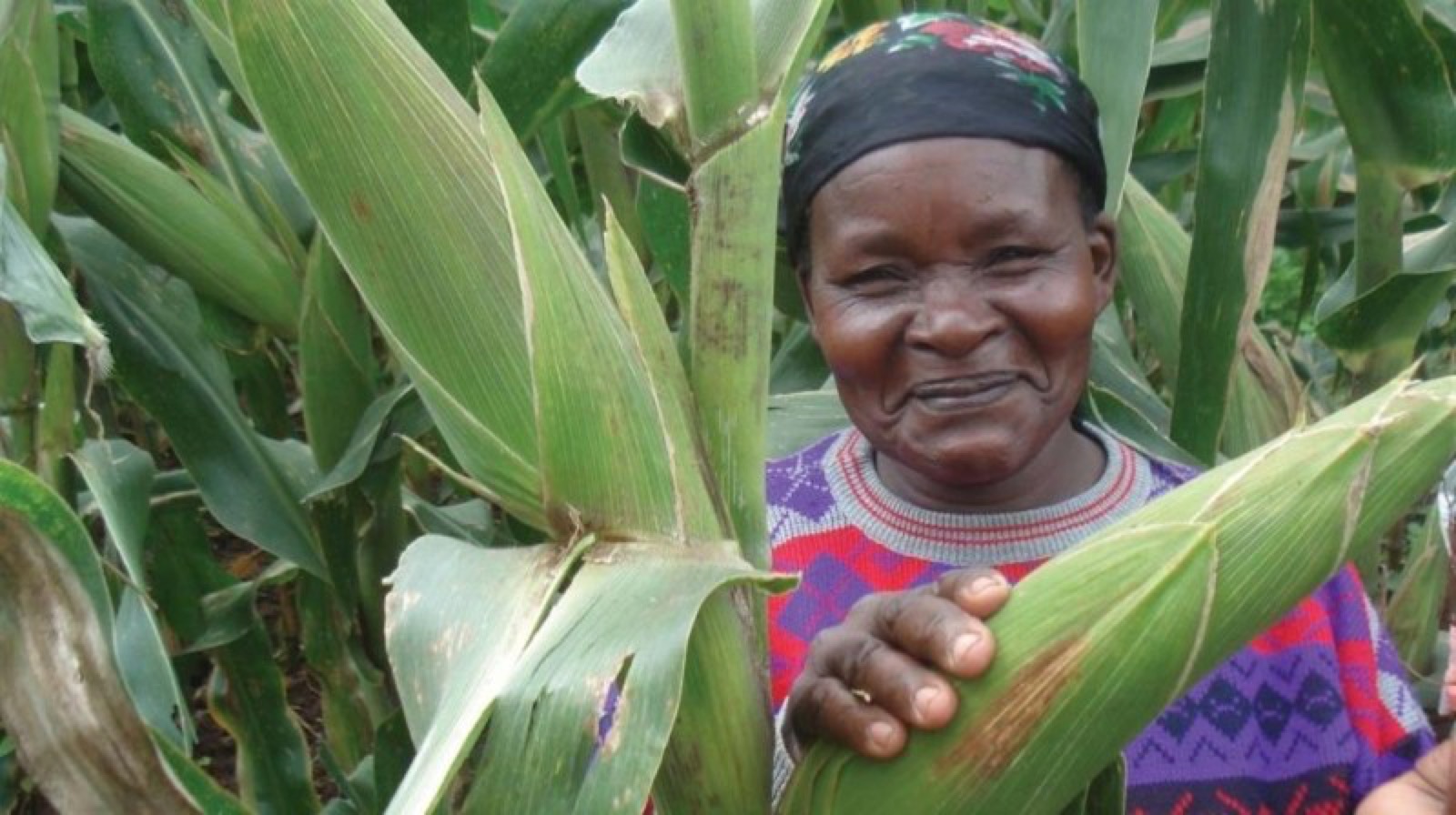
Image credit
Objectives
- Reverse local deforestation and land degradation by helping subsistence farmers plant and keep alive large numbers of trees on their own small plots.
- Generate durable income for the rural poor by sharing the majority of carbon revenue (70%) plus tree by-products directly with participating farmers.
- Quantify and verify carbon sequestration tree-by-tree using GPS and handheld devices to issue credible, third-party-certified carbon credits.
- Strengthen local communities through small-group governance, rotating leadership, gender inclusion and training in sustainable agriculture, health and conservation.
Approach
- TIST is notable for measuring carbon at the level of the individual tree rather than by sampled plots alone. Trained local quantifiers, drawn from the farming communities themselves, travel to each tree grove and woodlot and use GPS units together with handheld/mobile devices (originally Palm computers, later smartphones) to log each grove's exact location, the number of live trees, their circumference and their species.
- That field data feeds a real-time, internet-based database that converts verified tree growth into tonnes of CO2 and then into carbon credits. The approach makes the monitoring auditable and geographically traceable, and it was sufficient for TIST to become the first project to be dual-validated and verified under both Verra's VCS and the CCB Standards, achieving CCB 'Triple Gold' distinctions across its African projects.
Sources
Inspect 5 sources
- tist.org ↗https://www.tist.org/
- verra.org ↗https://verra.org/case-studies/the-tist-model/
- cleanairaction.com ↗https://www.cleanairaction.com/
- compensate.com ↗https://www.compensate.com/projects/tist-community-reforestation/
- 2012-2017.usaid.gov ↗https://2012-2017.usaid.gov/kenya/fact-sheets/international-small-group-tree-planting-program
Explore related climate work
Find other projects and tools for monitoring, restoration and climate adaptation.
Browse projectsBrowse tools