Northern Kenya Rangelands Carbon Project
Spanning roughly 1.9 million hectares of northern Kenyan rangeland, the Northern Kenya Grassland Carbon Project (Verra VCS ID 1468) claims to store soil carbon by shifting community conservancies to planned rotational grazing. It is the largest soil-carbon project of its kind and has been the subject of sustained dispute over consent, methodology and additionality.
Image credit
Inside the project
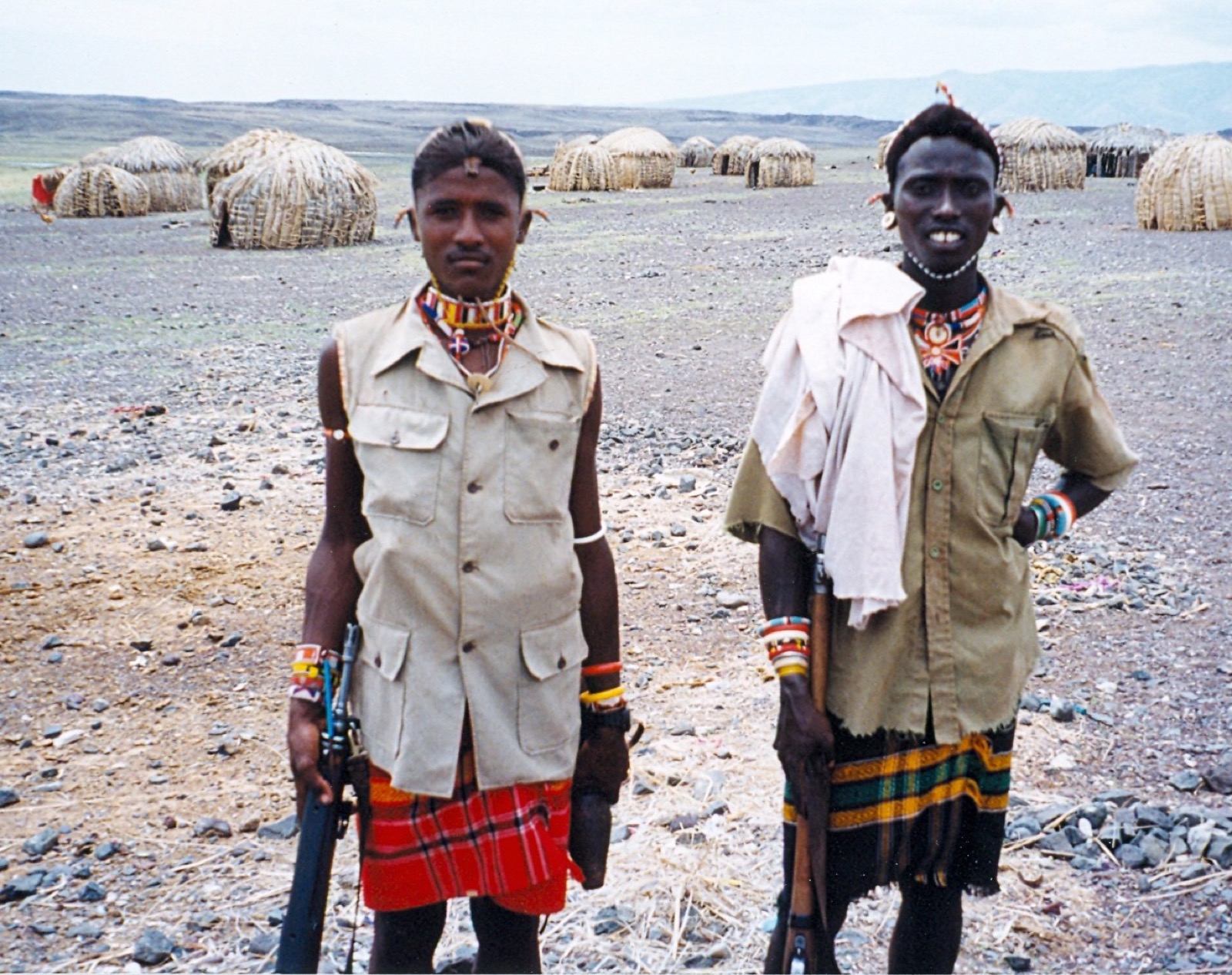
Developed by the Northern Rangelands Trust (NRT) with Conservation International and Native (formerly Soil & More), the project covers grasslands stretching from the northern slopes of Mount Kenya toward the Ethiopian border, across community-owned conservancies in Laikipia, Isiolo, Samburu and Marsabit counties.
It is registered on the Verra registry as project ID 1468 under the VCS sustainable-grasslands methodology VM0032, and was validated in 2020 with two verification periods covering 2013-2016 and 2017-2020, each awarded CCB Triple Gold status.
NRT reports more than two million hectares and 14 participating conservancies, around 6 million verified carbon credits issued, and an expected removal of approximately 50 million tonnes of CO2 over the project lifetime.
The project is contested: Survival International's March 2023 'Blood Carbon' report alleged failures of free, prior and informed consent and a weak additionality case, prompting a Verra quality-control review and a temporary suspension of credit issuance; NRT rejected the report as 'misguided, poorly researched and inaccurate in nearly all respects.'
As viewed in September 2026, Verra's registry lists VCS 1468 over 1,993,075 hectares with Northern Rangelands Trust as proponent, 6,193,393 units issued and 1,975,548 retired, and a verification approval requested.
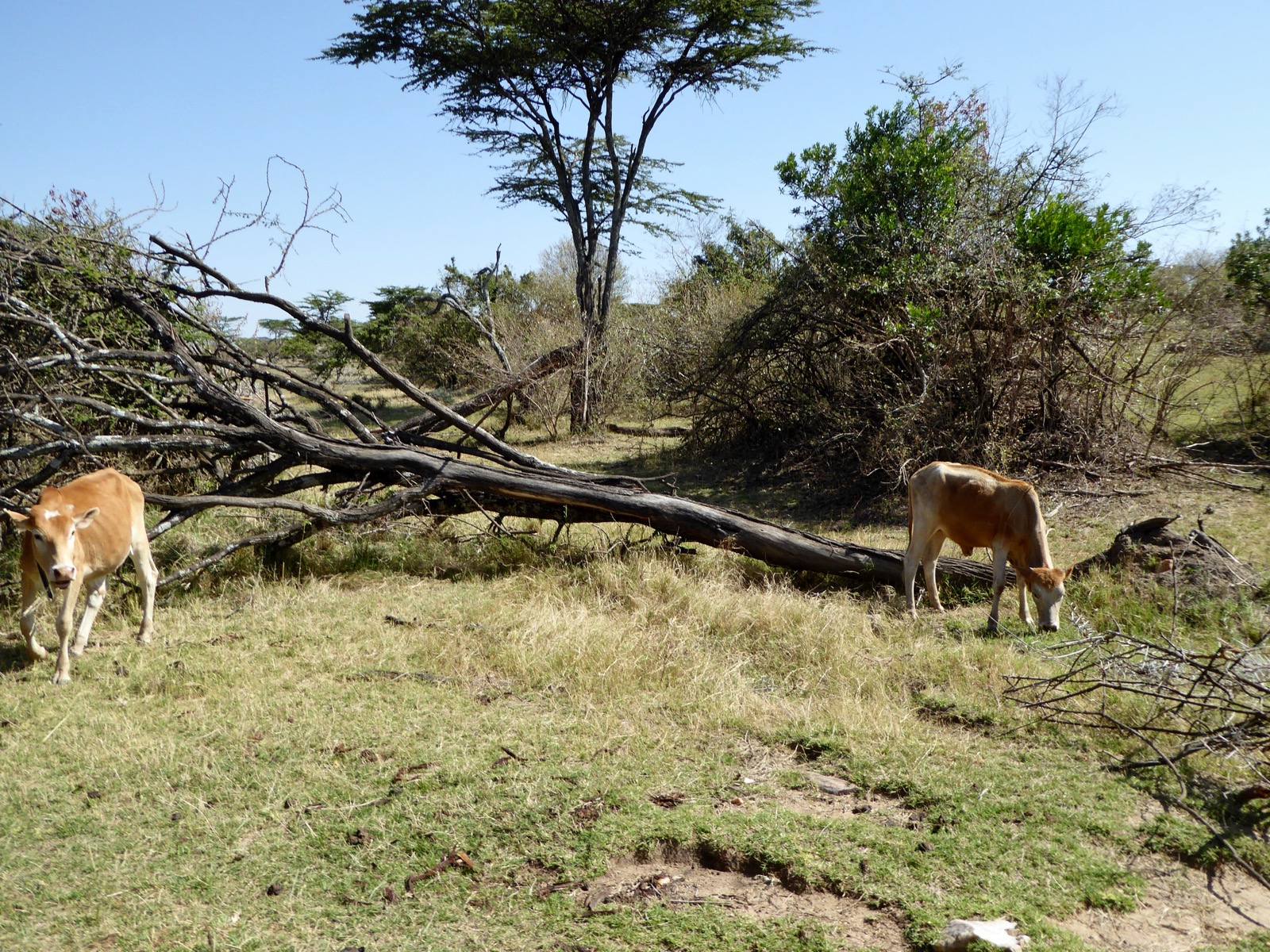
Image credit
Objectives
- Increase soil organic carbon storage across community rangelands through planned rotational grazing
- Generate carbon-credit revenue intended to fund conservancies and pastoralist community programmes
- Maintain VCS verification and CCB co-benefit certification for biodiversity and community outcomes
Approach
- Replace 'unplanned' grazing with centrally coordinated planned rotational grazing intended to let vegetation recover and build soil carbon, quantified under Verra's VM0032 grasslands methodology with periodic third-party verification audits and credit revenue channelled through a special-purpose company for participating conservancies.
- Critics (Survival International, 2023) dispute that rotational grazing is occurring at scale or that it stores more carbon than traditional pastoralism, and question the additionality baseline; NRT disputes these claims and points to independent audits and its reported FPIC process.
Sources
Inspect 7 sources
- northernkenyacommunitycarbon.org ↗https://www.northernkenyacommunitycarbon.org/faq
- verra.org ↗https://verra.org/program-notice/update-northern-kenya-grassland-carbon-project/
- nrt-kenya.org ↗https://www.nrt-kenya.org/news-2/2023/3/23/statement-regarding-the-survival-international-report
- survivalinternational.org ↗https://www.survivalinternational.org/articles/carbon-offset-scheme-makes-millions-from-Indigenous-land-Northern-Kenya
- news.mongabay.com ↗https://news.mongabay.com/2023/03/carbon-credits-from-award-winning-kenyan-offset-suspended-by-verra/
- native.eco ↗https://native.eco/project/northern-kenya-rangelands-project/
- registry.verra.org ↗https://registry.verra.org/app/projectDetail/VCS/1468
Explore related climate work
Find other projects and tools for monitoring, restoration and climate adaptation.
Browse projectsBrowse tools