Makira Natural Park REDD+
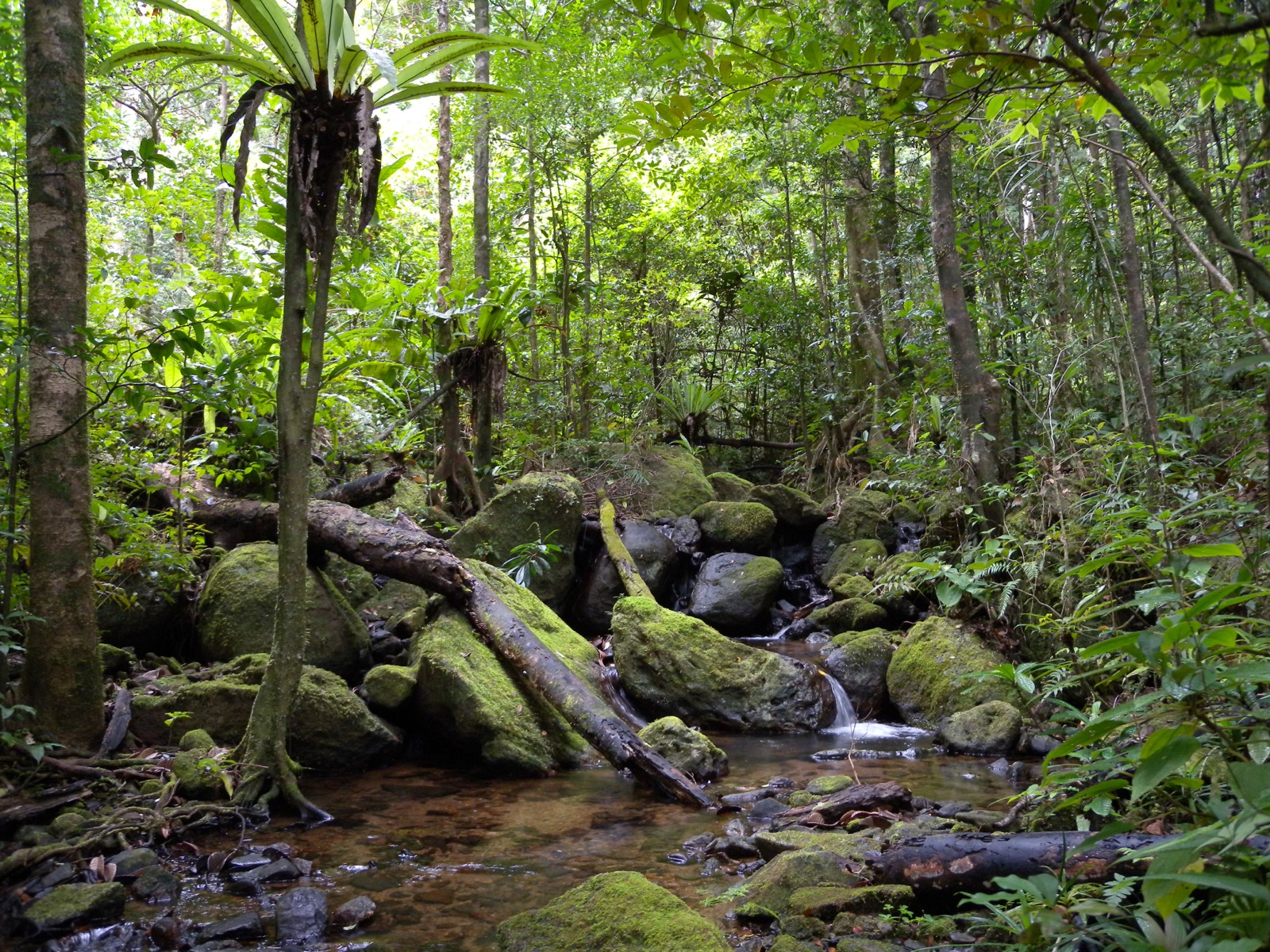
In the rainforests of northeastern Madagascar, the Makira Natural Park REDD+ project protects one of the island's largest surviving blocks of primary forest, a refuge where every one of Madagascar's lemur families is found. Run by the Wildlife Conservation Society on behalf of the Malagasy government, it was the first government-owned REDD+ project in Africa to sell carbon credits. It pairs strict forest protection with sustainable livelihoods for the roughly 90,000 people living around the park.
Image credit
Inside the project
Makira protects around 360,000 hectares of dense primary forest inside the national park, buffered by some 350,000 hectares of community-managed forest. The landscape holds more than half of Madagascar's botanical diversity and is regarded as one of the world's top biodiversity hotspots.
The core mechanism is avoided deforestation: by strengthening community forest associations and promoting sustainable agriculture, WCS has cut deforestation in the park by about 84% and avoided roughly 1.8 million tonnes of CO2-equivalent since 2005, with around 38 million tonnes projected over 30 years.
About 90,000 people across 120 villages benefit through 73 community forest-management associations, alongside health, agriculture and reforestation programs that have restored degraded land and planted hundreds of thousands of trees.
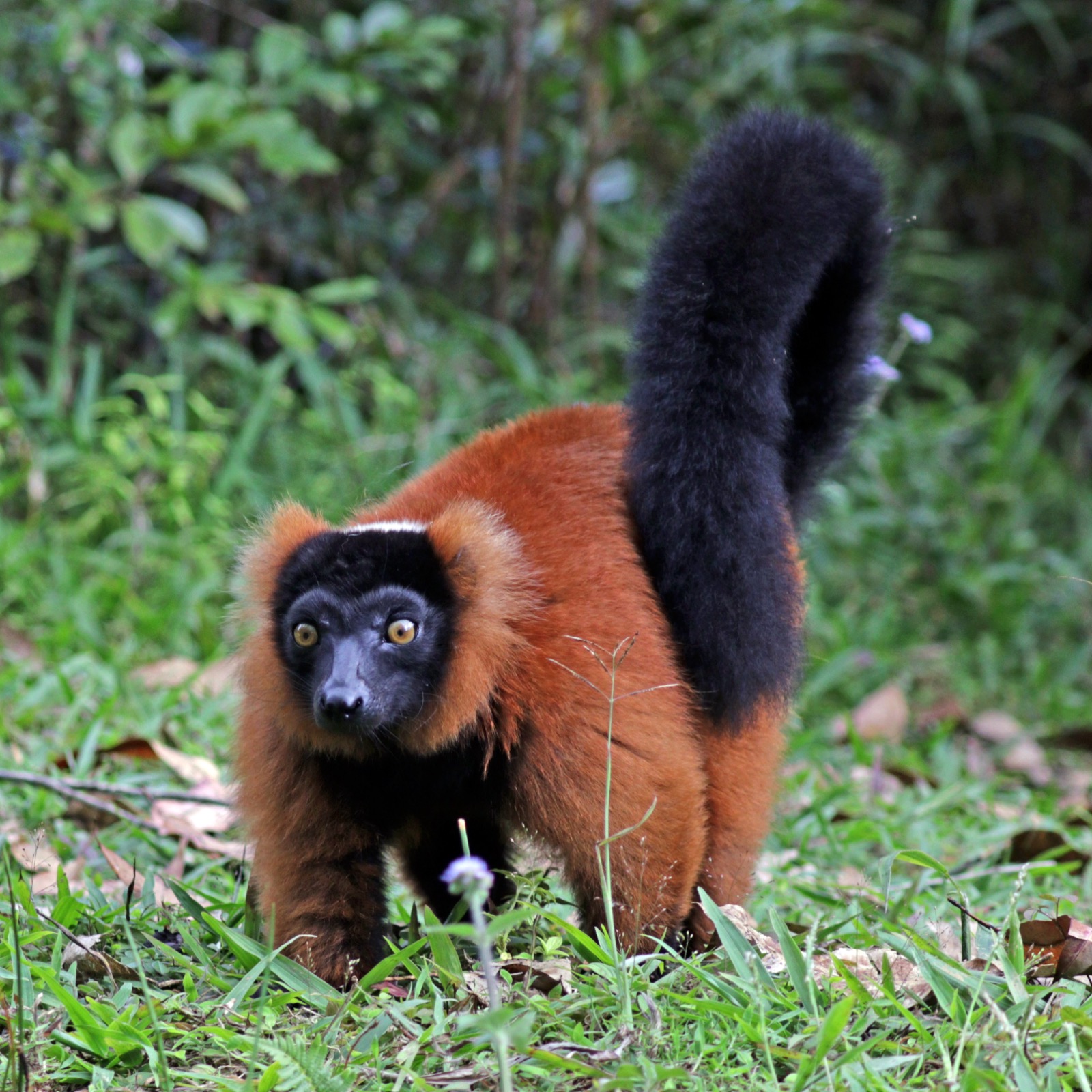
Image credit
Objectives
- Halt deforestation and degradation across the Makira landscape
- Conserve exceptional biodiversity, especially lemurs and endemic flora
- Improve community livelihoods and food security through sustainable agriculture
- Generate verified carbon revenue to sustain park management and benefit-sharing
Approach
- Verified under Verra's VCS for emission reductions and CCB Standards (Climate Adaptation and Community Gold) for co-benefits, with independent third-party validation and verification. Deforestation is tracked against a regional reference baseline, complemented by community and biodiversity monitoring.
Sources
Inspect 3 sources
- makiraredd.wcs.org ↗https://makiraredd.wcs.org/
- madagascar.wcs.org ↗https://madagascar.wcs.org/Makira-Carbon.aspx
- en.wikipedia.org ↗https://en.wikipedia.org/wiki/Makira_Natural_Park
Explore related climate work
Find other projects and tools for monitoring, restoration and climate adaptation.
Browse projectsBrowse tools