Mai-Ndombe REDD+
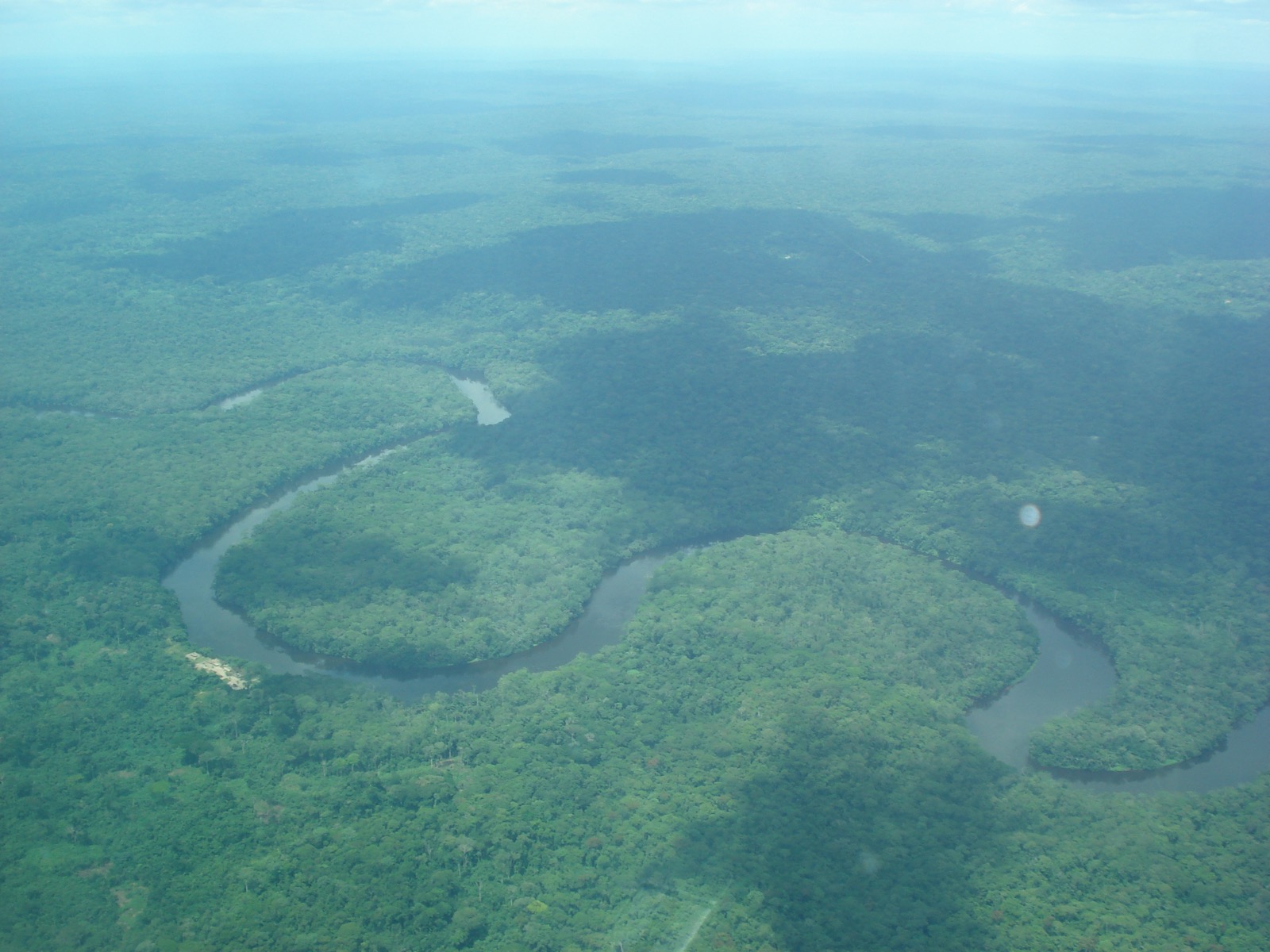
The Mai-Ndombe REDD+ Project protects nearly 300,000 hectares of Congo Basin rainforest, a former logging concession now governed with local communities. Operating since 2011, it partners with more than 50,000 community members to halt deforestation and is projected to avoid over 175 million tonnes of CO2 across its 30-year life. The forest is an important refuge for endangered bonobos and a recovering elephant population.
Image credit
Inside the project
Spanning roughly 249,000 to 300,000 hectares on former industrial logging concessions, Mai-Ndombe was one of the first REDD+ projects in the Congo Basin rainforest. Wildlife Works works with over 50,000 people through community self-governance, directing carbon revenue into locally chosen projects in health, education, clean water and sustainable agriculture.
The project shifts livelihoods away from extractive activity: former hunters became eco-guards protecting the forest, and locally hired staff run demonstration gardens, agroforestry and conservation-farming training. Hundreds of full-time conservation jobs have replaced reliance on logging and bushmeat.
Camera-trap monitoring has documented a significant rise in wildlife since 2014, including elephant sightings and young calves. The site is a stronghold for the endangered bonobo, found only in the DRC, alongside forest elephants and other Congo Basin species.
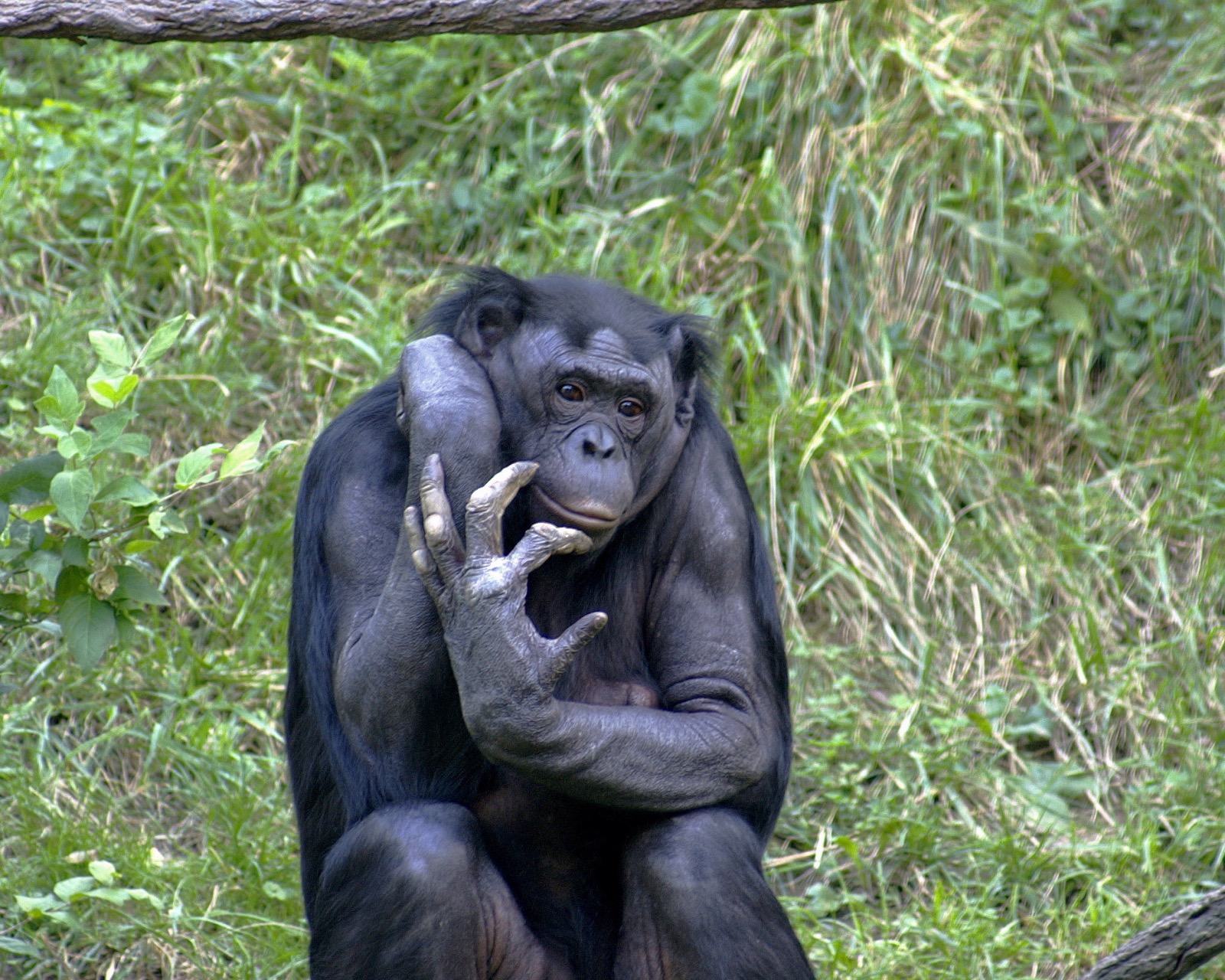
Image credit
Objectives
- Prevent deforestation across former logging concessions in the Congo Basin
- Govern the project with communities and fund locally chosen development
- Protect endangered bonobos and recovering forest-elephant populations
- Replace extractive livelihoods with sustainable conservation jobs and agriculture
Approach
- Emission reductions are verified under Verra's VCS and major social and biodiversity co-benefits under CCB (Gold), with independent third-party verification. Avoided-deforestation accounting uses satellite monitoring against a baseline, complemented by camera-trap wildlife surveys and eco-guard patrols.
Sources
Inspect 3 sources
- wildlifeworks.com ↗https://www.wildlifeworks.com/redd-projects/mai-ndombe
- verra.org ↗https://verra.org/projects_public_comm/the-mai-ndombe-redd-project/
- worldbank.org ↗https://www.worldbank.org/en/country/drc/brief/fact-sheet-mai-ndombe-redd-initiative-in-drc
Explore related climate work
Find other projects and tools for monitoring, restoration and climate adaptation.
Browse projectsBrowse tools