Living Carbon
Living Carbon is a US climate-biotech and reforestation public benefit company that restores abandoned coal-mine land and degraded farmland by planting native trees alongside genetically engineered, photosynthesis-enhanced hybrid poplars. Founded in 2019, it has raised roughly $36M in venture funding and signed large carbon-removal offtake agreements, including a 1.4-million-tonne deal with Microsoft announced in April 2025. Its enhanced-tree claims remain early-stage, with strong greenhouse results but limited long-term field data.
Image credit
Inside the project
Living Carbon was founded in 2019 by Maddie Hall and Patrick Mellor as a public benefit company. Its core work is reforesting land that struggles to recover on its own: abandoned coal-mine sites, exhausted farmland and soils stripped of topsoil by past industrial use, primarily across Appalachia and the eastern United States. The company prepares these sites, plants native hardwoods and pines, and shares carbon-credit income with landowners.
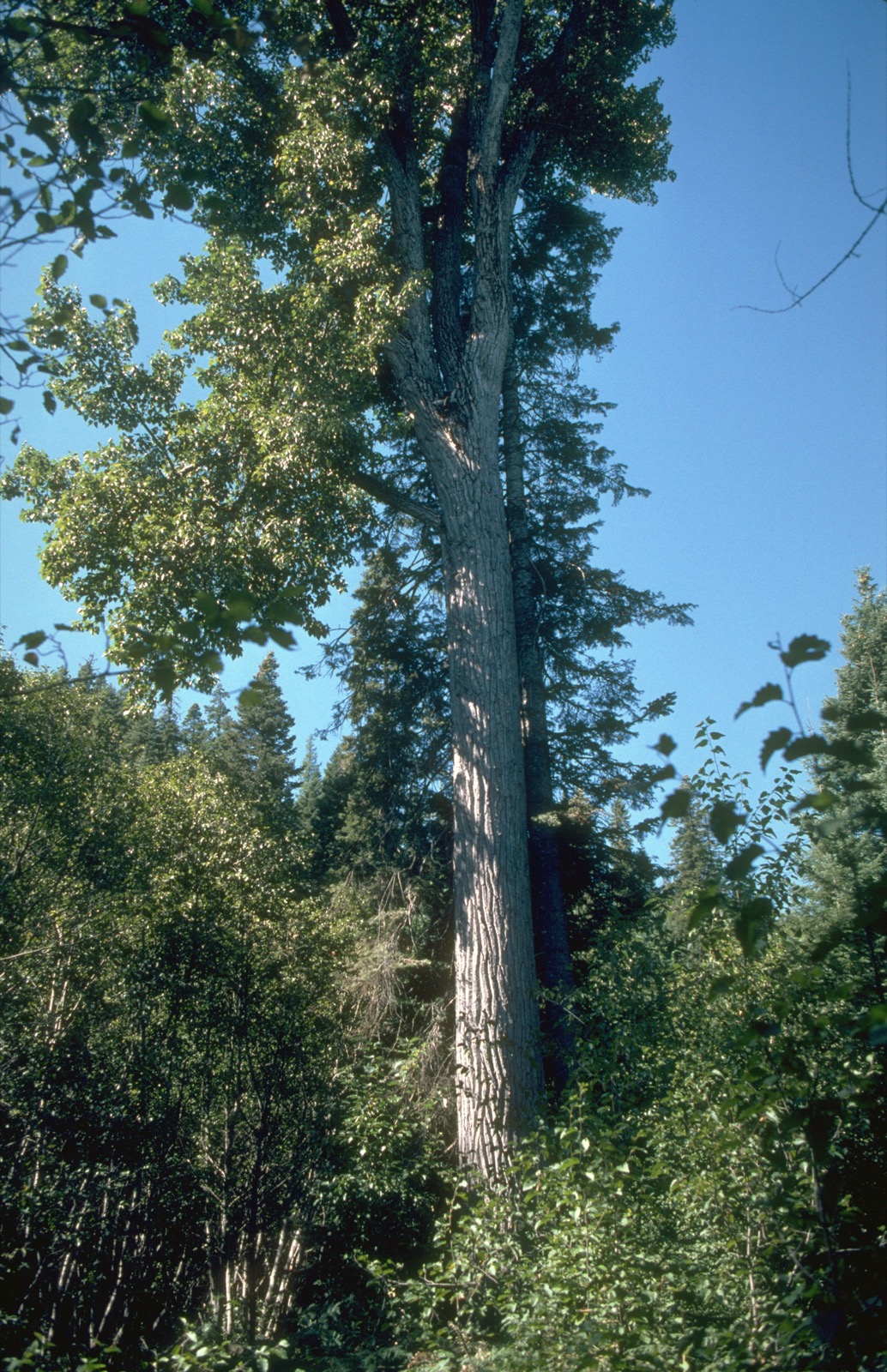
Alongside conventional reforestation, Living Carbon has developed a genetically engineered, 'photosynthesis-enhanced' hybrid poplar. In greenhouse and growth-room trials the company reported up to 53% more above-ground biomass and roughly 27% more carbon captured than control trees. The US Department of Agriculture determined the trees did not require regulation as a controlled GMO, and the first engineered poplars were planted in Georgia in February 2023, followed by Ohio. Engineered trees have been a small share of plantings (about 5% at the first registry-certified site, rising toward roughly 50% in later plantings).
The engineered-tree claims are contested by some scientists. Researchers including Steve Strauss (Oregon State University), Marjorie Lundgren (Lancaster University) and Sean McMahon (Smithsonian) have noted that greenhouse results may not translate to the field, that trees still need water and nitrogen, and that decades of timber-industry efforts to engineer faster-growing trees have repeatedly hit trade-offs. Living Carbon acknowledges its published data is early and that most of its real-world impact today comes from conventional reforestation and mine-land reclamation rather than the engineered poplars.
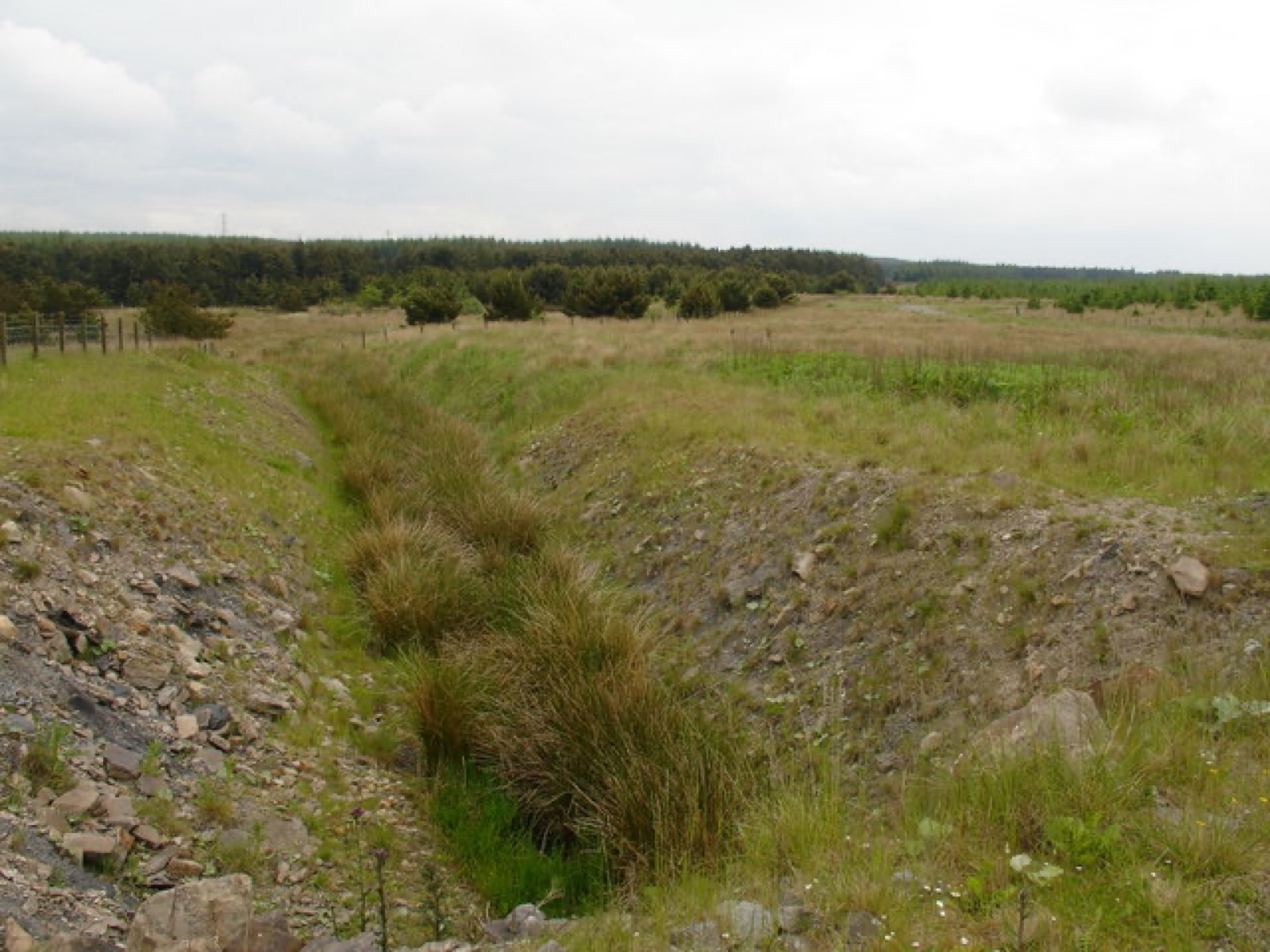
Image credit
Objectives
- Restore abandoned mine land and degraded farmland that would not naturally regenerate, returning native forest cover.
- Plant millions of seedlings, blending native hardwoods and pines with photosynthesis-enhanced poplars to increase carbon capture.
- Generate verified, durable carbon-removal credits and share resulting income with participating landowners.
- Validate enhanced-tree performance in real-world field conditions through long-term, registry-backed monitoring.
Approach
- Living Carbon's carbon removal is sold as forestry credits verified by independent registries rather than self-reported. Its early Georgia project was certified under the American Carbon Registry, whose rules required that roughly 95% of trees be non-enhanced controls. For its larger reforestation offtake (including the Microsoft agreement routed through the Symbiosis Coalition), credits are verified and issued under the Isometric Reforestation Protocol, a more recent durable-CDR standard.
- Measurement, reporting and verification combines extensive site preparation, planting of mixed native species, and tracking of tree survival, growth and biomass against project baselines, with third-party verification before credits are issued. Independent observers note that long-term field data on the enhanced poplars' real-world sequestration remains limited, so monitoring over multiple growing seasons is central to substantiating the company's carbon claims.
Sources
Inspect 5 sources
- technologyreview.com ↗https://www.technologyreview.com/2023/06/08/1074287/inside-the-quest-to-engineer-climate-saving-super-trees/
- livingcarbon.com ↗https://www.livingcarbon.com/
- agfundernews.com ↗https://agfundernews.com/temasek-lowercarbon-capital-toyota-felicis-invest-in-21m-series-a-for-living-carbons-super-trees
- smithsonianmag.com ↗https://www.smithsonianmag.com/smart-news/genetically-modified-trees-are-taking-root-to-capture-carbon-180981675/
- isometric.com ↗https://isometric.com/writing-articles/living-carbon-selects-isometric-reforestation-protocol-for-major-reforestation-offtake
Explore related climate work
Find other projects and tools for monitoring, restoration and climate adaptation.
Browse projectsBrowse tools