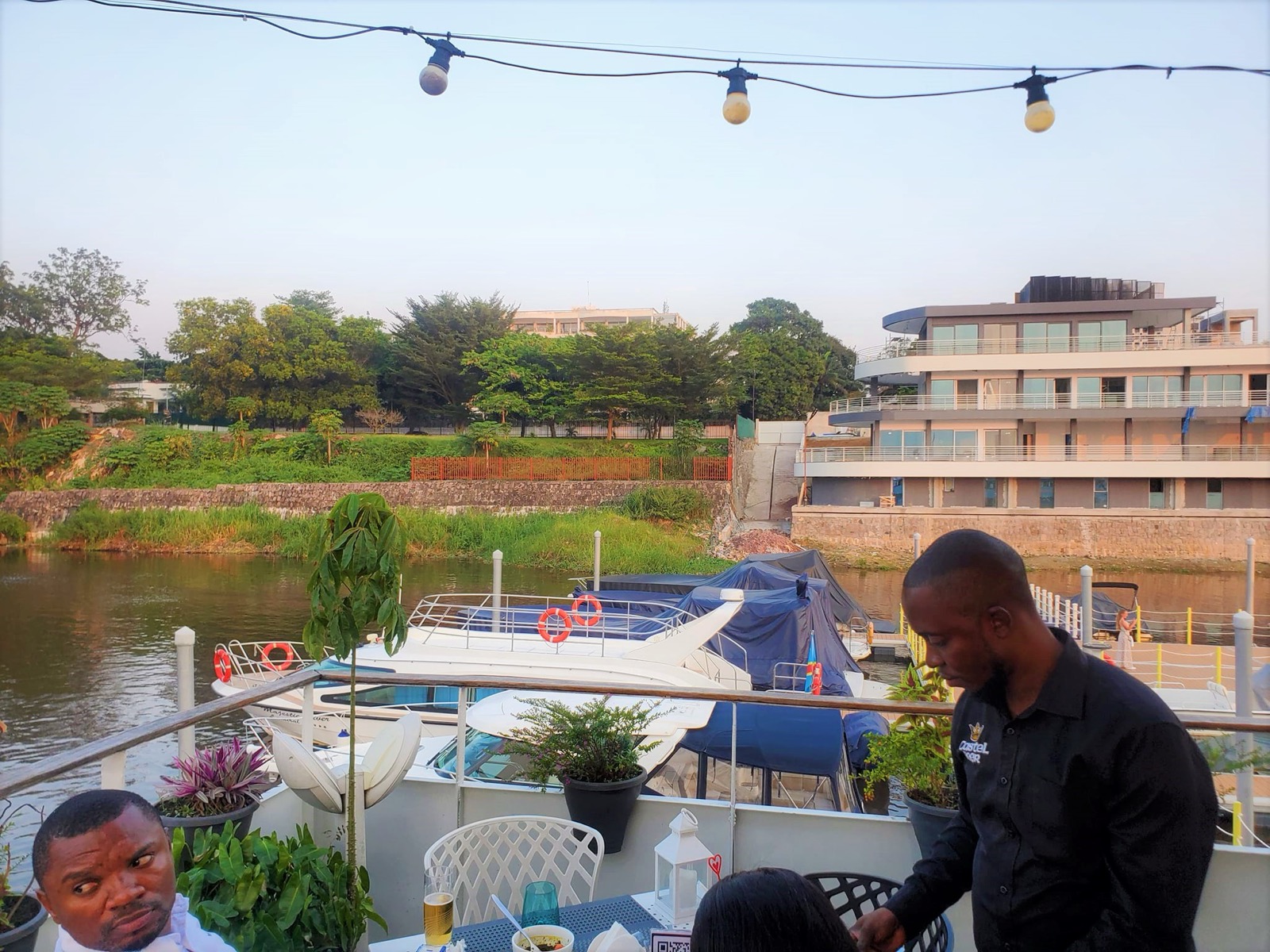
Kivu-Kinshasa Green Corridor
Announced by President Felix Tshisekedi at Davos in January 2025, the Kivu-Kinshasa Green Corridor aims to protect over 540,000 km2 of the Congo Basin, an area the size of France, weaving conservation of the world's second-largest rainforest together with renewable energy, sustainable agriculture and jobs along the Congo River.
Image credit
Inside the project
The corridor spans more than 540,000 km2 (roughly the size of France) connecting the Kivu region in the east to Kinshasa along the Congo River, and is described by its backers as the world's largest protected tropical forest reserve.
It was unveiled by DRC President Felix Tshisekedi at the World Economic Forum in Davos in January 2025 and formally established as a "Community Reserve" via Ministerial Decree No. 25/01, signed 15 January 2025 by Prime Minister Judith Suminwa.
Rather than fencing off forest, the model pairs conservation with a network of economic hubs built on sustainable agricultural production and powered by the Congo River's hydropower potential, framed by Tshisekedi as replacing "a war economy with an economy of life, work, and hope."
The area is home to roughly 31 million people and contains vast carbon stores: the Congo Basin sequesters about 1.5 billion tonnes of CO2 annually and its peat swamps hold an estimated 29 billion tonnes of carbon.
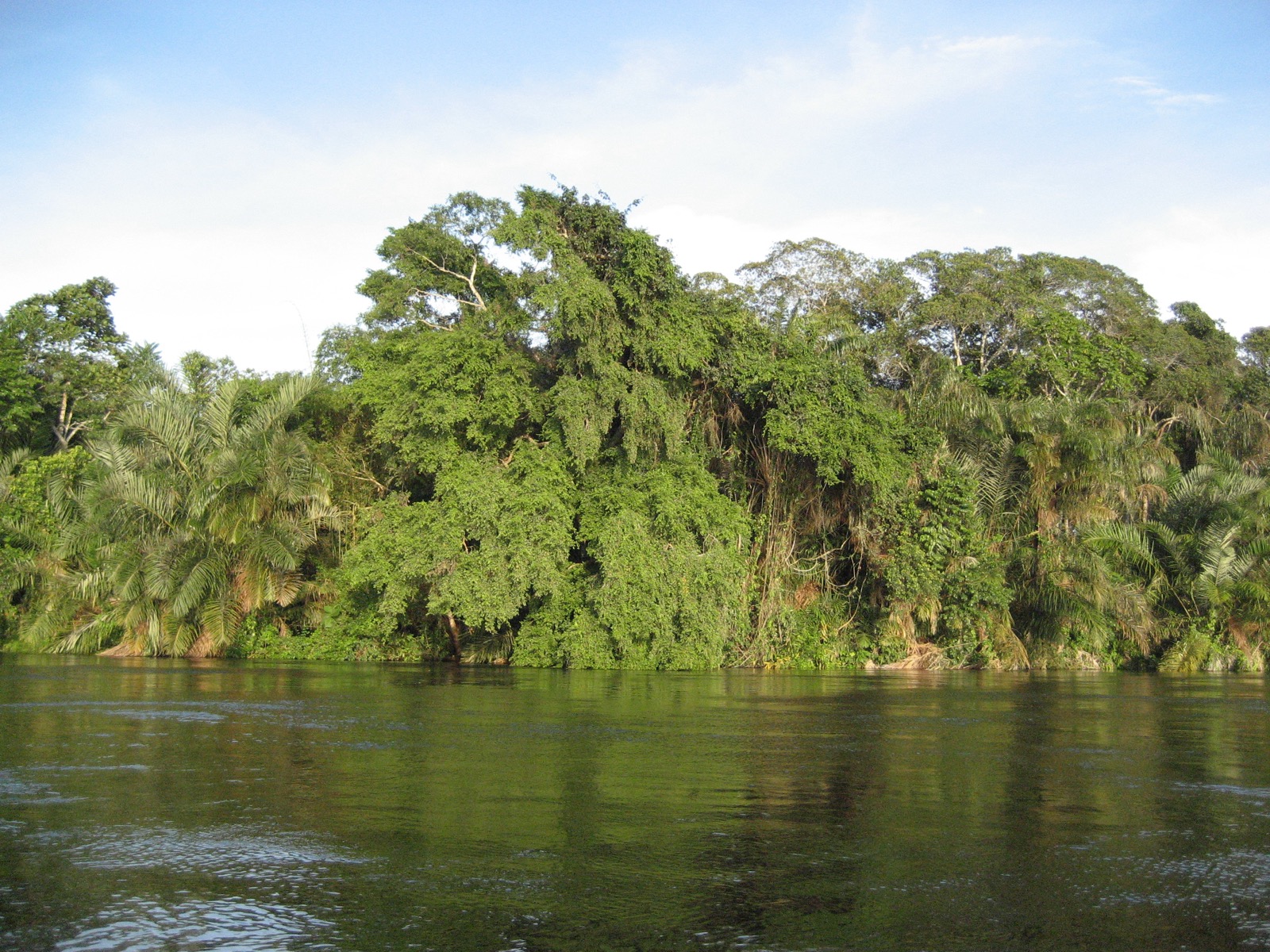
Image credit
Objectives
- Protect at least 100,000 km2 of additional primary tropical forest within the corridor
- Create around 500,000 new jobs across sustainable agriculture, energy, ecotourism and forestry
- Move about one million tonnes of food per year from the fertile Kivus to Kinshasa, easing food insecurity
- Convert conflict-affected eastern DRC from a war economy into a peace-oriented green economy
Approach
- Governance runs through the state conservation agency ICCN, with the Virunga Foundation holding a 25-year public-private partnership mandate for delegated, on-the-ground management.
- Renewable hydropower from the Congo River anchors a chain of green economic hubs, so forest protection is financed by sustainable production rather than extraction; oversight is built on annual independent environmental, financial and social audits, with an estimated financing need of at least USD 1 billion over three to four years (≈USD 100 million reported secured plus an EUR 42 million EU Global Gateway grant).
Sources
Inspect 6 sources
- weforum.org ↗https://www.weforum.org/stories/2025/01/congo-kivu-kinshasa-green-corridor/
- kivukinshasagreencorridor.org ↗https://kivukinshasagreencorridor.org/faq/
- international-partnerships.ec.europa.eu ↗https://international-partnerships.ec.europa.eu/news-and-events/news/global-gateway-green-corridor-preserving-last-lungs-earth-through-green-economic-growth-2025-01-22_en
- news.mongabay.com ↗https://news.mongabay.com/2026/04/from-virunga-to-kinshasa-the-drc-embarks-on-a-bold-conservation-gamble/
- globalvoices.org ↗https://globalvoices.org/2025/11/10/the-drcs-kivu-kinshasa-green-corridor-aims-to-create-a-new-green-economy-for-peace-and-sustainable-development/
- greenpeace.org ↗https://www.greenpeace.org/africa/en/press/56965/drc-green-corridor-project-greenpeace-africa-cautiously-welcomes-worlds-largest-forest-reserve-urges-inclusive-approach/
Explore related climate work
Find other projects and tools for monitoring, restoration and climate adaptation.
Browse projectsBrowse tools