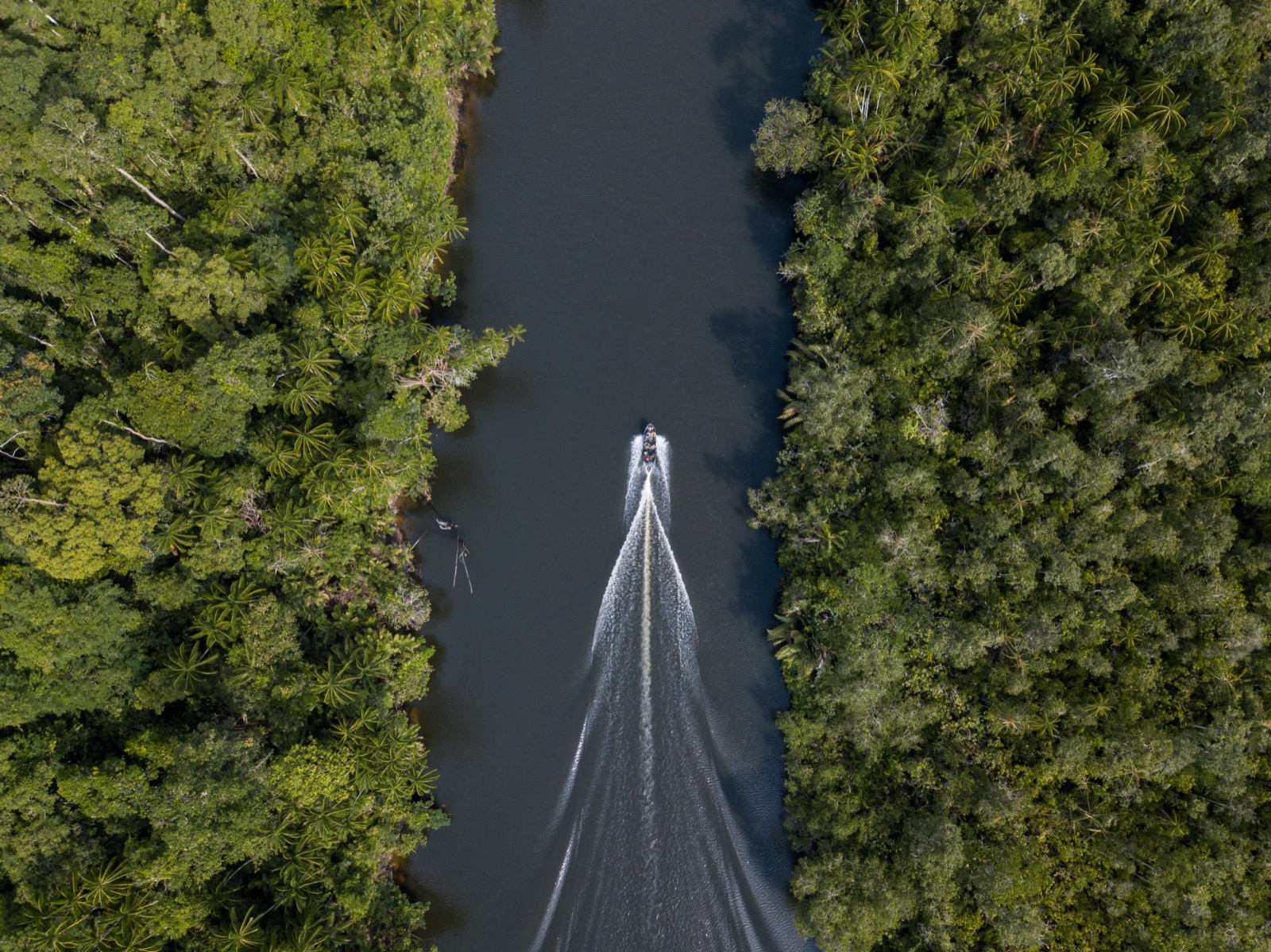
Khasi Hills Community REDD+
A federation of ten Khasi traditional governments protects and regenerates subtropical forest in Meghalaya under India's first Plan Vivo REDD+ project, running since 2011.
Image credit
Inside the project
The Khasi Hills Community REDD+ project is operated by the Ka Synjuk Ki Hima Arliang Wah Umiam Mawphlang Welfare Society, a federation of ten Khasi himas (traditional governments), with technical support from Bethany Society and WeForest.
It covers about 27,000 hectares of subtropical broadleaf forest in the East Khasi Hills and combines forest protection (REDD) with assisted natural regeneration across 62 communities.
Certified under Plan Vivo since 2011, it was India's first Plan Vivo REDD+ project and has issued more than 290,518 tCO2e of certificates, paying about 1.04 million USD to roughly 8,005 families.
Objectives
- Protect standing forest while regenerating degraded land through assisted natural regeneration.
- Distribute carbon payments to participating Khasi families and communities.
- Strengthen community forest governance across the federation of himas.
Approach
- Ten himas coordinate through the welfare society to govern forest use across 62 communities.
- The project blends REDD protection with assisted natural regeneration, so results reflect both avoided loss and active restoration.
- Plan Vivo certification ties issuance to community-managed activities, with payments tracked to participating families.
Sources
Inspect 2 sources
- planvivo.org ↗https://www.planvivo.org/khasi-hills
- weforest.org ↗https://www.weforest.org/programmes/special-projects/khasi-hills/
Explore related climate work
Find other projects and tools for monitoring, restoration and climate adaptation.
Browse projectsBrowse tools