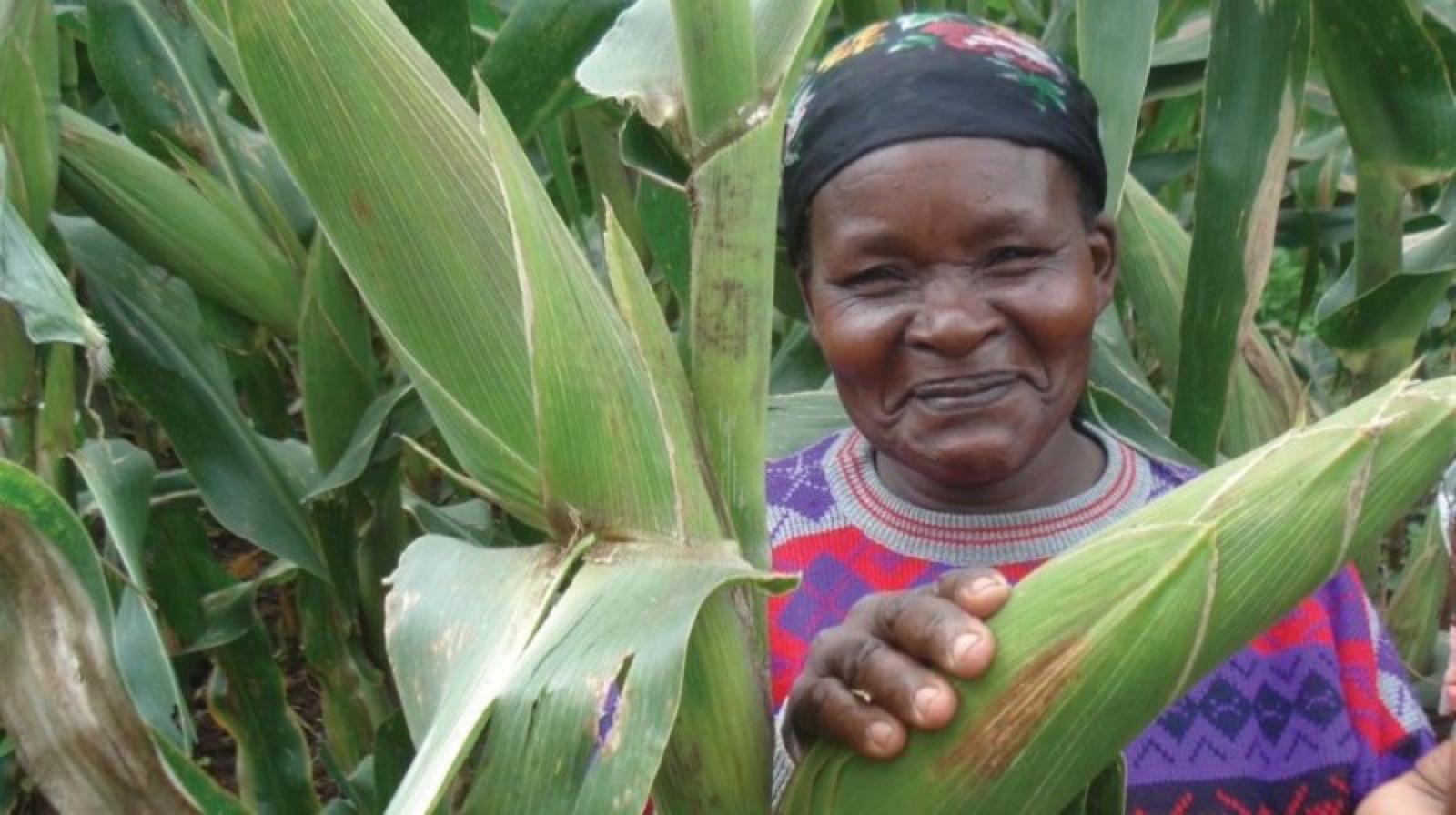
Kenya Agricultural Carbon Project (KACP)
In the Lake Victoria basin of western Kenya, around 60,000 smallholders farming plots under 2.5 hectares became the first in the world to certify soil-carbon credits from sustainable agriculture, and the first African project to store carbon in both trees and soil.
Image credit
Inside the project
The Kenya Agricultural Carbon Project works with around 60,000 smallholders in the western Kenya highlands who farm maize and bean plots under 2.5 hectares. Farmers adopt sustainable agricultural land management practices that build carbon in soil and trees.
Run by Vi Agroforestry with the World Bank BioCarbon Fund, it piloted Verra's VM0017 Sustainable Agricultural Land Management methodology, a precursor to VM0042, and was the world's first project to certify soil-carbon credits from smallholder sustainable agriculture.
Launched in 2009 with a 20-year crediting period, it covers roughly 45,000 hectares and was the first African project to store carbon in both trees and soil.
Objectives
- Build soil and tree carbon on smallholder maize-bean farms through improved land management.
- Pilot and prove a soil-carbon methodology for smallholder agriculture.
- Improve yields and resilience alongside carbon sequestration.
- Sustain measurement and crediting across a 20-year period.
Approach
- Sustainable Agricultural Land Management practices building carbon in soil and trees.
- The pilot VM0017 SALM methodology under Verra's VCS, a precursor to VM0042.
- Aggregation of roughly 60,000 sub-2.5-hectare smallholder plots.
- Partnership with the World Bank BioCarbon Fund as buyer.
Sources
Inspect 2 sources
- verra.org ↗https://verra.org/deep-dive-into-the-kenya-agricultural-carbon-project/
- viagroforestry.org ↗https://www.viagroforestry.org/projects/kacp/
Explore related climate work
Find other projects and tools for monitoring, restoration and climate adaptation.
Browse projectsBrowse tools