Kasigau Corridor REDD+
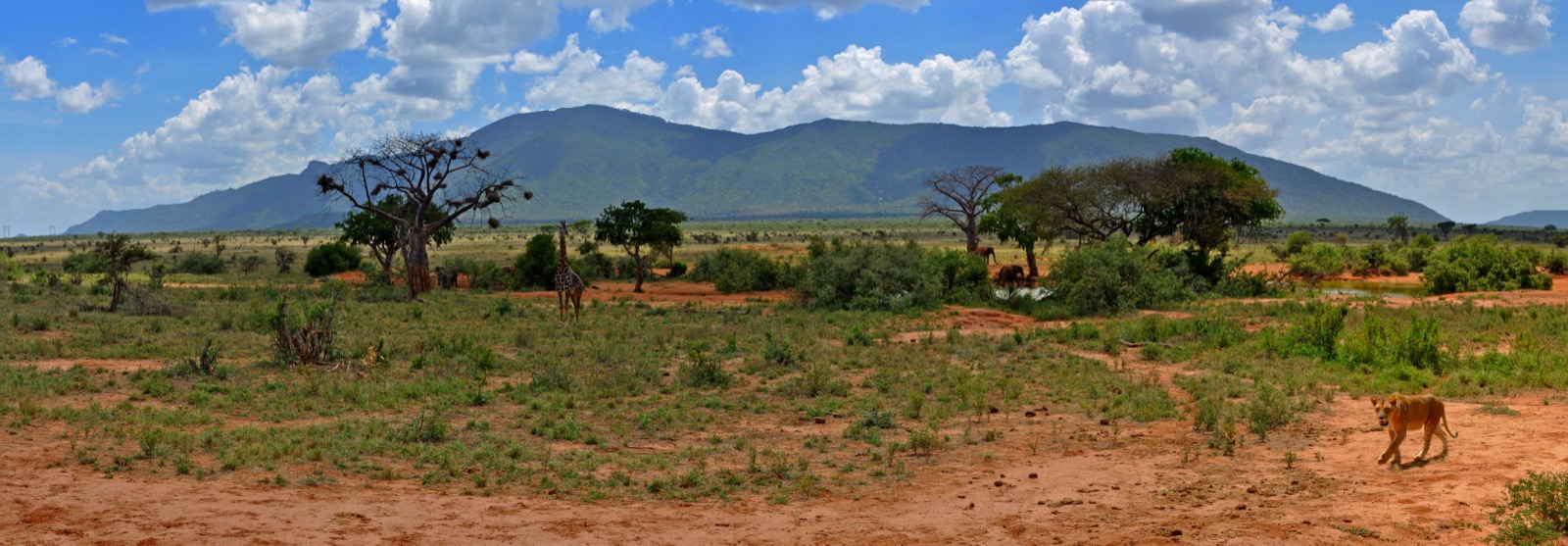
The Kasigau Corridor REDD+ Project protects about 200,000 hectares of dryland forest between Kenya's two Tsavo national parks and is one of the world's first REDD+ projects. Developed by Wildlife Works on a community-led model, it safeguards a vital wildlife corridor home to more than 2,000 elephants. Carbon revenue funds schools, water, bursaries and locally hired jobs across surrounding communities.
Image credit
Inside the project
Wildlife Works has worked at Kasigau since 1998, registering the Phase I Rukinga project and the larger Phase II community ranches as among the earliest VCS/CCB-certified REDD+ projects. The protected area keeps open a migration corridor between Tsavo East and Tsavo West, preventing the forest's conversion to slash-and-burn agriculture and charcoal production.
Verra's registry lists both phases as registered with Wildlife Works Carbon as proponent: Phase I at Rukinga (VCS 562, 30,169 hectares, crediting from 2005) and Phase II on the community ranches (VCS 612, 169,741 hectares, crediting from 2010). As viewed in September 2026 they show 4,002,960 and 18,163,637 units issued.
The project model channels carbon finance directly into the surrounding community: more than 400 conservation jobs have been created, a garment factory employs locally hired workers, and social programs reach over 116,000 people. Outcomes cited include 15 new schools, clean drinking water for around 25,000 people, hundreds of student bursaries and the formation of 500 women's groups.
The corridor sustains exceptional wildlife including over 2,000 African elephants alongside lions, Grevy's zebra, Cape buffalo and more than 300 bird species, making it both a biodiversity stronghold and a buffer that reduces human-wildlife conflict around the Tsavo parks.
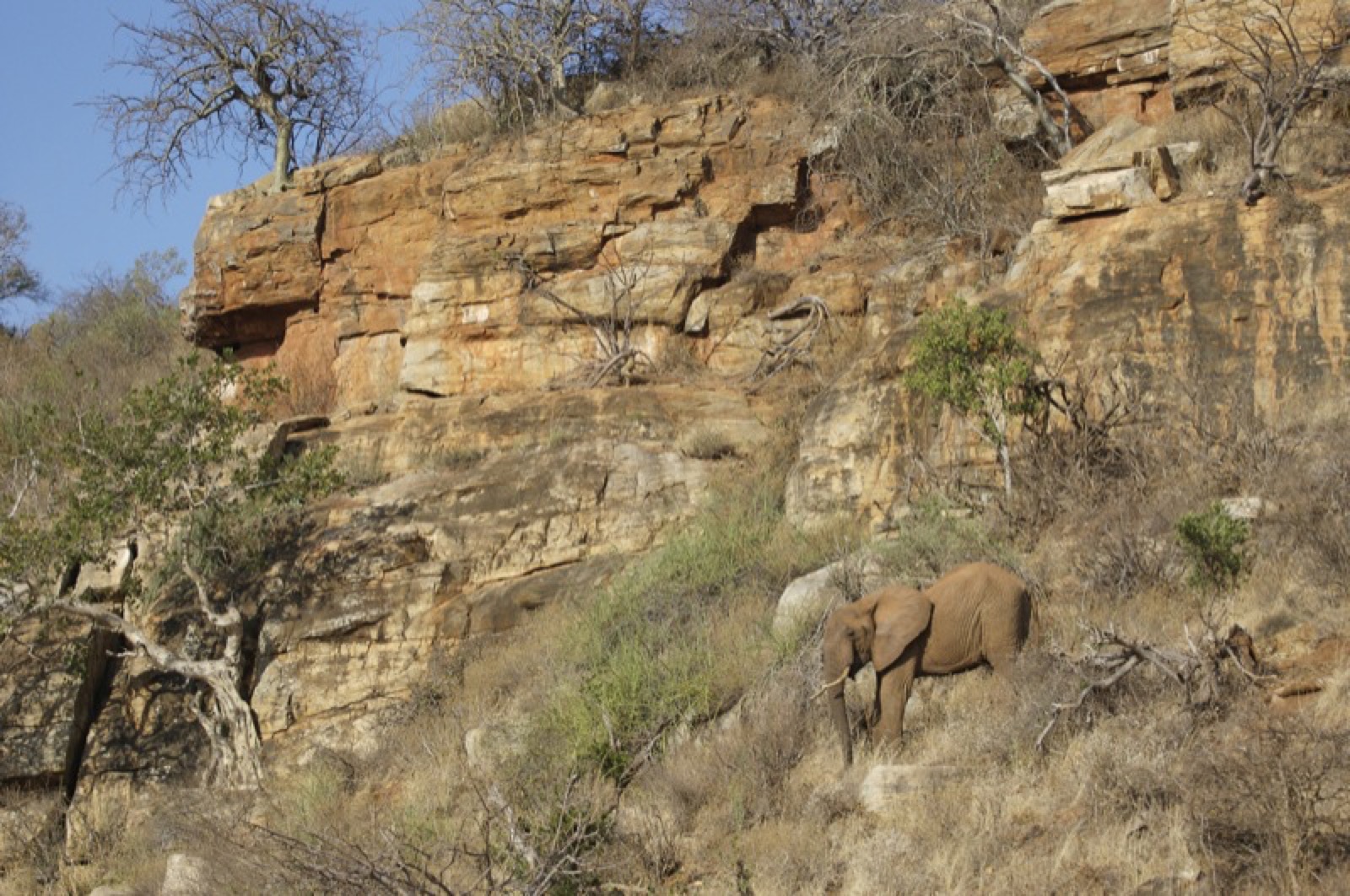
Image credit
Objectives
- Protect the dryland forest corridor linking Tsavo East and Tsavo West from deforestation
- Generate carbon finance to fund community development and conservation jobs
- Reduce human-wildlife conflict and safeguard elephant and large-mammal habitat
- Build sustainable, community-led livelihoods that replace charcoal and bushmeat
Approach
- Verified under Verra's VCS for emission reductions plus CCB (Gold) for community and biodiversity benefits and SD VISta, with periodic independent third-party verification. Deforestation is tracked against a regional baseline using satellite monitoring and field plots, supplemented by ranger patrols and biodiversity surveys.
Published documents
Independent evaluation: Verra Review Findings — Kasigau Corridor Projects →Monitoring report: The Kasigau Corridor REDD Project, Phase I Rukinga Sanctuary, Verra registry page (VCS 562) →Monitoring report: The Kasigau Corridor REDD Project, Phase II The Community Ranches, Verra registry page (VCS 612) →
Sources
Inspect 5 sources
- wildlifeworks.com ↗https://www.wildlifeworks.com/redd-projects/kasigau-kenya
- verra.org ↗https://verra.org/verra-completes-review-of-kasigau-projects/
- climatepositive.com ↗https://climatepositive.com/blogs/projects/the-kasigau-corridor-redd-project-phase-ii
- registry.verra.org ↗https://registry.verra.org/app/projectDetail/VCS/562
- registry.verra.org ↗https://registry.verra.org/app/projectDetail/VCS/612
Explore related climate work
Find other projects and tools for monitoring, restoration and climate adaptation.
Browse projectsBrowse tools