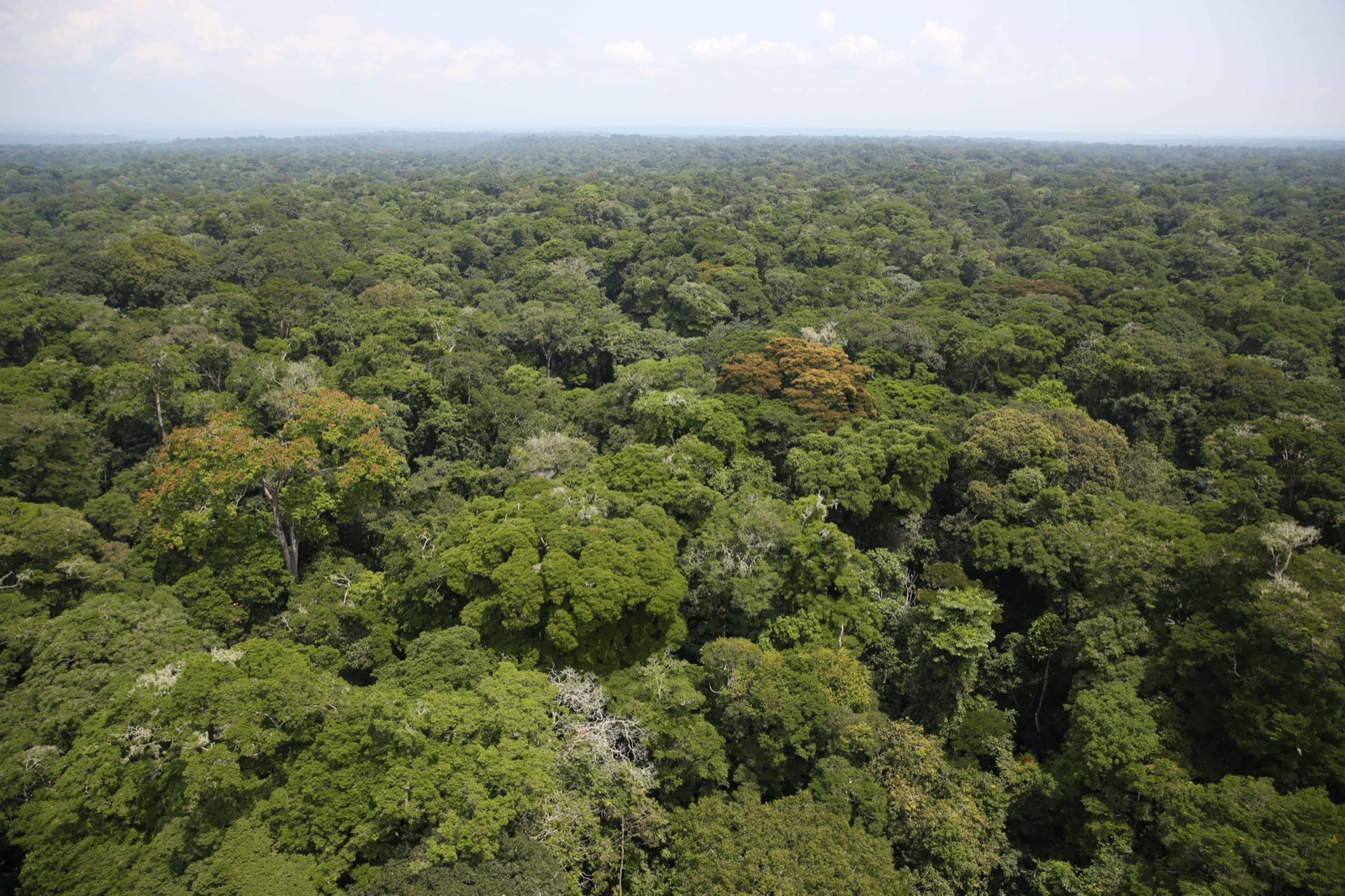
Isangi REDD+ Project
One of DR Congo's first REDD+ projects, certified by Verra in 2014 on former Safbois logging concessions near Isangi, the project sold roughly 1.4 million carbon credits before the DRC government cancelled its concession in 2024 and Verra's registry now lists the project as withdrawn. Independent journalists and Verra itself have raised questions about whether claimed emissions reductions actually occurred.
Image credit
Inside the project
The Isangi REDD+ project (Verra VCS ID 1359), also called the Jadora REDD+ project, was an avoided-deforestation and sustainable forest management project on land that had been two industrial logging concessions operated since 2004 by Société Africaine de Bois (Safbois).
In 2009 the carbon rights to the remaining forest were transferred to US-based Jadora LLC; reported project area figures range from about 187,571 hectares (project documentation) to roughly 201,731 hectares (project databases), with the wider concession footprint cited around 348,000 hectares.
Verra validated and verified the project to the VCS and Climate, Community & Biodiversity (CCB) Standards in September 2014, with a crediting period running 2009–2038; first credits were sold in May 2015.
After Jadora CEO Donald Tuttle died, Safbois moved to buy Jadora and the project's carbon rights (process begun August 2017, completed around May 2018), bringing it under the control of Safbois shareholders Daniel, David and James Blattner.
As viewed in September 2026, Verra's registry lists VCS 1359 as withdrawn, with 1,391,623 units issued, 1,291,248 retired and 308,284 contributed to the buffer.
Image credit
Objectives
- Reduce greenhouse-gas emissions from deforestation and forest degradation across the Congo Basin rainforest in the Isangi concessions.
- Address deforestation drivers including fuelwood, agricultural expansion and subsistence farming.
- Deliver community benefits such as schools, roads, healthcare and clarified land tenure alongside carbon revenue.
- Generate verified VCS carbon credits over a 2009–2038 crediting period.
Approach
- REDD+ avoided-deforestation methodology under Verra's VCS, with credits backed by a buffer pool held as insurance against reversals and carbon accounted across above-ground biomass, dead wood, litter and soil organic carbon pools.
- Community-development interventions (employment, monetary benefits, tenure clarification) were intended to reduce deforestation pressure, with periodic monitoring and verification reports filed to the Verra registry over the crediting period.
Published documents
Independent evaluation: Isangi REDD+ Project (analysis of DRC's cancellation and community grievances) →Academic study: Action needed to make carbon offsets from tropical forest conservation work for climate change mitigation →Independent evaluation: REDD+ projects falling far short of claimed carbon cuts, study finds →Independent evaluation: Isangi REDD+ Project, Verra registry page (VCS 1359) →
Sources
Inspect 7 sources
- reddprojectsdatabase.org ↗https://www.reddprojectsdatabase.org/303-isangi-redd-project/
- reddmonitor.substack.com ↗https://reddmonitor.substack.com/p/the-blattner-familys-isangi-redd
- reddmonitor.substack.com ↗https://reddmonitor.substack.com/p/isangi-redd-project-emissions-reductions
- reddmonitor.substack.com ↗https://reddmonitor.substack.com/p/people-in-isangi-wonder-why-they
- pulitzercenter.org ↗https://pulitzercenter.org/stories/carbon-credits-congo-cost-capture-part-1
- registry.verra.org ↗https://registry.verra.org/app/projectDetail/VCS/1359
- carbonmap.com ↗https://carbonmap.com/Isangi-REDD+-Project/
Explore related climate work
Find other projects and tools for monitoring, restoration and climate adaptation.
Browse projectsBrowse tools