Eden: People+Planet
Eden: People+Planet is a US-based reforestation nonprofit, founded in 2005, that fights deforestation and extreme poverty by paying local villagers to grow, plant and protect trees. It has planted well over 900 million trees across Africa, Asia and Latin America, with mangrove restoration in Madagascar, Mozambique and Indonesia at the heart of its work. In June 2024 it rebranded from Eden Reforestation Projects to Eden: People+Planet to reflect a shift toward holistic landscape restoration and carbon finance.
Image credit
Inside the project
Eden's signature is its 'Employ to Plant' model: rather than relying on volunteers or contractors, it hires people from the communities living next to degraded land and trains them in seed collection, nursery management, planting and forest guarding at a fair local wage. The premise is that durable restoration depends on the people who live with the forest having a direct economic stake in keeping it alive, which is why employment and protection, not just planting, are core to the method.
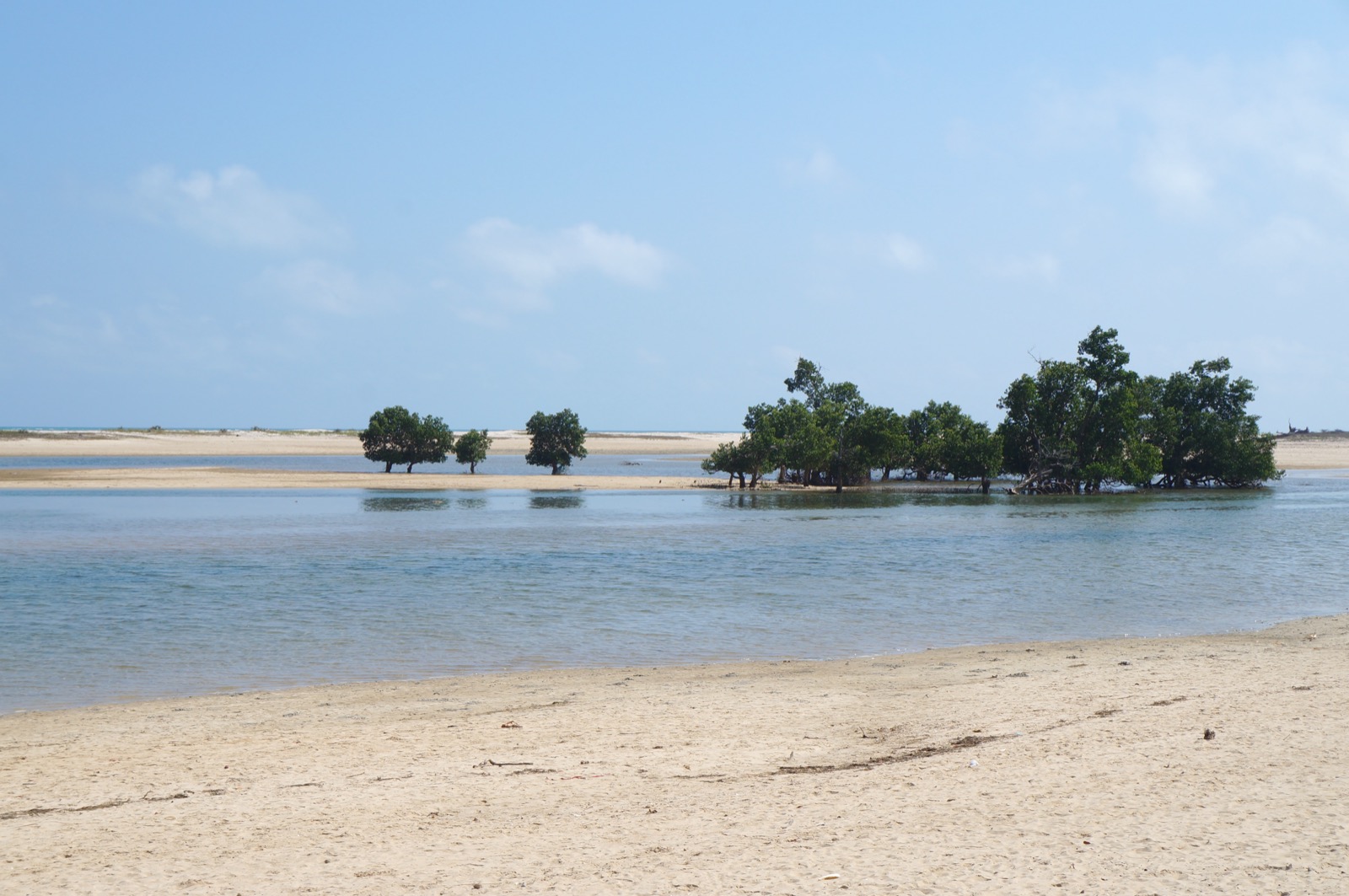
Mangroves are a particular focus. Eden began restoring mangrove forests around Mahajanga in northwest Madagascar in 2007, with crews collecting propagules and replanting estuaries at low tide; mangrove sites are also under active management around the Maputo region of Mozambique and in Indonesia. Mangroves are prized because they sequester carbon several times faster than most tropical forests and shield coastlines from storms and erosion, and Eden reports initial survival rates above 80% at its mangrove sites in Madagascar, Indonesia and Mozambique.
Cumulatively Eden has planted well over 900 million trees since 2005 (over 977 million as reported on its Wikipedia profile), planting on the order of 15 million trees a month and closing in on the one-billion milestone. Independent analysts note a general caveat for tree-planting programs like Eden's: headline 'trees planted' counts are an input metric, and because species mix, growth rates and survival vary by site, planted totals do not translate directly into mature trees or sequestered carbon without long-term monitoring. Eden publicly reports the number and location of its trees and holds a 4-star Charity Navigator rating and a Candid Platinum transparency seal.

Image credit
Objectives
- Restore degraded mangrove, dry-deciduous and montane forest landscapes across Africa, Asia and Latin America
- Alleviate extreme poverty by providing fair-wage employment to local communities through the 'Employ to Plant' model
- Protect planted and natural forest to maturity through community guarding and long-term (up to 40-year) partnerships
- Generate verified climate, biodiversity and socioeconomic benefits, increasingly via carbon-credit-eligible projects
Approach
- Eden uses a standards-based Landscape Restoration methodology layered on top of its 'Employ to Plant' workforce model. Local field teams run nurseries, collect and plant native species (including mangrove propagules replanted at low tide), and then guard the sites against grazing, cutting and fire so trees survive to maturity. Restoration is coupled with regular coordination, weekly calls, field visits and on-the-ground monitoring and reporting, and Eden publicly discloses the number and location of trees it plants.
- As Eden has rebranded toward Eden: People+Planet, it has moved toward carbon-eligible, verified landscape-restoration projects under 40-year community agreements, with measurement framed around carbon, biodiversity and socioeconomic outcomes rather than planting counts alone. Independent reviewers caution that survival and carbon impact still depend on long-term, species-aware monitoring, since planted-tree totals are an input rather than a guaranteed outcome.
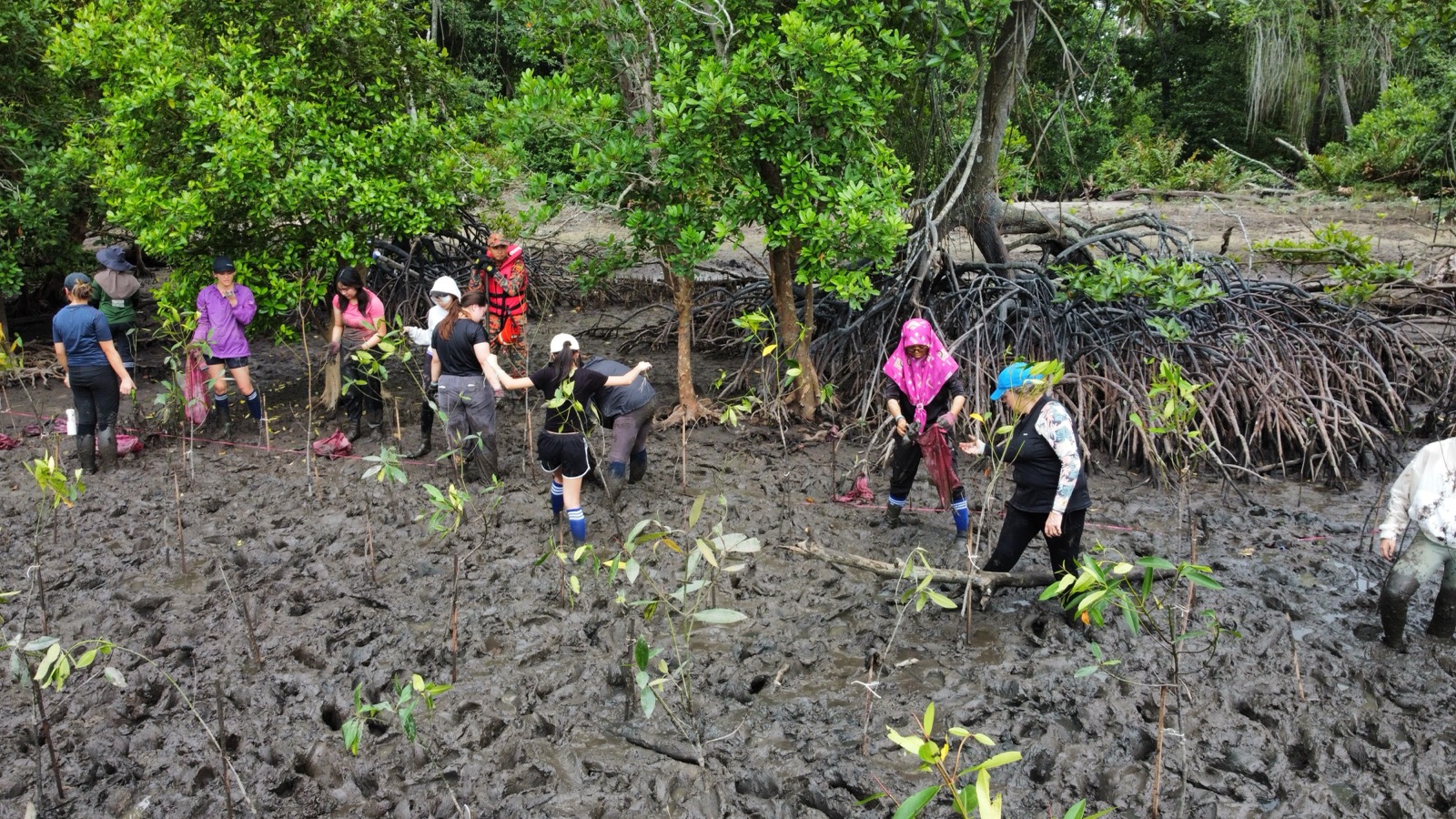
Image credit
Published documents
Sources
Inspect 5 sources
- en.wikipedia.org ↗https://en.wikipedia.org/wiki/Eden_Reforestation_Projects
- eden-plus.org ↗https://eden-plus.org/about/
- eden-plus.org ↗https://eden-plus.org/2024/12/09/2024-end-of-year-recap/
- bezosearthfund.org ↗https://www.bezosearthfund.org/grants/accelerating-restoration-in-kenya-madagascar-and-mozambique
- charitynavigator.org ↗https://www.charitynavigator.org/ein/954804581
Explore related climate work
Find other projects and tools for monitoring, restoration and climate adaptation.
Browse projectsBrowse tools