EcoMakala-Virunga
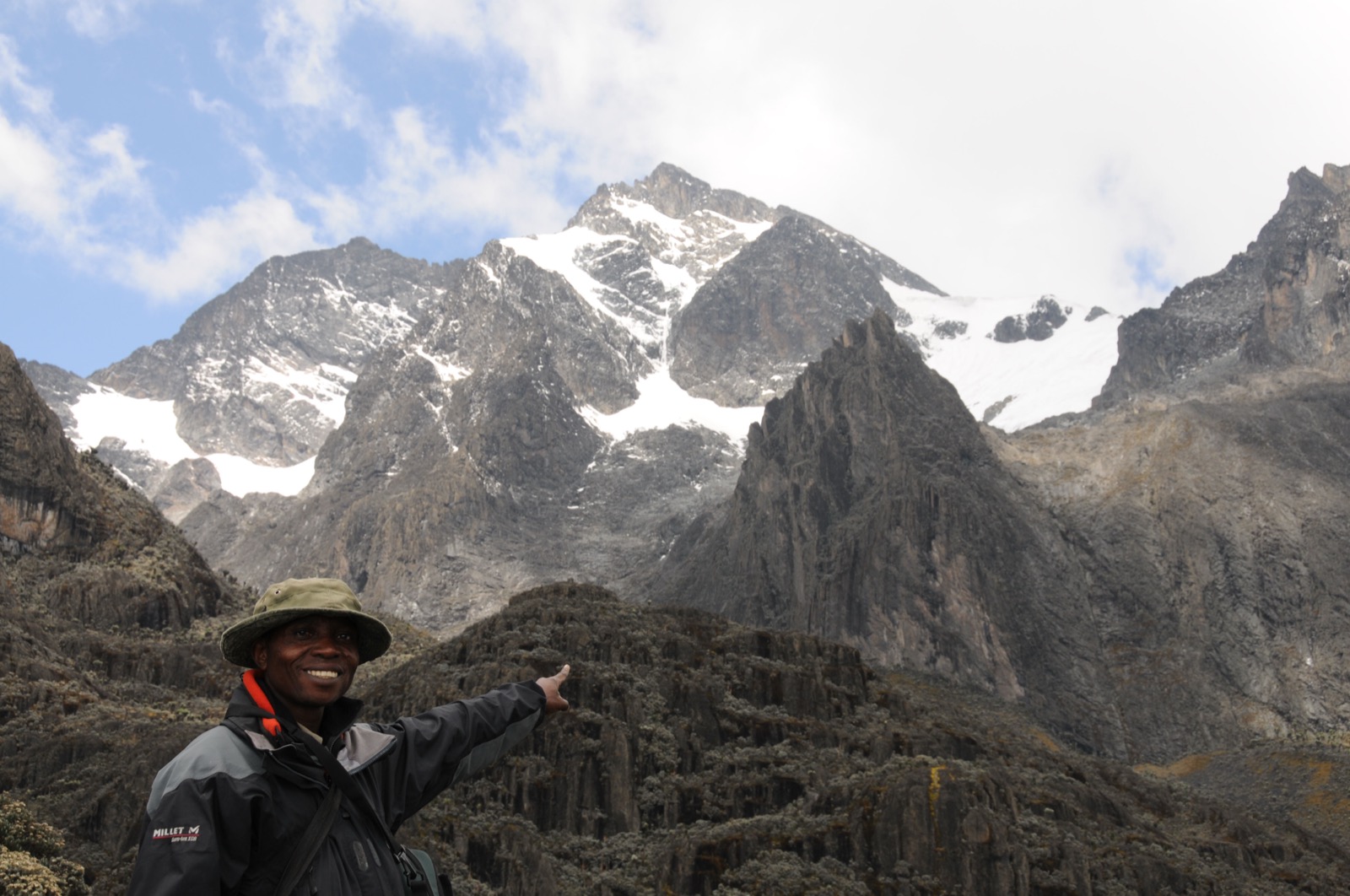
Since 2007, WWF's EcoMakala project has planted fast-growing trees around Virunga National Park so eastern DRC's cities can buy legal, sustainable charcoal (makala) instead of fuel cut illegally from one of Africa's oldest parks.
Image credit
Inside the project
Around Goma, more than 90% of households depend on charcoal for cooking, and historically about 80% of that demand was met by illegal cutting inside Virunga National Park, a UNESCO World Heritage site established in 1925.
EcoMakala, launched by WWF in 2007 (with improved-stove and plantation work scaling from 2008-2009), develops tree plantations on degraded land outside the park to supply legally produced charcoal, paired with efficient cookstoves that halve fuel use.
The project is Gold Standard certified, turning reforestation and avoided emissions into carbon credits, and won the Ashden Award (2013) and the Energy Globe Award (2016).
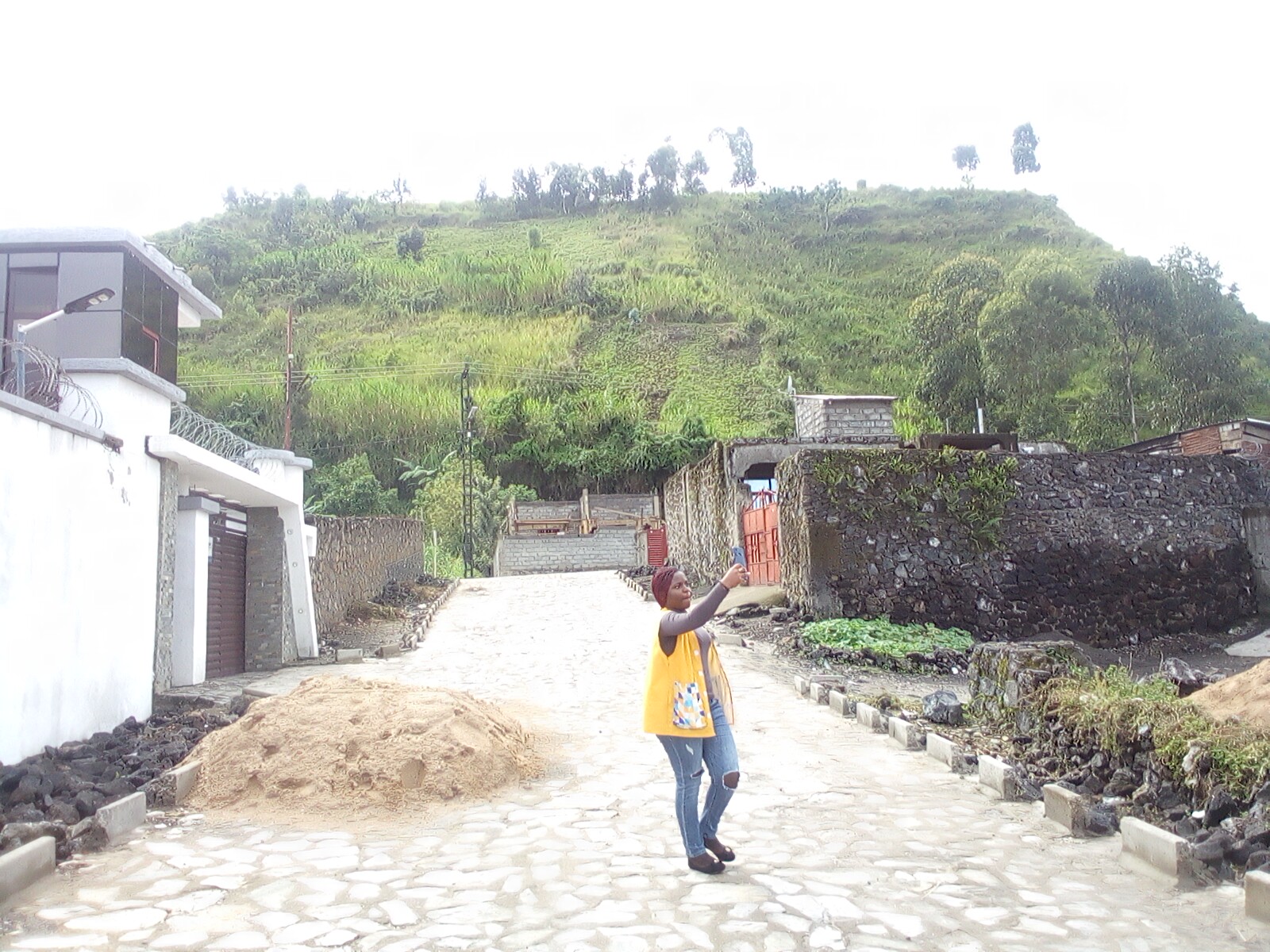
Image credit
Objectives
- Cut illegal deforestation inside Virunga National Park by creating a legal, sustainable charcoal supply outside it.
- Reforest the park's periphery and restore degraded land in North Kivu.
- Distribute efficient cookstoves to reduce household charcoal demand and indoor smoke.
- Generate income for smallholder tree-planters and finance the work through Gold Standard carbon credits.
Approach
- Sign reforestation contracts with smallholder farmers (6,199 contracts; ~4,900 planters) to grow fast-growing species such as eucalyptus and grevillea on plots under 5 hectares, organised through 60+ local peasant associations and 130+ community groups across Masisi, Rutshuru, Lubero and Beni.
- Promote and sell improved cookstoves in Goma (50,000+ stoves sold by 2013) that use about half the charcoal for the same heat, and certify the carbon benefit to Gold Standard so credit sales co-finance plantations and stoves.
Sources
Inspect 5 sources
- ecomakala.org ↗https://www.ecomakala.org/
- co2logic.com ↗https://www.co2logic.com/news/co2logic-wwf-protect-virunga-national-park
- ashden.org ↗https://ashden.org/awards/winners/wwf-drc/
- wwfdrc.org ↗https://wwfdrc.org/?32626%2FAgroforesterie-et-production-denergie-durable-au-cur-de-la-success-story-du-WWF-a-lEst-de-la-RDC=
- centralafricanforests.org ↗https://www.centralafricanforests.org/wp-content/uploads/CAFF_ENG_24_Charcoal.pdf
Explore related climate work
Find other projects and tools for monitoring, restoration and climate adaptation.
Browse projectsBrowse tools