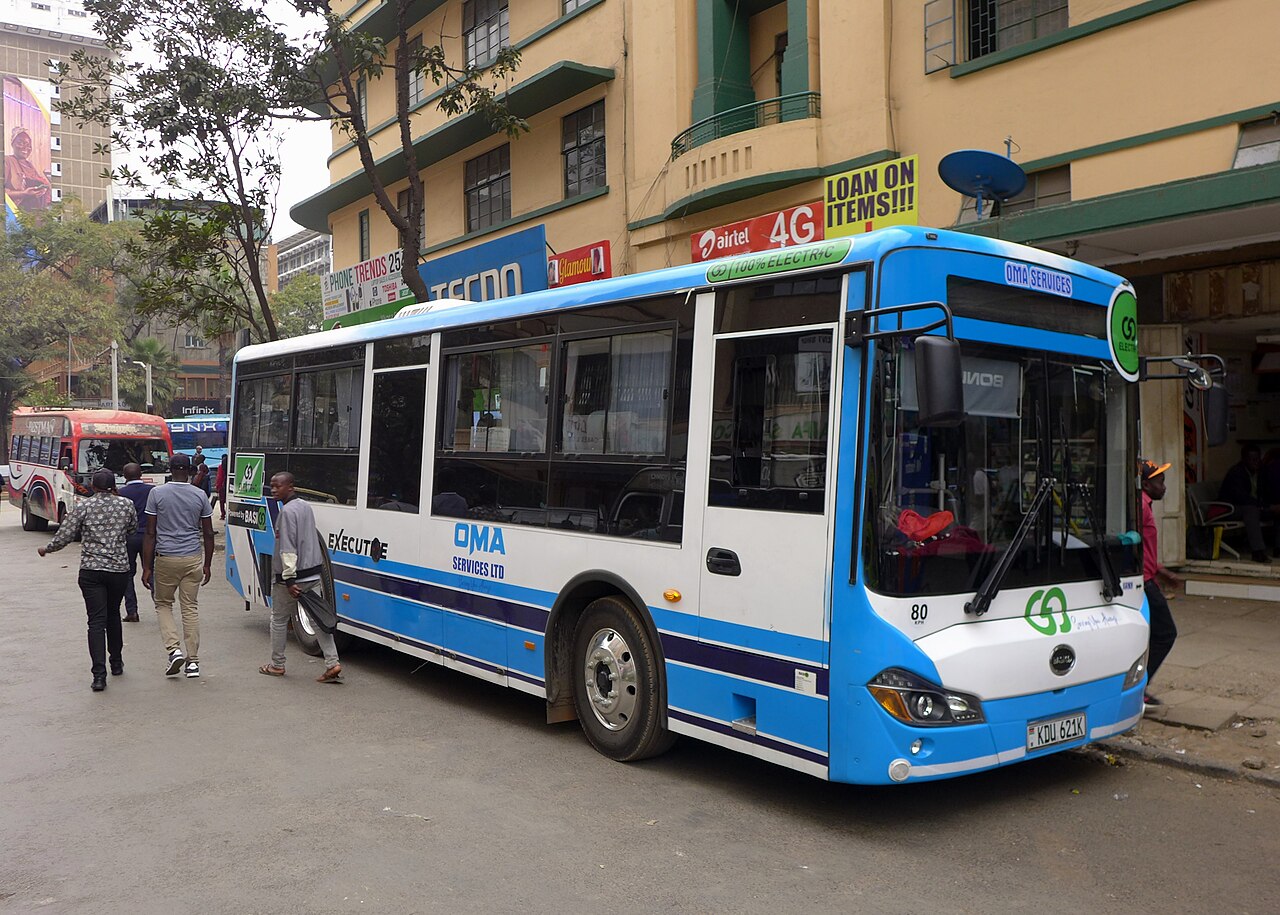
BasiGo electric buses
BasiGo electrifies public transport in Kenya and Rwanda by supplying electric buses to private operators. Its site counts 114 buses in operation, more than 7 million electric kilometres and 9.7 million passengers carried.
Image credit
Inside the project
Operators pay per kilometre under a Pay-As-You-Drive lease instead of buying the bus outright, which removes the upfront cost barrier of an electric vehicle.
BasiGo reports 3,198 tonnes of CO2 and 1.4 million litres of diesel avoided, and names Rubis Energy Kenya among partners expanding its charging network.
BasiGo’s 20 July 2026 announcement with Rubis Energy Kenya reports the Sabaki charging site operational, with Meru, Nanyuki and Nyeri planned later that month. Completion of those three planned sites was not established by this check.
Objectives
- Replace diesel buses and matatus with electric buses
- Lower the upfront cost of electric buses for private operators
Approach
- Buses are leased on a pay-per-kilometre basis bundled with charging and maintenance, so operators keep running costs predictable.
Sources
Inspect 2 sources
- basi-go.com ↗https://www.basi-go.com/
- basi-go.com ↗https://www.basi-go.com/in-the-news/basigo-launches-rwandas-first-intercity-dc-fast-charging-station-unlocking-long-distance-ev-travel-ntejh
Documented by one public source so far.
Explore related climate work
Find other projects and tools for monitoring, restoration and climate adaptation.
Browse projectsBrowse tools