
San Crisanto / Yucatán Blue Carbon
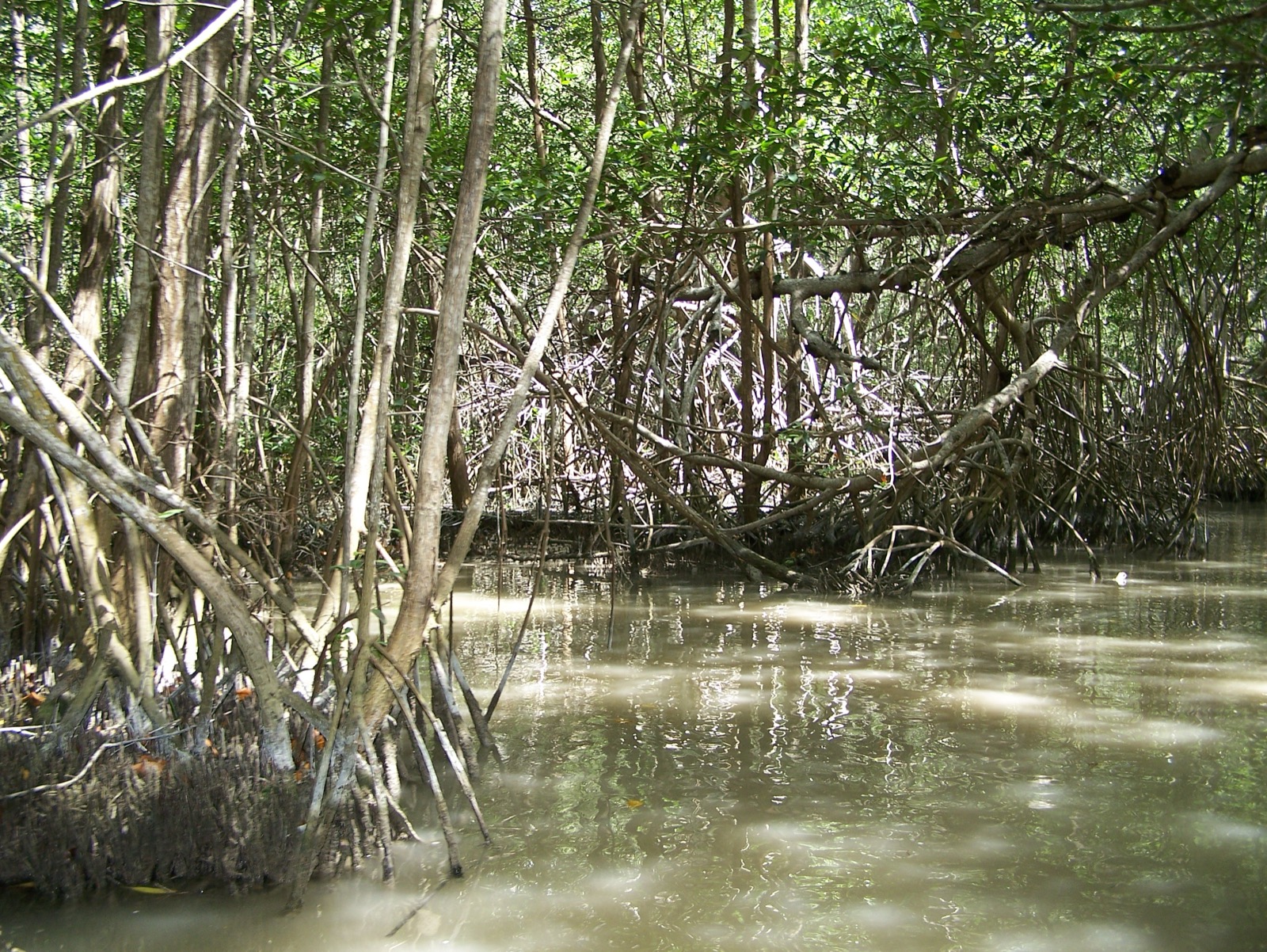
After Hurricane Isidore destroyed roughly 99% of local mangroves in 2002, the San Crisanto community replanted and reopened canals to revive the ecosystem. The project now conserves and restores about 700 hectares of mangrove, certified under the Climate Action Reserve's Mexico Forest Protocol with first credits issued in 2022. It links carbon finance to community livelihoods, biodiversity and water-system maintenance.
Inside the project
Run by the community-based San Crisanto Foundation, established in 2001, the project covers roughly 700 hectares of mangrove on the northern Yucatán coast and serves about 150 Mayan families.
It is one of Mexico's pioneering certified blue carbon projects, quantified under the Climate Action Reserve Mexico Forest Protocol, with first credit issuance in April 2022 and a second in April 2023.
Co-benefits span eco-tourism and restoration jobs, rehabilitated cenotes and drained canals, and protection of fish, birds and Morelet's crocodile.
Objectives
- Conserve and restore around 700 ha of mangrove and maintain canals and cenotes
- Generate verified blue carbon credits to fund community development
- Protect biodiversity and the local freshwater systems
- Build community capacity and eco-tourism livelihoods
Approach
- Carbon is quantified under the CAR Mexico Forest Protocol, with baseline sampling, biomass and carbon calculations, defined reporting periods and independent third-party verification.
- Ecological monitoring includes annual mangrove assessments plus tracking of fish, bird and Morelet's crocodile populations.
Sources
https://climateseed.com/mangrove-conservation-and-restoration-in-san-crisanto · https://earthjournalism.net/stories/mexicos-blue-carbon-pioneers-progress-despite-lack-of-state-support · https://www.csmonitor.com/Environment/2021/1112/In-Mexico-locals-invest-in-mangroves-to-help-cool-the-planet
Run a project like this on Straatos.
See how a project like San Crisanto / Yucatán Blue Carbon runs on Straatos, from field data and satellite analytics through registry submission to the issued credit.