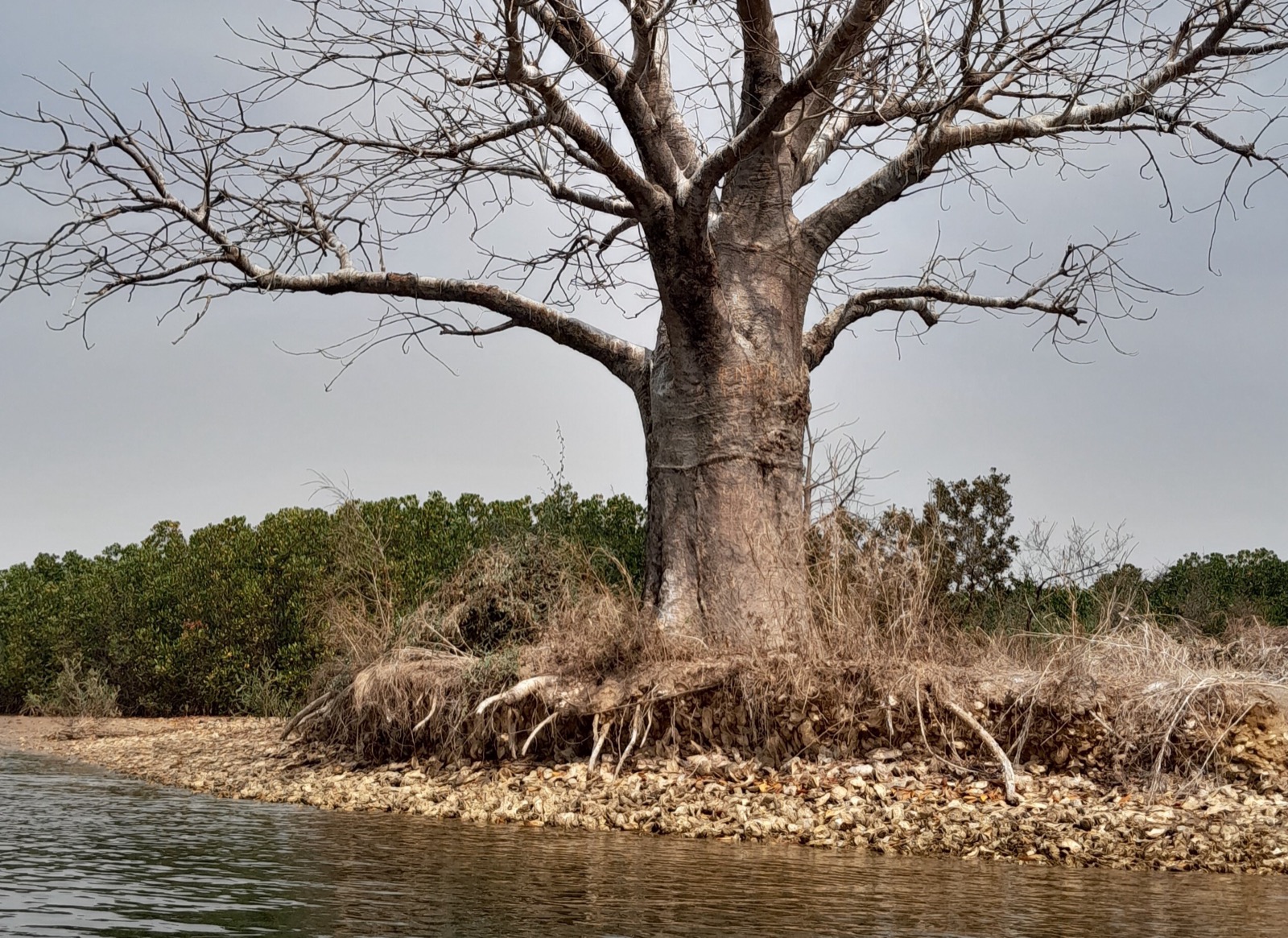
WeForest Casamance & Sine-Saloum
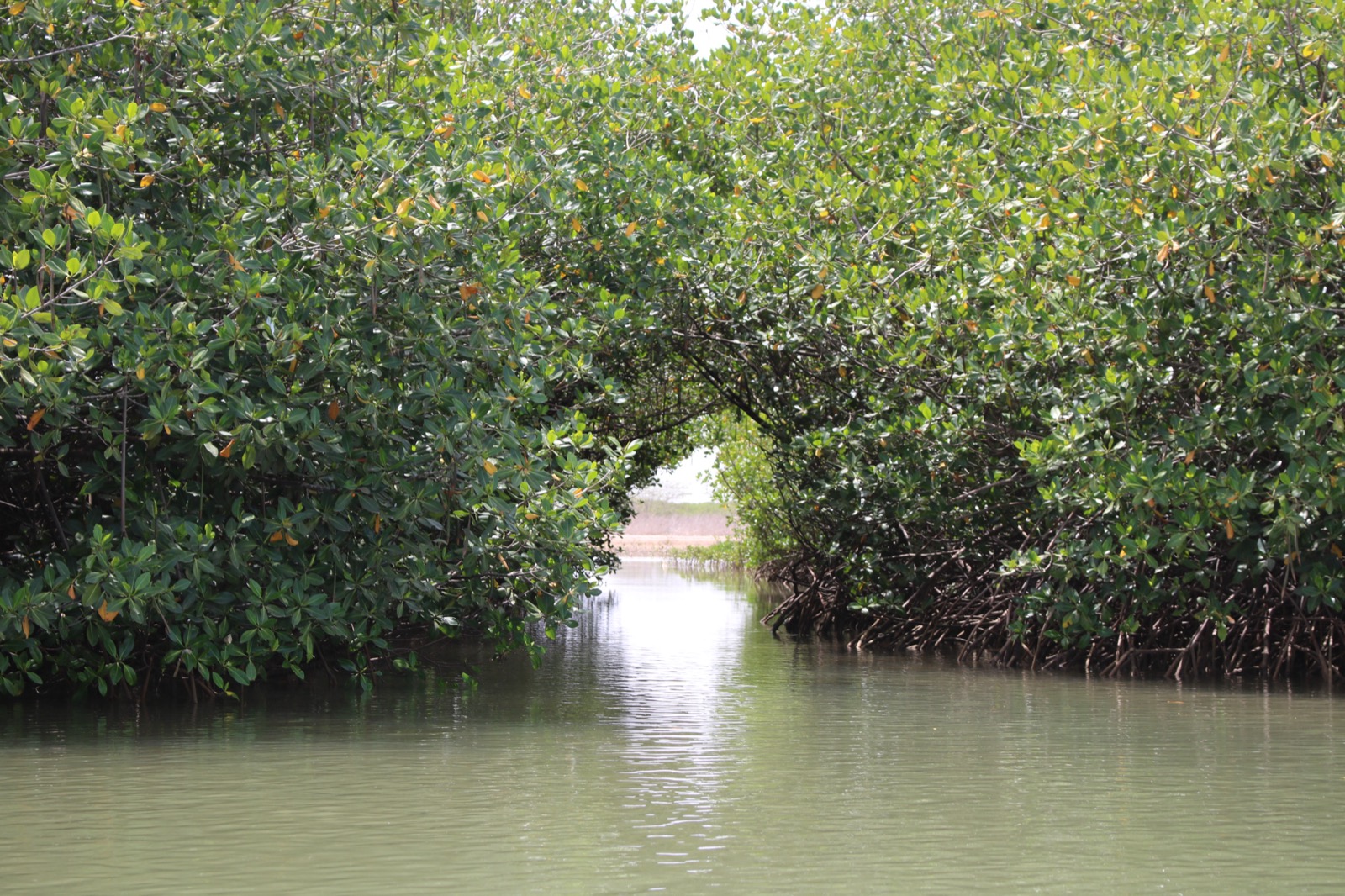
WeForest, with the restoration NGO Océanium and socio-economic partner Eclosio, is restoring degraded mangroves across Senegal's Casamance estuary and Sine-Saloum Delta. The program plants four mangrove species at up to 5,000 trees per hectare over roughly 7,000 hectares combined, certified under Verra's VCS and CCB standards, pairing carbon sequestration with restored fisheries and shellfish livelihoods.
Inside the project
The Casamance and Sine-Saloum estuaries were once dense with mangroves before the 1968-1994 droughts and decades of cutting for firewood and charcoal degraded them. WeForest works with Océanium, the NGO behind Senegal's historic large-scale replanting, to actively restore these tidal forests, re-establishing biodiversity and protecting coastal villages from storms and erosion.
Restoration uses direct propagule planting of Rhizophora species plus nursery-grown Avicennia, at densities up to 5,000 trees per hectare. Eclosio runs the socio-economic program, sustaining mangrove-friendly fishing and farming and traditional practices such as salt production in Djilass, with women central to planting and shellfish collection.
The program is certified under Verra VCS and CCB, targeting carbon removals alongside measurable gains in fish and shellfish productivity. WeForest publishes annual progress reports and from 2026 is rolling out drone-based monitoring across both sites.
Objectives
- Restore ~7,000 ha of degraded mangrove across two estuaries
- Replant four mangrove species at high planting densities
- Rebuild fisheries and shellfish livelihoods for coastal villages
- Sustain traditional salt production and mangrove-friendly farming
- Deploy drone-based restoration monitoring
Approach
- Restoration combines direct propagule planting of Rhizophora and nursery-grown Avicennia with VCS/CCB field measurement, species and density tracking, and socio-economic reporting delivered by Eclosio.
- From 2026 the program adds drone-based monitoring across both the Sine-Saloum and Casamance sites to track survival and canopy recovery at scale.
Run a project like this on Straatos.
See how a project like WeForest Casamance & Sine-Saloum runs on Straatos, from field data and satellite analytics through registry submission to the issued credit.