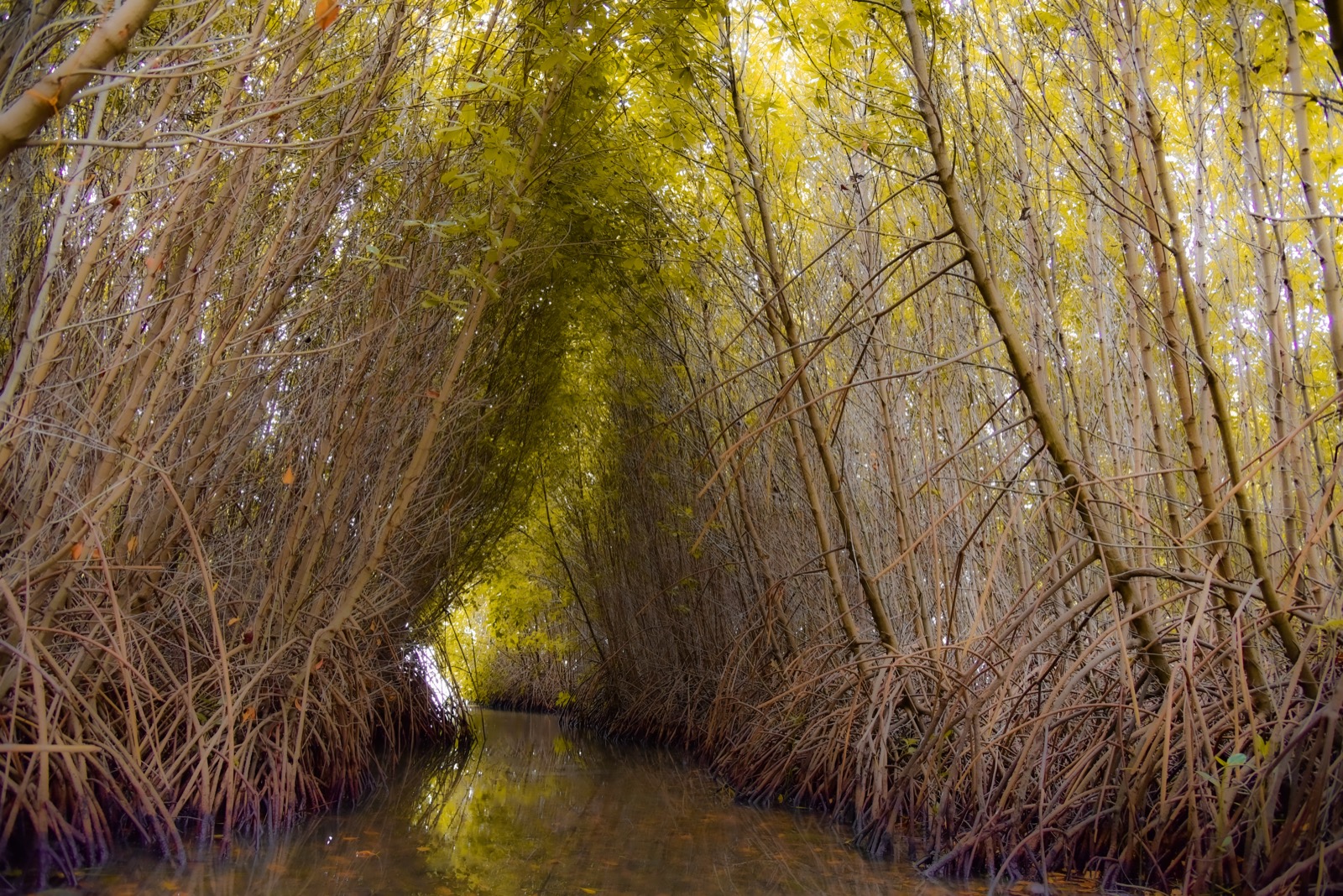
Sri Lanka Mangrove Restoration
Sri Lanka's national mangrove initiative aims to restore 10,000 hectares by 2030, a more than 50% increase in national cover, and in February 2024 was named one of seven UN World Restoration Flagships. The country was the first nation to legally protect all of its mangroves, in 2015. The programme is shifting from simple tree-planting toward science-based assisted natural regeneration tied to coastal livelihoods.
Image credit
Inside the project
Recognised on 13 February 2024 as a UN World Restoration Flagship under the UN Decade on Ecosystem Restoration, the initiative builds on Sri Lanka's 2015 status as the first country to legally protect all its mangroves.
It targets restoration of 10,000 hectares by 2030, more than a 50% increase in national mangrove cover, with roughly 500 hectares already restored since inception.
Emphasis has moved away from mass planting toward natural regeneration, measured by ecological success rather than seedlings planted, and tied to coastal household income and jobs.
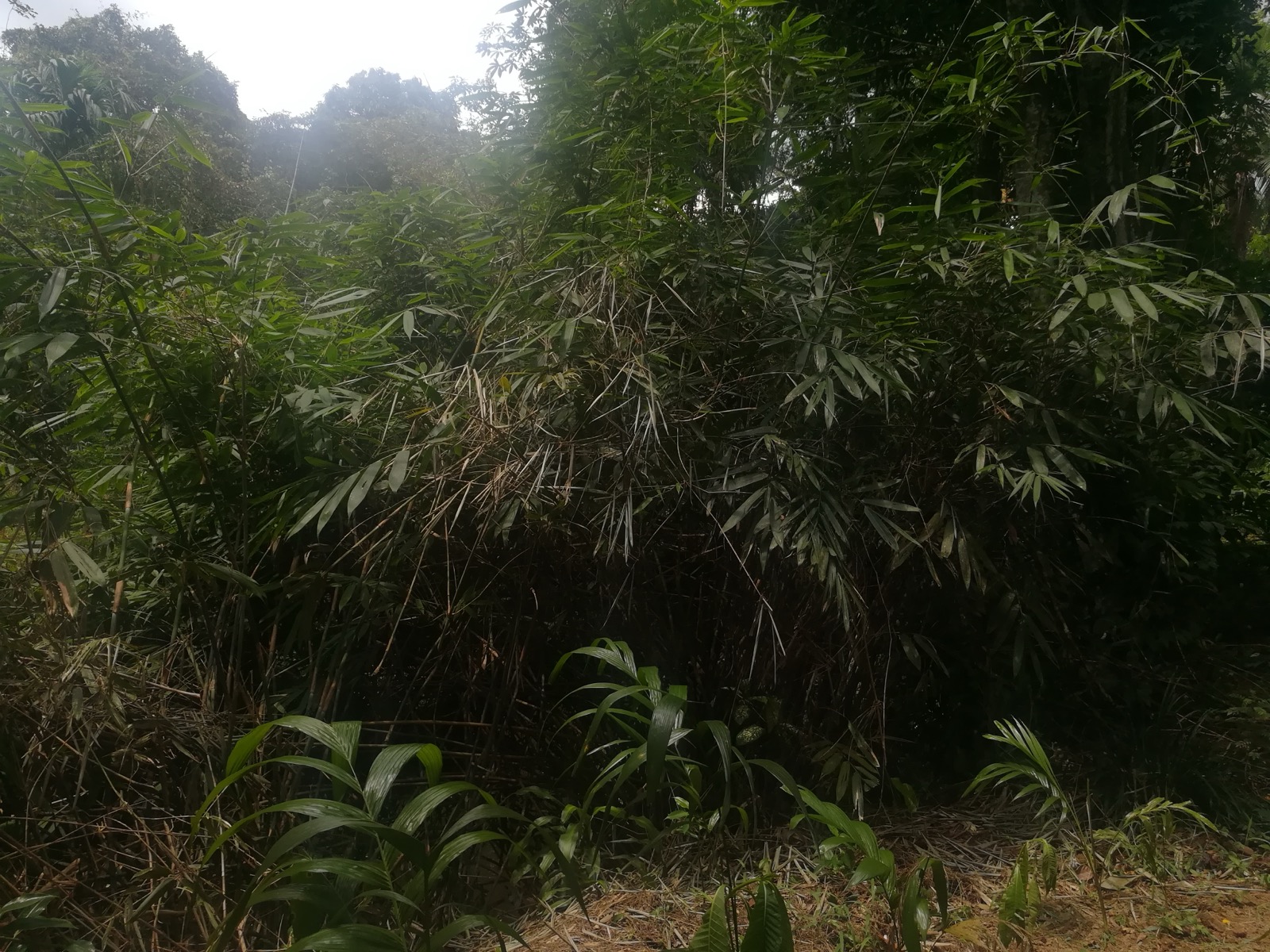
Image credit
Objectives
- Restore 10,000 hectares of mangroves by 2030
- Shift from tree-planting to science-based natural regeneration
- Strengthen coastal resilience against erosion and storm surge
- Support coastal livelihoods through jobs and household income
Approach
- Progress is tracked through the UN Decade's Framework for Ecosystem Restoration Monitoring (FERM) platform, prioritising ecological success metrics of natural regeneration.
- Because the initiative is a restoration flagship rather than a carbon-credit scheme, there is no project-level carbon-MRV protocol.
Sources
Inspect 2 sources
- srilanka.un.org ↗https://srilanka.un.org/en/260839-sri-lankan-initiative-expand-its-mangrove-forests-over-50-cent-recognized-one-seven-un-world
- decadeonrestoration.org ↗https://www.decadeonrestoration.org/sri-lankan-initiative-expand-its-mangrove-forests-over-50-cent-recognized-one-seven-un-world
Explore related climate work
Find other projects and tools for monitoring, restoration and climate adaptation.
Browse projectsBrowse tools