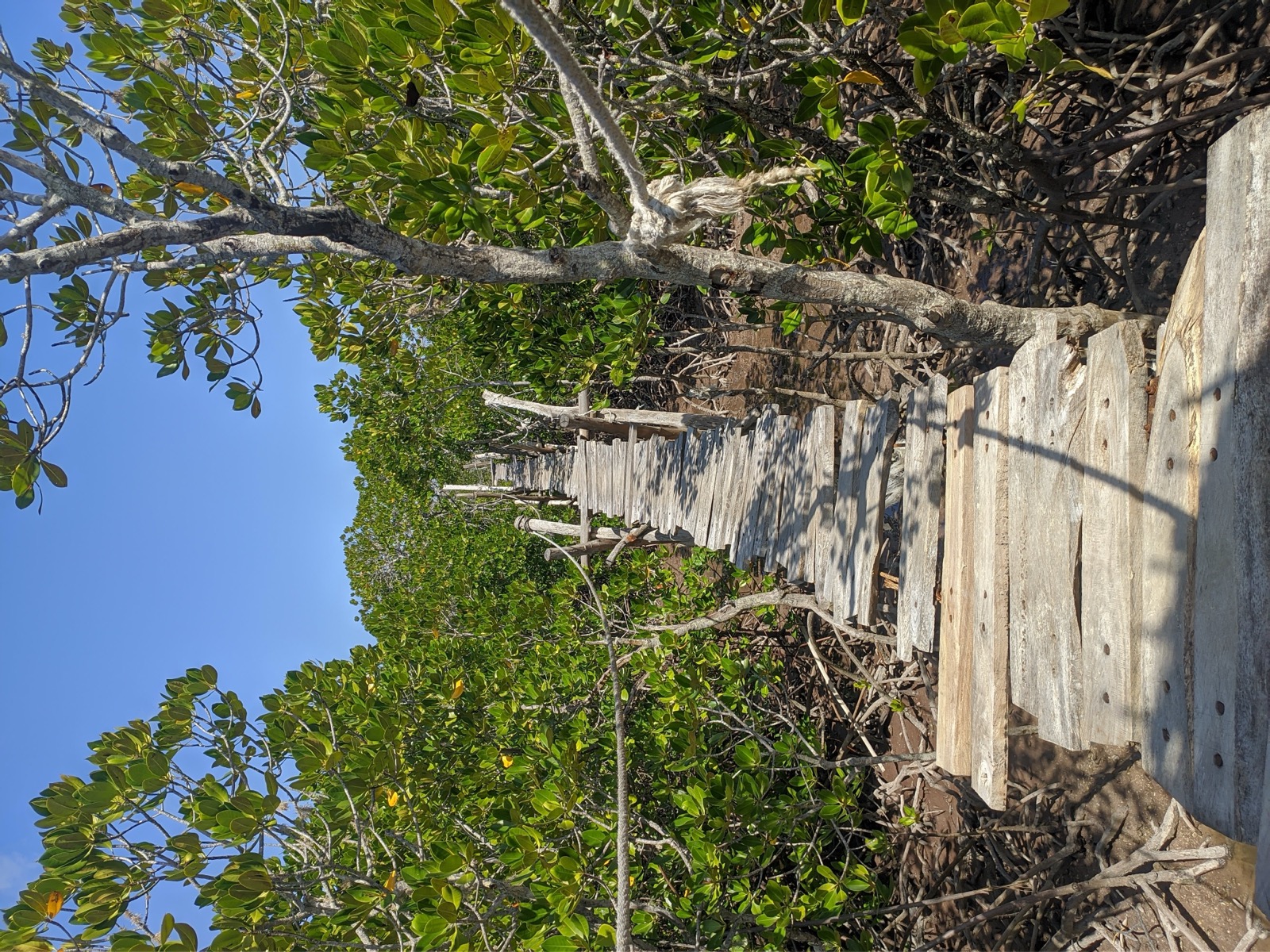
Mikoko Pamoja
Mikoko Pamoja, in Kenya's Gazi Bay, is the world's first community-led mangrove blue carbon project. Since 2013 it has protected and restored about 117 hectares of mangrove forest, selling roughly 3,000 tonnes of CO2 equivalent a year through the Plan Vivo standard. Carbon revenue, with at least 60% returned to the villages of Gazi and Makongeni, funds water, education and conservation.
Image credit
Inside the project
Run by a community-based organisation and a community-elected committee, Mikoko Pamoja channels carbon finance into both forest protection and village development. The Kenya Marine and Fisheries Research Institute (KMFRI) provides the carbon science, while the Scotland-registered charity ACES handles international fund transfer and Plan Vivo reporting.
Over its first decade the project's mangrove biomass roughly doubled and more than 22,000 tonnes of CO2 have been captured. Its model, small-scale, genuinely community-owned and science-backed, has become the template for replication elsewhere on the East African coast and beyond.
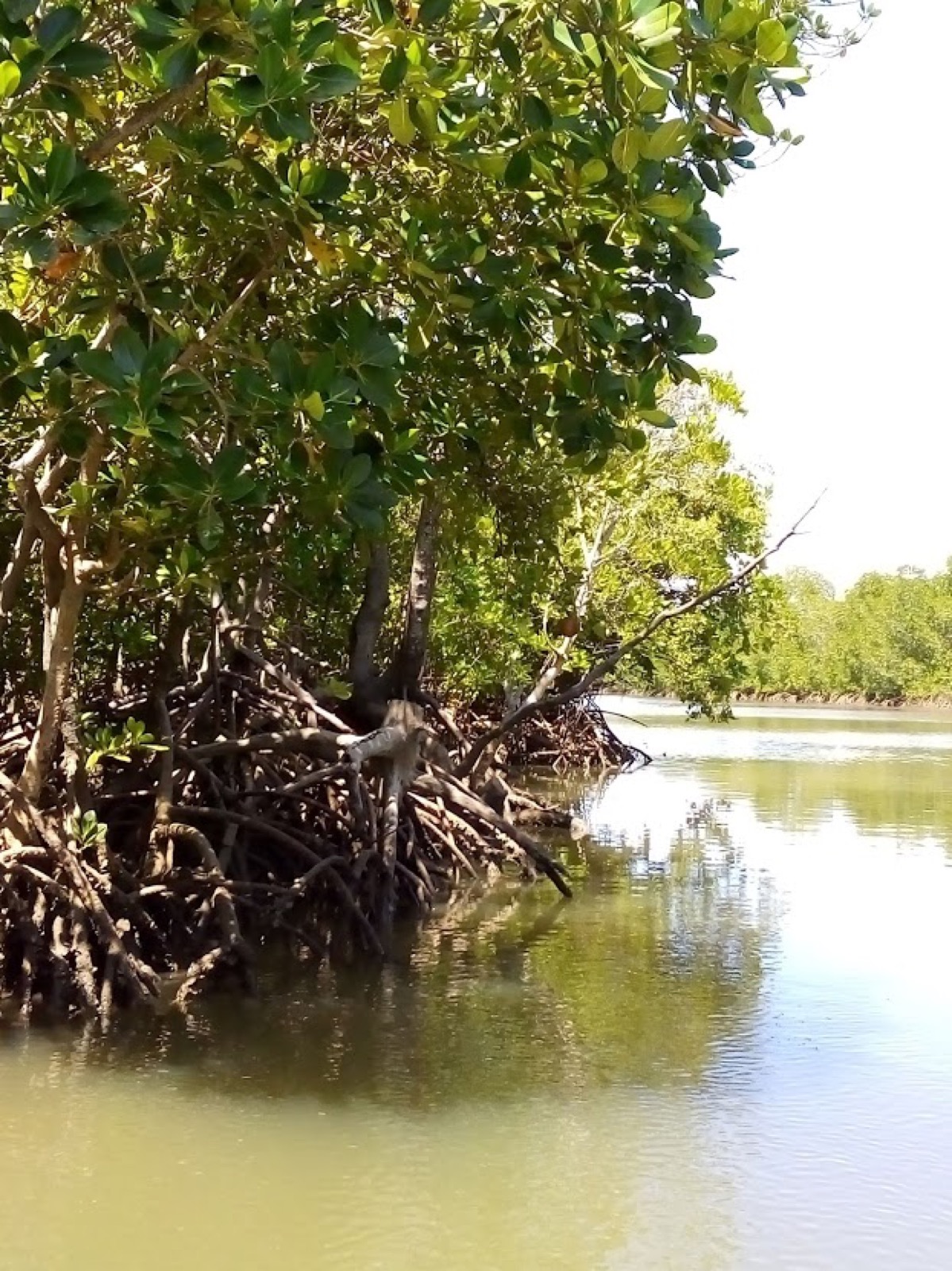
Image credit
Objectives
- Protect and restore ~117 ha of Gazi Bay mangrove
- Sell ~3,000 tCO2e a year under Plan Vivo
- Return at least 60% of carbon income to the community
- Fund water, education and conservation in Gazi and Makongeni
- Prove the community blue-carbon model for replication
Approach
- Site-specific field data are collected each year by the community with technical input from KMFRI, covering biomass and carbon-stock plots and forest condition.
- The project is certified to the Plan Vivo PV Climate standard with independent third-party verification assessments on a five-yearly cycle.
Sources
Inspect 3 sources
- planvivo.org ↗https://www.planvivo.org/mikoko-pamoja
- aces-org.co.uk ↗https://aces-org.co.uk/projects/mikoko-pamoja
- news.gefblueforests.org ↗https://news.gefblueforests.org/upscaling-mikoko-pamoja-a-small-scale-mangrove-carbon-offset-project-in-kenya
Explore related climate work
Find other projects and tools for monitoring, restoration and climate adaptation.
Browse projectsBrowse tools