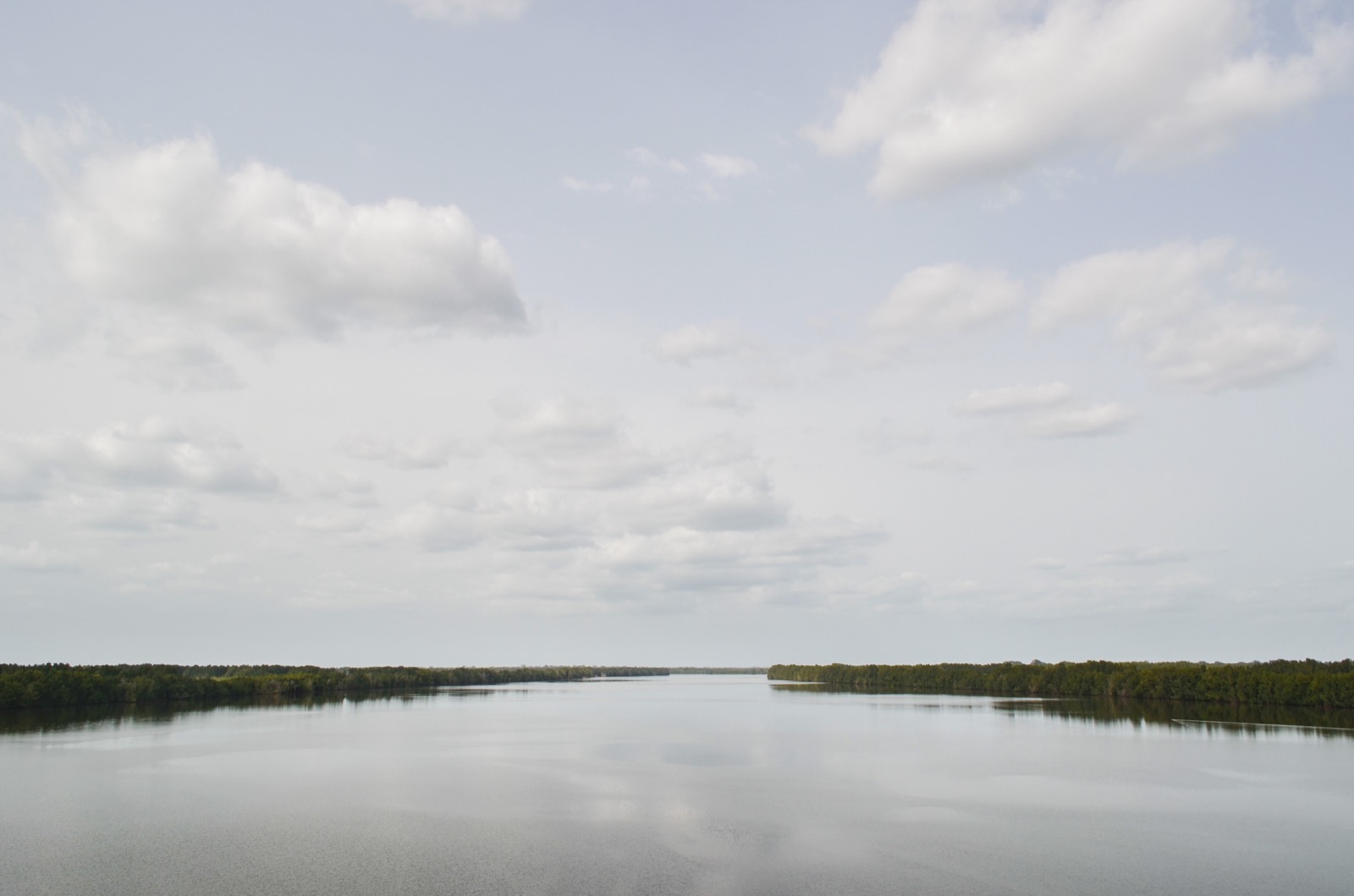
Guinea-Bissau Mangrove Restoration
IUCN's GEF-funded Restoration Initiative and Wetlands International are restoring degraded mangroves and abandoned tidal rice fields around Cacheu and Cantanhez National Parks. They use Community-Based Ecological Mangrove Restoration, which removes barriers to natural regeneration rather than relying on mass planting. By 2024 the programmes report thousands of hectares regenerated and the passage of a National Mangrove Law.
Image credit
Inside the project
Work pairs hydrological restoration, breaching dikes and digging creeks to readmit tides, with rehabilitation of abandoned rice fields and women-led livelihoods such as horticulture, solar salt and oyster farming.
Wetlands International reports around 2,600 hectares naturally regenerated across Cantanhez and Cacheu, and 96,000 hectares of improved conservation status in Cacheu, as of 2024.
IUCN's TRI child project reports 464 hectares restored and 11,657 direct beneficiaries, while the country launched a Global Mangrove Alliance national chapter in September 2024.
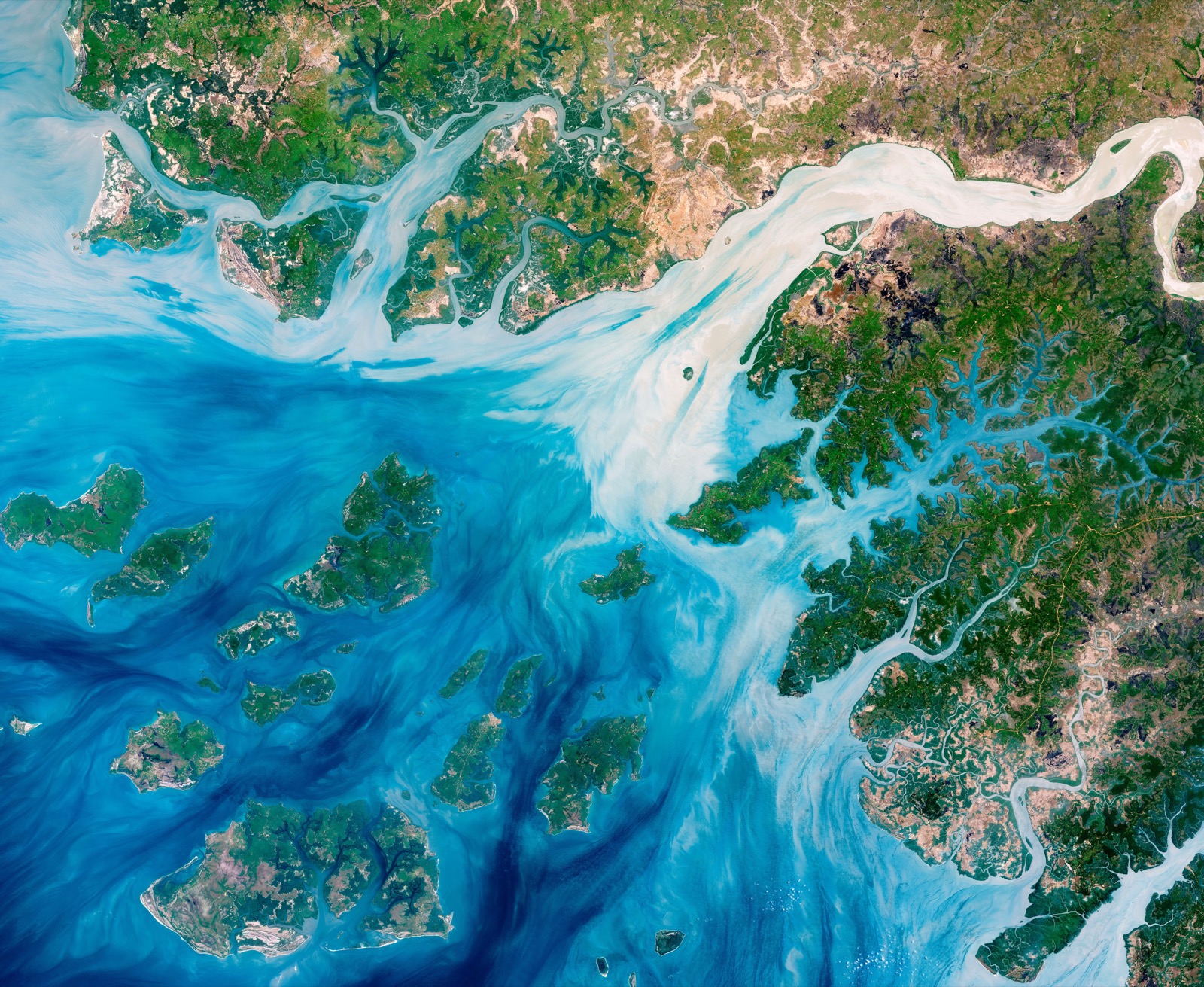
Image credit
Objectives
- Restore degraded mangroves via natural regeneration by reopening tidal flows
- Rehabilitate abandoned and degraded rice fields for food security
- Build community livelihoods and women's empowerment
- Strengthen national policy through the Mangrove Law and restoration strategy
Approach
- Community-Based Ecological Mangrove Restoration starts with site assessment of hydrology, salinity and soil acidity, then restores tidal flows and plants only where natural regeneration fails.
- Remote-sensing tracking via Global Mangrove Watch supports a dedicated monitoring and evaluation programme; there is no certified carbon MRV.
Sources
Inspect 3 sources
- iucn.org ↗https://iucn.org/our-work/topic/ecosystem-restoration/restoration-initiative/projects/guinea-bissau
- wetlands.org ↗https://www.wetlands.org/case-study/to-plant-or-not-to-plant-guinea-bissau/
- news.mongabay.com ↗https://news.mongabay.com/2024/11/how-a-holistic-approach-aims-to-heal-mangroves-in-guinea-bissau/
Explore related climate work
Find other projects and tools for monitoring, restoration and climate adaptation.
Browse projectsBrowse tools